
Ear wax removal is something most people think about only when their ears feel blocked, uncomfortable, or their hearing suddenly seems muffled. While it may seem like a minor issue, understanding how ear wax works—and how to remove it safely—is essential for maintaining good ear health.
Many people immediately reach for cotton swabs, believing they’re cleaning their ears. Unfortunately, this often pushes wax deeper into the ear canal, creating more problems than it solves. Safe ear wax management requires knowing when to leave it alone, when to try home remedies, and when to seek professional help.
In this guide, we’ll cover everything you need to know about ear wax removal, from why ear wax is important to the safest removal techniques available today. Whether you’re dealing with occasional buildup or recurring blockages, this expert guide will help you care for your ears properly.
What Is Ear Wax and Why Do We Have It?
Ear wax, medically known as cerumen, is a natural substance produced by glands in the ear canal. Although many people think of it as something dirty that needs to be removed, ear wax actually serves several important protective functions.
First, ear wax acts as a natural barrier against dust, dirt, bacteria, and other harmful particles. It traps these unwanted materials before they can reach the sensitive inner parts of the ear. In many ways, ear wax functions like the ear’s built-in cleaning system.
Second, ear wax helps keep the ear canal moisturized. Without enough wax, the skin inside the ear can become dry, itchy, and irritated. This can lead to discomfort and even increase the risk of infection.
Finally, ear wax usually moves out of the ear naturally. Everyday actions like chewing and talking help push old wax toward the outer ear, where it can simply be wiped away. Most people never need deep ear wax removal unless this natural process is disrupted.
Signs You May Need Ear Wax Removal
Not all ear wax buildup requires treatment, but certain symptoms can indicate that wax has become impacted and needs attention. Recognizing these signs early can help prevent further complications.
One of the most common symptoms is muffled hearing. When ear wax blocks the ear canal, sound waves cannot travel properly, making everything seem quieter or distorted. Some people describe it as feeling like their ear is plugged with water.
Another common sign is ear discomfort or pressure. Impacted wax can create a sensation of fullness in the ear, sometimes accompanied by mild pain. This pressure may become more noticeable when lying down or after showering.
Other symptoms can include ringing in the ears (tinnitus), dizziness, itching, or even coughing. In some cases, excessive wax buildup may also cause an unpleasant odor or discharge. If these symptoms persist, proper ear wax removal may be necessary.
Common Causes of Excess Ear Wax Buildup
Some people naturally produce more ear wax than others, but several lifestyle habits and conditions can increase the risk of buildup.
Using cotton swabs is one of the biggest contributors. While they may seem helpful, they often push wax deeper into the ear canal, where it becomes compacted and harder to remove.
Frequent use of earbuds, hearing aids, or earplugs can also interfere with the ear’s natural self-cleaning process. These devices may trap wax inside the ear and prevent it from moving outward.
Certain individuals are more prone to buildup due to narrow ear canals, excessive hair in the ears, or skin conditions like eczema. Aging can also play a role, as ear wax tends to become drier and harder over time, making it more difficult to exit naturally.
Safe At-Home Ear Wax Removal Methods
For mild wax buildup, several safe home treatments can help soften and remove ear wax without causing damage.
Ear Drops
Over-the-counter ear drops are one of the easiest and safest solutions. These drops often contain ingredients like hydrogen peroxide, carbamide peroxide, saline, or mineral oil that soften hardened wax.
To use them, tilt your head and place the recommended number of drops into the affected ear. Allow the solution to sit for several minutes before draining it out. Repeat as directed for a few days if necessary.
Ear drops are usually effective for minor blockages, but they should not be used if you have a perforated eardrum or active ear infection.
Warm Water Irrigation
Ear irrigation involves gently flushing the ear canal with warm water. This can help loosen and remove softened wax.
Using a rubber bulb syringe, carefully squirt warm—not hot—water into the ear while tilting your head. Let the water drain out and gently dry the outer ear afterward.
It’s important to be gentle. High-pressure irrigation can damage the eardrum or irritate the ear canal.
Natural Oils
Natural oils like olive oil, baby oil, or mineral oil can soften stubborn wax effectively.
Apply a few drops into the ear once or twice daily for several days. This helps lubricate the wax, making it easier for the body to remove naturally.
Many people prefer this gentle option, especially if their ears feel dry or irritated.
Ear Wax Removal Methods to Avoid
While many DIY solutions circulate online, some methods can be dangerous and should be avoided completely.
Cotton swabs are perhaps the most common mistake. Rather than removing wax, they often push it deeper, increasing the risk of impaction or injury.
Ear candling is another popular but unsafe practice. This involves placing a hollow candle in the ear and lighting it, supposedly to draw out wax. Medical studies have shown that ear candling is ineffective and can cause burns, wax candle residue, and serious ear damage.
Sharp objects like hairpins, tweezers, or keys should never be inserted into the ear. These can scratch the ear canal, puncture the eardrum, or cause infection.
The general rule is simple: never put anything smaller than your elbow into your ear.
Professional Ear Wax Removal Options
If home treatments fail or symptoms worsen, professional ear wax removal is the safest option.
Microsuction
Microsuction is considered one of the safest and most effective methods. A trained healthcare professional uses a small suction device to gently remove wax while viewing the ear canal with magnification.
This procedure is quick, precise, and generally painless. It’s especially useful for people with sensitive ears or previous ear problems.
Manual Removal
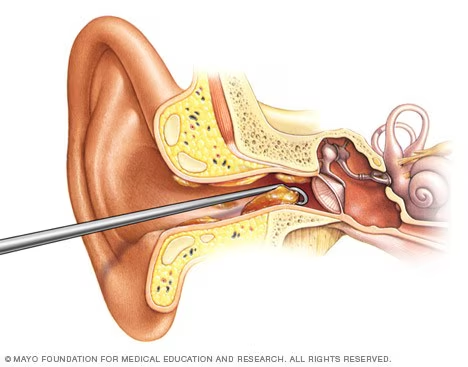
Doctors may also use specialized tools such as curettes or forceps to manually remove wax. This method allows direct control and is often used when wax is visible near the outer canal.
Because it requires skill and proper equipment, manual removal should only be performed by qualified professionals.
Clinical Ear Irrigation
Professional irrigation uses controlled water pressure to flush out wax safely. Clinics can perform this more effectively than home kits and can monitor for complications during the process.
How to Prevent Excess Ear Wax Buildup
Preventing wax buildup is often easier than removing impacted wax.
Avoid inserting cotton swabs or other objects into your ears. Let your ears clean themselves naturally whenever possible.
If you use earbuds or hearing aids daily, clean them regularly to reduce wax accumulation and irritation.
People prone to buildup may benefit from occasional preventive use of ear-softening drops, especially after consulting a healthcare provider.
Routine ear checkups can also help identify problems before they become uncomfortable.
When to See a Doctor
While mild ear wax issues can often be managed at home, certain situations require medical attention.
Seek professional care if you experience severe ear pain, sudden hearing loss, dizziness, bleeding, or signs of infection such as swelling or discharge.
People with diabetes, weakened immune systems, or previous ear surgery should consult a doctor before attempting ear wax removal at home.
Children should also be evaluated by a healthcare professional if ear wax appears to be causing discomfort or hearing problems.
Final Thoughts on Ear Wax Removal
Ear wax may seem inconvenient, but it plays a crucial role in protecting and maintaining healthy ears. In most cases, the body handles ear wax naturally without any need for intervention.
When buildup occurs, safe ear wax removal methods such as ear drops, gentle irrigation, or natural oils can often solve the problem effectively. Avoid risky DIY techniques like cotton swabs or ear candling, which can worsen the situation.
If symptoms persist or become severe, professional ear wax removal provides a safe and reliable solution. By understanding how ear wax works and caring for your ears properly, you can protect your hearing and avoid unnecessary discomfort for years to come.