
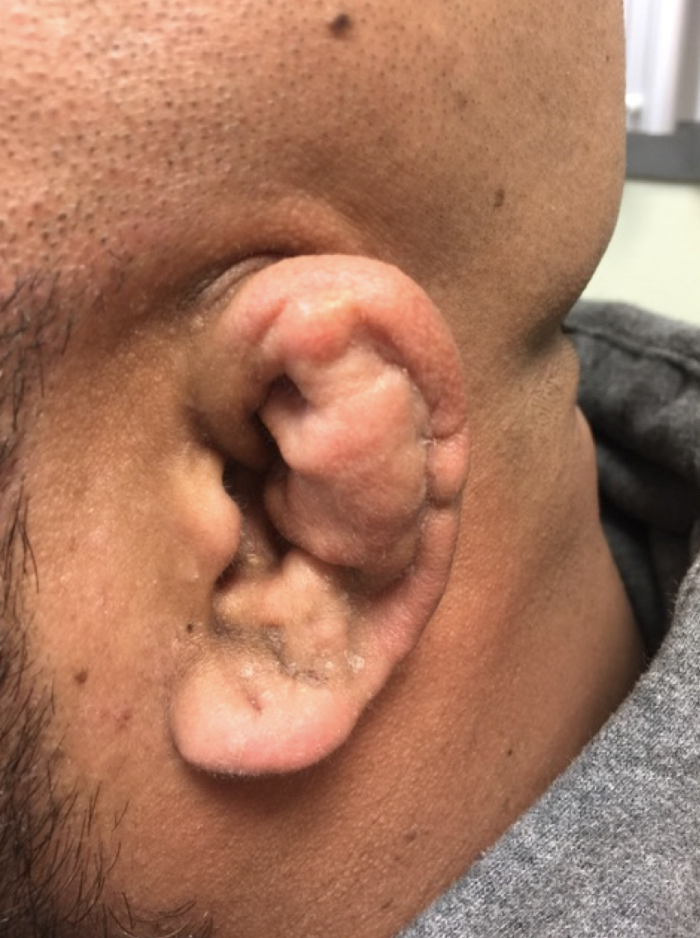
Cauliflower ear is a condition that many people recognize instantly, especially in athletes involved in contact sports like wrestling, boxing, and martial arts. The swollen, irregular appearance of the outer ear can seem alarming, but for many, it tells a story of repeated physical competition and resilience. Despite its common association with sports, cauliflower ear is more than just a cosmetic issue—it can lead to discomfort, permanent deformity, and even hearing complications if not treated properly.
Although the name sounds unusual, cauliflower ear describes a very specific medical condition caused by trauma to the ear. When the outer ear experiences repeated impact or injury, blood and fluid can collect between the cartilage and the skin. If untreated, the ear can harden into a thickened, wrinkled shape that resembles a cauliflower, which is how the condition got its name.
In this guide, we’ll explore everything you need to know about cauliflower ear—from how it develops to treatment options, recovery, and prevention. Whether you’re an athlete, a coach, or simply curious, this expert overview will help you understand this condition in detail.
What Is Cauliflower Ear?
Cauliflower ear is a deformity of the outer ear (also called the pinna or auricle) caused by blunt trauma or repeated friction. It occurs when the blood supply to the ear cartilage is interrupted, usually due to a hematoma (a collection of blood) forming beneath the skin.
The ear’s structure is primarily made of cartilage, which gives it shape and flexibility. Unlike many other body tissues, cartilage depends on the surrounding skin and blood vessels for nutrients. When trauma causes blood to pool between the cartilage and skin, the cartilage can be deprived of oxygen and nutrients. Without prompt treatment, scar tissue begins to form, leading to the ear’s thickened and distorted appearance.
This condition is often permanent if not addressed early. While some people wear cauliflower ear as a badge of honor in competitive sports, others seek treatment to avoid long-term cosmetic changes and potential complications.
What Causes Cauliflower Ear?
The primary cause of cauliflower ear is direct trauma to the ear. Repeated impact, pressure, or friction can damage blood vessels, causing internal bleeding and fluid buildup.
Contact sports are the most common contributors. Wrestlers are particularly prone to developing cauliflower ear because of the constant ear-to-ear friction and pressure during grappling. Boxers, mixed martial artists, rugby players, and martial artists are also at high risk.
However, sports aren’t the only cause. Accidents, physical altercations, falls, or even ear piercings gone wrong can result in trauma severe enough to trigger the condition. Any event that causes the ear to swell significantly should be taken seriously.
Sometimes, even a single strong blow to the ear can be enough to create an auricular hematoma. The risk increases when individuals ignore swelling or fail to seek prompt medical care.
Early Symptoms and Warning Signs
One of the most important things to understand about cauliflower ear is that it doesn’t happen instantly. The initial stage usually involves an auricular hematoma, which can often be treated successfully if caught early.
The first symptom is typically swelling of the outer ear. The ear may feel tender, warm, and visibly puffed up. Pain can range from mild discomfort to significant throbbing, depending on the severity of the injury.
Bruising and redness are also common. In some cases, the ear may feel soft and squishy because of fluid trapped beneath the skin. This stage is critical because immediate treatment can prevent permanent damage.
As time passes without treatment, the swelling begins to harden. Scar tissue forms, and the ear gradually develops its characteristic lumpy, wrinkled appearance. At this stage, correction becomes much more difficult and may require surgery.
How Is Cauliflower Ear Diagnosed?
Diagnosis is usually straightforward and can often be made through a simple physical examination by a healthcare professional.
Doctors will inspect the ear for swelling, deformity, tenderness, and signs of infection. They may ask about recent injuries, sports participation, or any history of trauma.
In most cases, imaging tests such as ultrasound or CT scans are not necessary unless there is concern about deeper injury or complications involving nearby structures.
Prompt diagnosis is essential because the earliest stage offers the best opportunity for successful treatment. Waiting too long can allow the cartilage to become permanently damaged.
Treatment Options for Cauliflower Ear
Treatment depends heavily on how quickly medical attention is sought after the injury.
Immediate Drainage
If an auricular hematoma is caught early, a doctor can drain the accumulated blood using a needle or a small incision. This relieves pressure on the cartilage and restores proper blood flow.
After drainage, compression dressings are usually applied to prevent fluid from reaccumulating. Patients may need follow-up visits to ensure healing progresses correctly.
This early intervention is often the most effective way to prevent permanent deformity.
Medications and Infection Prevention
Doctors may prescribe antibiotics if there’s a risk of infection, especially after drainage procedures. Pain relievers and anti-inflammatory medications can also help reduce discomfort and swelling.
Keeping the area clean and protected is essential during recovery. Any signs of redness, increased pain, or discharge should be evaluated immediately.
Surgical Correction
For long-standing cauliflower ear, reconstructive surgery may be necessary. Plastic or ENT surgeons can remove scar tissue and reshape the ear to improve appearance and function.
Surgical correction can be effective, but results vary depending on the extent of cartilage damage. Recovery may require weeks of healing and careful follow-up.
Can Cauliflower Ear Heal on Its Own?
Unfortunately, cauliflower ear rarely resolves naturally once the deformity begins to form.
While the initial swelling may decrease over time, untreated blood collections can harden into permanent scar tissue. Once this happens, the ear’s original shape usually cannot be restored without surgery.
Some individuals ignore early symptoms because the pain subsides quickly, assuming the issue has healed. However, internal damage may continue even when discomfort fades.
Seeking immediate treatment greatly increases the chances of full recovery and normal ear appearance.
Possible Complications of Untreated Cauliflower Ear
Many people think cauliflower ear is purely cosmetic, but it can lead to medical complications as well.
Permanent ear deformity is the most obvious outcome. The thickened tissue can distort the ear’s natural anatomy and make it difficult to wear earbuds, hearing aids, or helmets comfortably.
In severe cases, narrowing of the ear canal can occur, which may affect hearing. Trapped moisture and debris can increase the risk of recurrent ear infections.
Some people also experience chronic pain or tenderness, especially when pressure is applied to the affected ear.
How to Prevent Cauliflower Ear
Prevention is much easier than treatment, especially for athletes involved in high-risk sports.
Wearing protective headgear is one of the most effective strategies. Wrestlers and martial artists should use properly fitted ear guards during training and competition.
Prompt attention to any ear swelling is equally important. Even minor trauma should be evaluated if swelling develops.
Coaches and athletic trainers should educate athletes about recognizing early symptoms and seeking immediate medical care.
Maintaining awareness and acting quickly can prevent lifelong deformity.
Living with Cauliflower Ear
Some individuals choose not to treat cauliflower ear, especially in combat sports where it is sometimes viewed as a symbol of dedication and experience.
For many athletes, the appearance becomes part of their identity. However, understanding the risks allows for an informed decision.
If the ear is painless and hearing is unaffected, no treatment may be necessary. Still, regular monitoring is wise to ensure no complications arise over time.
Those who feel self-conscious about the appearance can explore reconstructive options with a specialist.
Final Thoughts
Cauliflower ear may be common in contact sports, but it should never be ignored. What begins as simple ear swelling can quickly develop into a permanent deformity if left untreated.
The good news is that early intervention can often prevent long-term damage. Recognizing symptoms, seeking prompt medical care, and using protective equipment can make all the difference.
Whether you’re an athlete trying to protect your health or someone curious about this unusual condition, understanding cauliflower ear is the first step toward prevention and proper care. Taking ear injuries seriously today can help preserve both appearance and function for years to come.