
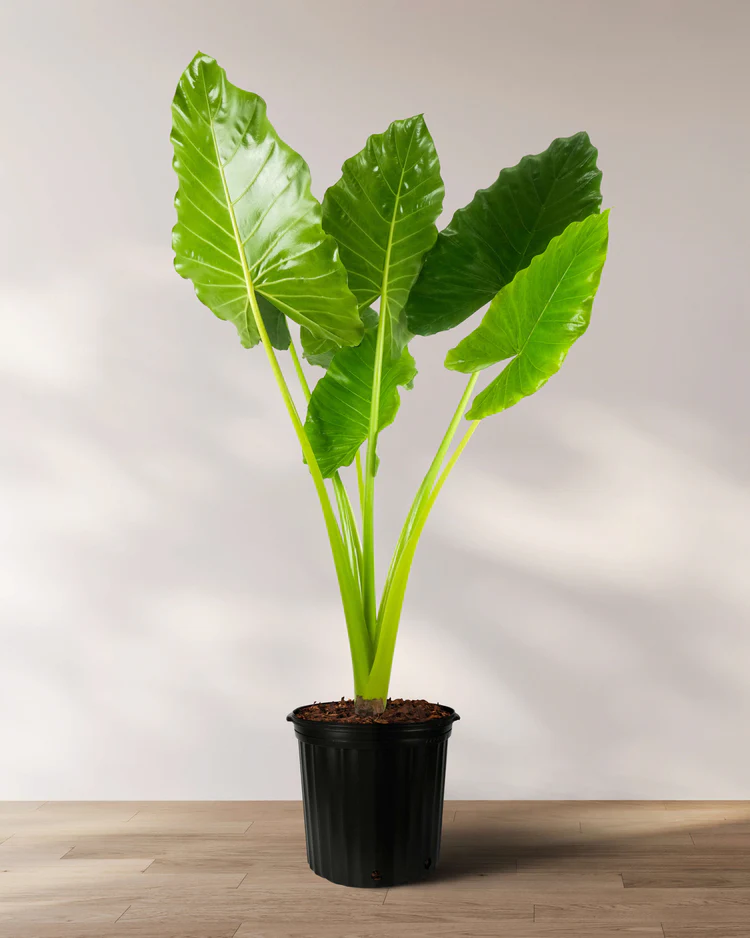
The elephant ear plant is one of the most eye-catching foliage plants you can add to your garden or indoor plant collection. Known for its oversized, dramatic leaves that resemble the shape of an elephant’s ear, this tropical beauty instantly transforms any space into a lush, exotic paradise. Whether planted outdoors in a shaded garden bed or displayed indoors as a statement houseplant, elephant ear plants are beloved for their bold appearance and surprisingly manageable care needs.
Gardeners and plant lovers are often drawn to elephant ear plants because they create a tropical atmosphere with minimal effort. Their massive leaves, rich green colors, and fast-growing nature make them ideal for both beginners and experienced plant enthusiasts. With the right environment and proper maintenance, these plants can thrive and become the centerpiece of your indoor or outdoor décor.
In this comprehensive guide, we’ll explore everything you need to know about elephant ear plants—from types and varieties to care instructions, propagation methods, common problems, and styling tips. If you’re considering adding this stunning plant to your collection, this expert guide will help you grow it successfully.
What Is an Elephant Ear Plant?
The term elephant ear plant refers to several tropical plant species known for their large, heart-shaped leaves. Most elephant ear plants belong to the genera Colocasia, Alocasia, and Xanthosoma, each offering unique leaf patterns, colors, and growth habits.
These plants are native to tropical and subtropical regions of Asia, South America, and Africa. In their natural environments, they thrive in warm, humid conditions with rich, moist soil. Because of their tropical origins, they flourish in climates that mimic these conditions, although they can also adapt well as indoor plants when given proper care.
One of the biggest attractions of elephant ear plants is their dramatic visual impact. Some varieties can grow leaves over three feet long, creating an impressive focal point in gardens, patios, or living rooms. Their oversized foliage adds texture and elegance, making them popular in both modern and traditional landscape designs.
Popular Types of Elephant Ear Plants
Not all elephant ear plants look exactly alike. Different species and cultivars offer diverse leaf shapes, colors, and sizes.
Colocasia (Taro)
Colocasia varieties are among the most common elephant ear plants. Their leaves usually point downward, and they love consistently moist soil. Colocasia esculenta, also known as taro, is widely grown both ornamentally and as an edible crop in many parts of the world.
Popular cultivars include Black Magic, known for its striking dark purple foliage, and Mojito, which features green leaves splashed with black markings. These plants thrive in partial shade and can tolerate wetter conditions than many other tropical plants.
Because of their love for water, colocasias are often planted near ponds or in rain gardens where their roots can stay consistently damp.
Alocasia
Alocasia plants are prized for their upright leaves and bold vein patterns. Their foliage often looks more sculptural and dramatic compared to Colocasia varieties.
Popular options include Alocasia Polly, which has dark green leaves with white veins, and Alocasia Zebrina, famous for its zebra-striped stems. These plants are often grown indoors because of their compact size and decorative appeal.
Unlike colocasias, alocasias prefer moist but well-draining soil and can be more sensitive to overwatering.
Xanthosoma
Xanthosoma species are less commonly discussed but equally beautiful. They typically have softer, velvety leaves and grow vigorously in warm climates.
These plants are excellent choices for tropical gardens where humidity levels remain consistently high. Their unique textures add depth and visual interest to mixed plant arrangements.
How to Care for an Elephant Ear Plant
Proper elephant ear plant care is essential for maintaining lush, healthy foliage and vigorous growth.
Light Requirements
Elephant ear plants generally prefer bright, indirect light or partial shade. Outdoor plants often thrive in filtered sunlight, especially in hot climates where direct afternoon sun can scorch their leaves.
Indoor plants should be placed near a bright window where they can receive plenty of indirect sunlight. East-facing windows are often ideal because they provide gentle morning light without harsh midday heat.
If your elephant ear plant begins stretching or producing smaller leaves, it may not be receiving enough light.
Watering Needs
These plants love moisture, but watering needs vary depending on the species.
Colocasia varieties prefer consistently moist or even wet soil. They can tolerate standing water for short periods, making them ideal for water gardens.
Alocasia plants, however, prefer soil that remains lightly moist but never soggy. Overwatering can quickly lead to root rot, especially in indoor containers with poor drainage.
Regularly checking the soil is the best way to determine watering needs. If the top inch feels dry, it’s usually time to water.
Humidity and Temperature
As tropical plants, elephant ears thrive in warm, humid conditions. Ideal temperatures range between 65°F and 85°F.
Low humidity can cause leaf edges to brown or curl, especially indoors. To boost humidity, you can use a humidifier, place the plant on a pebble tray, or group it with other tropical plants.
Cold drafts and sudden temperature drops should be avoided, as they can stress the plant and slow growth.
Best Soil and Fertilizer for Elephant Ear Plants
Choosing the right soil can make a major difference in your plant’s health.
Elephant ear plants prefer rich, organic soil that retains moisture while still allowing proper drainage. A high-quality potting mix amended with compost and peat moss works well for container-grown plants.
For fertilization, these plants are heavy feeders during the growing season. A balanced liquid fertilizer applied every two to four weeks encourages vigorous leaf production and vibrant color.
Organic options such as worm castings or slow-release granular fertilizers can also provide consistent nutrients over time.
Reducing fertilization during fall and winter allows the plant to rest naturally.
How to Propagate Elephant Ear Plants
Propagation is one of the easiest ways to expand your elephant ear collection.
The most common method is division. Elephant ear plants grow from underground bulbs or rhizomes that naturally produce offsets.
To propagate, gently dig up the plant and separate the smaller bulbs or rhizomes from the parent plant. Each division should have healthy roots attached.
Replant the divisions in fresh soil and keep them warm and moist until new growth appears. This process is best done in spring when active growth begins.
With proper care, new plants establish quickly and often begin producing leaves within a few weeks.
Common Problems and Solutions
Even though elephant ear plants are relatively easy to care for, they can encounter occasional issues.
Yellow Leaves
Yellowing leaves often indicate overwatering, poor drainage, or nutrient deficiencies.
Checking the soil moisture and adjusting watering habits can usually resolve the problem. If roots appear mushy, repotting may be necessary.
Older leaves naturally yellow and die off as the plant grows, which is completely normal.
Brown Leaf Edges
Brown edges are commonly caused by low humidity, underwatering, or excessive direct sunlight.
Increasing humidity and ensuring consistent watering can help restore healthier foliage.
Moving indoor plants away from heating vents can also reduce leaf damage.
Pests
Spider mites, aphids, and mealybugs sometimes attack elephant ear plants, especially indoors.
Regularly inspecting leaves and wiping them down can help prevent infestations. Neem oil or insecticidal soap works well for treating minor pest problems.
Healthy plants are generally more resistant to pest attacks.
Indoor vs. Outdoor Elephant Ear Plants
Elephant ear plants perform beautifully in both settings, but each environment requires slightly different care.
Outdoor elephant ear plants can grow much larger due to abundant space and natural humidity. They make stunning focal points in tropical-themed landscapes, patio containers, or pond borders.
Indoor plants tend to stay smaller but can still become impressive statement pieces. Decorative pots and bright indoor locations help showcase their dramatic leaves.
In colder climates, outdoor plants can be dug up before winter, and the bulbs can be stored indoors until spring returns.
Why Elephant Ear Plants Are Worth Growing
Few plants offer the dramatic beauty and tropical elegance of the elephant ear plant. Their oversized leaves create instant visual impact, while their relatively simple care requirements make them accessible even for novice gardeners.
Whether you choose a dark-leaved Colocasia, a patterned Alocasia, or a rare Xanthosoma variety, these plants bring personality and lush greenery to any space.
With proper watering, humidity, and occasional feeding, elephant ear plants reward growers with spectacular foliage year after year.
If you’re looking for a bold, exotic plant that turns heads and transforms ordinary spaces into tropical retreats, the elephant ear plant is an exceptional choice.