
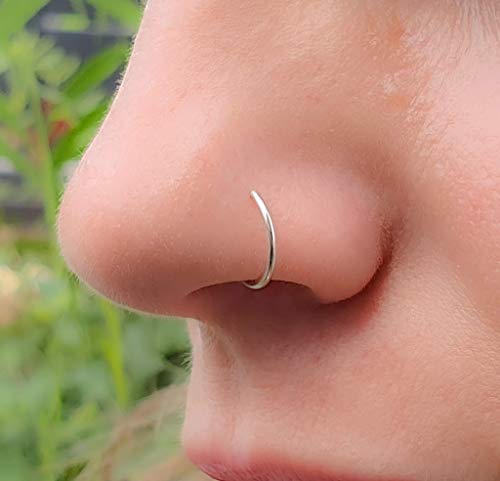
Nose piercing is one of the most popular and timeless forms of body modification. Whether you’re looking for a subtle stud, a bold hoop, or simply exploring your options, a nose piercing can be a beautiful way to express your personality and style. Over the years, nose piercings have become more mainstream, blending cultural significance with modern fashion trends.
For many people, getting a nose piercing is an exciting experience, but it also comes with important decisions. Choosing the right piercing type, understanding the healing process, and knowing how to care for it properly can make a huge difference in your overall experience. A well-informed decision helps prevent complications and ensures your piercing heals beautifully.
In this complete guide, we’ll cover everything you need to know about nose piercing—from different styles and pain levels to aftercare tips and common mistakes to avoid. If you’re considering getting your nose pierced or already have one, this article will provide expert insights to help you make the most of it.
What Is a Nose Piercing?
A nose piercing is a type of body piercing that involves creating a small opening in the nose to insert jewelry. It can be done in various locations, including the nostril, septum, bridge, or high nostril, depending on personal preference and anatomy. Nose piercings have been practiced for centuries and hold deep cultural and symbolic meanings in many parts of the world.
Historically, nose piercings have roots in South Asian, Middle Eastern, and Indigenous cultures. In some traditions, they symbolize beauty, maturity, or marital status. Today, however, they are commonly chosen for aesthetic reasons and have become a staple in fashion and self-expression worldwide.
Modern nose piercings are typically performed using sterile needles by professional piercers. Unlike ear piercings, nose piercings require extra care because the nose contains cartilage and sensitive tissue that may take longer to heal.
Different Types of Nose Piercing
Nostril Piercing
The nostril piercing is the most common and widely recognized type of nose piercing. It is usually placed on either the left or right side of the nose and can accommodate a variety of jewelry, including studs, rings, and screws.
This style is ideal for beginners because it is relatively simple and versatile. You can easily switch between subtle and bold jewelry once the piercing has fully healed.
Healing typically takes between 4 to 6 months, although some people may experience longer healing times depending on their aftercare routine and skin sensitivity.
Septum Piercing
A septum piercing goes through the thin strip of tissue between the nostrils, often called the “sweet spot.” It has become increasingly popular due to its edgy appearance and ability to be hidden with certain jewelry.
One major advantage of septum piercings is that they often heal faster than nostril piercings because they avoid thick cartilage.
Many people choose horseshoe rings or circular barbells for this type of piercing, allowing flexibility in style and visibility.
Bridge Piercing
A bridge piercing is located horizontally across the upper part of the nose, between the eyes. Unlike nostril or septum piercings, this is considered a surface piercing.
It creates a dramatic and unique look but comes with a higher risk of rejection or migration due to its placement.
Because of its complexity, bridge piercing should only be performed by an experienced professional piercer with expertise in advanced body modifications.
High Nostril Piercing
The high nostril piercing sits higher up on the nose than a standard nostril piercing and offers a more distinctive appearance.
This type is often paired with traditional nostril piercings for a layered jewelry look.
Due to its position, jewelry options may be more limited, and healing can sometimes be more challenging.
Does Nose Piercing Hurt?
Pain is one of the most common concerns before getting a nose piercing. The good news is that most people describe the pain as quick and manageable.
The level of discomfort depends on your pain tolerance, the type of piercing, and the skill of your piercer. A standard nostril piercing often feels like a sharp pinch followed by watering eyes and mild tenderness.
Septum piercings can be surprisingly less painful when done correctly because they pass through soft tissue instead of cartilage. However, improper placement can increase pain significantly.
The momentary discomfort usually fades quickly, leaving only mild soreness for a few days.
How to Prepare for a Nose Piercing
Before getting your nose pierced, choosing a reputable and licensed piercing studio is essential. Cleanliness and professional experience should always be your top priorities.
Avoid alcohol, aspirin, or blood-thinning medications for at least 24 hours before your appointment unless medically necessary. These can increase bleeding during the procedure.
Make sure to eat a healthy meal and stay hydrated before your appointment. Low blood sugar can make you feel dizzy or faint during the piercing process.
Bring valid identification if required and discuss any allergies or skin sensitivities with your piercer beforehand.
Nose Piercing Aftercare Tips
Clean the Piercing Properly
Proper aftercare is crucial for smooth healing. Clean your piercing twice daily using a sterile saline solution recommended by your piercer.
Avoid using alcohol, hydrogen peroxide, or harsh skincare products near the piercing, as they can cause irritation and delay healing.
Always wash your hands thoroughly before touching your piercing to prevent introducing bacteria.
Avoid Unnecessary Touching
One of the biggest mistakes people make is constantly touching or rotating their jewelry.
Excessive handling can irritate the piercing site and increase the risk of infection.
Let the jewelry stay in place and only touch it when cleaning.
Be Careful with Makeup and Skincare
Foundation, sunscreen, and facial cleansers can irritate a healing nose piercing.
Try to keep cosmetic products away from the area, especially during the first few weeks.
Choose gentle, fragrance-free skincare products to minimize sensitivity.
Watch for Signs of Infection
Some redness, swelling, and tenderness are normal in the beginning. However, excessive pain, yellow or green discharge, and significant swelling may indicate infection.
If you suspect an infection, consult a healthcare professional or your piercer immediately.
Avoid removing the jewelry unless instructed, as this can trap the infection inside.
Choosing the Right Nose Piercing Jewelry
Jewelry selection plays a major role in both comfort and healing. High-quality materials like titanium, surgical steel, and solid gold are generally best for fresh piercings.
Nose studs are often recommended for beginners because they stay secure and reduce movement.
Hoops can look stylish but may move more and cause irritation during early healing.
Always avoid cheap or low-quality metals, as they can trigger allergic reactions and slow down healing.
Common Nose Piercing Problems
Piercing Bumps
Small bumps around the piercing are common and often caused by irritation, trauma, or improper aftercare.
They are not always infections and can often improve with consistent saline cleaning and reduced touching.
If the bump persists, consult your piercer for personalized advice.
Jewelry Falling Out
Some nose jewelry, especially screws or studs, can loosen unexpectedly.
Be cautious while washing your face, changing clothes, or sleeping.
Having a backup piece of jewelry can be helpful in emergencies.
Delayed Healing
Healing may take longer if you accidentally bump your piercing, use irritating products, or change jewelry too early.
Patience is key—never rush the healing process.
Follow your piercer’s timeline before switching to new jewelry.
Is Nose Piercing Right for You?
A nose piercing can be a stylish and meaningful addition to your look, but it requires commitment and care. It’s important to think about your lifestyle, workplace policies, and willingness to maintain proper aftercare.
If you enjoy self-expression and are ready to follow healing guidelines, a nose piercing can be a rewarding experience.
Consulting a professional piercer can help you choose the best placement and jewelry for your facial structure and preferences.
Final Thoughts
Nose piercing is more than just a fashion statement—it’s a personal choice that combines beauty, culture, and individuality. With the right preparation, professional guidance, and proper aftercare, your piercing can heal safely and look amazing for years to come.
Whether you’re considering your very first nostril stud or planning a bold septum ring, taking the time to understand the process will help you avoid common issues and enjoy the experience with confidence.
A well-cared-for nose piercing can become one of your favorite accessories, adding subtle elegance or striking character to your everyday style.