
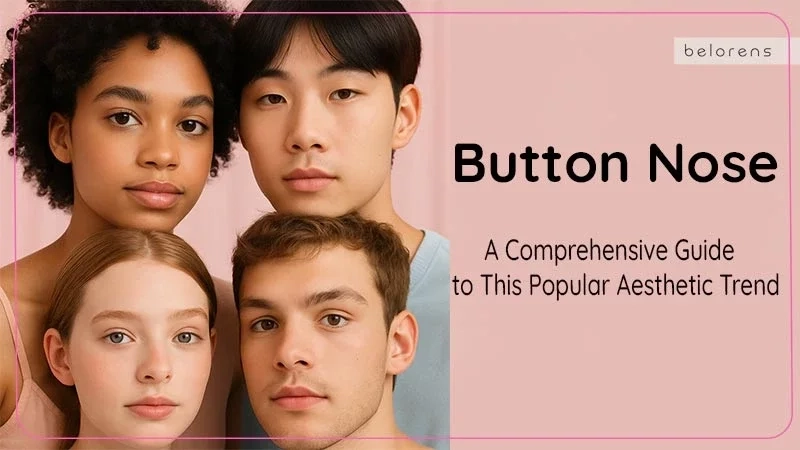
A button nose is often considered one of the most charming and aesthetically pleasing nose shapes. Small, delicate, and slightly upturned, this nose type has become a beauty ideal in many cultures and is frequently admired in celebrities, fashion models, and social media influencers. Whether you’re curious about what defines a button nose, wondering if you have one, or interested in how this nose shape influences facial harmony, there’s plenty to explore.
The fascination with facial features has existed for centuries, and the nose—being one of the most central parts of the face—plays a major role in overall appearance. Among all nose shapes, the button nose often stands out because of its soft and youthful look. It can create a balanced appearance and is commonly associated with elegance and innocence.
In this article, we’ll take a deep dive into what a button nose is, why it’s so admired, how it affects facial aesthetics, and whether it can be enhanced naturally or cosmetically. Let’s explore everything you need to know about this beloved facial feature.
What Is a Button Nose?
A button nose refers to a small, rounded nose with a slightly raised tip. It usually appears symmetrical and compact, giving the face a soft and refined appearance. The nostrils may be slightly visible from the front due to the gentle upward tilt of the nose tip, which contributes to its recognizable look.
Unlike sharper or more prominent nose types, a button nose doesn’t dominate the face. Instead, it blends harmoniously with other facial features, often making the eyes and lips appear more noticeable. This subtle balance is one reason why it’s often considered attractive across different beauty standards.
The term “button nose” comes from the resemblance to a small, rounded button—cute, neat, and proportionate. It’s often associated with youthful beauty because children naturally tend to have smaller, softer nose shapes before facial features mature over time.
Characteristics of a Button Nose
One of the main characteristics of a button nose is its small size. Compared to other nose types, it tends to be shorter in length and narrower in width. This compactness often gives the face a delicate and feminine appearance, although it can be equally appealing on all genders.
Another defining feature is the rounded nasal tip. Instead of being pointed or bulbous, the tip is soft and slightly lifted. This creates a subtle upward angle that can make the face appear more open and friendly. The nose bridge is usually smooth and not overly prominent, adding to its understated elegance.
Symmetry also plays a major role. A button nose often looks balanced from both the front and side profiles. While perfect facial symmetry is rare, this nose shape tends to complement facial proportions naturally, which contributes to its widespread appeal.
Why Is a Button Nose Considered Attractive?
Beauty standards vary across cultures and personal preferences, but the button nose consistently appears as a desirable feature. One reason is that it creates a soft and approachable look. People often associate rounded and delicate features with warmth, friendliness, and youthfulness.
A button nose also tends to enhance facial harmony. Because it doesn’t overpower the face, it allows other features—like the eyes, cheekbones, and lips—to stand out more. This balanced appearance often aligns with traditional ideals of symmetry and proportion.
Media influence has also played a role in popularizing the button nose. Many celebrities and public figures admired for their beauty have this nose shape, which can shape public perception and inspire cosmetic trends. As a result, many people seek to achieve or enhance this look.
Button Nose vs. Other Nose Shapes
Compared to an aquiline nose, which features a more prominent bridge and often a slight curve, the button nose appears much softer and less dramatic. Aquiline noses can convey strength and character, while button noses are typically associated with delicacy and sweetness.
When compared to a straight nose, a button nose differs mainly in the nasal tip. Straight noses have a linear profile from bridge to tip, whereas button noses have a slight upward curve that gives them a playful and youthful appearance.
A bulbous nose, on the other hand, may share some roundness with a button nose but is usually larger and wider at the tip. The button nose maintains its appeal through its smaller size and balanced proportions, making it appear more refined.
Can You Naturally Develop or Enhance a Button Nose?
The shape of your nose is primarily determined by genetics. Bone structure, cartilage, and facial development all influence whether someone naturally has a button nose. While some minor changes may occur with age, the overall shape usually remains consistent throughout adulthood.
There are many claims online about exercises or facial massages that can reshape the nose naturally. While these techniques may improve circulation or temporarily reduce puffiness, there is limited scientific evidence that they can permanently alter nose structure.
Makeup, however, can create the illusion of a button nose. Through contouring and highlighting, individuals can visually slim the bridge, lift the tip, and create more definition. Skilled makeup techniques can make subtle but noticeable differences in nose appearance without any medical procedures.
Cosmetic Procedures for Achieving a Button Nose
For those who desire a more permanent change, rhinoplasty is the most common surgical option. This procedure allows a surgeon to reshape the cartilage and bone to create a smaller, more refined, and slightly upturned nose. Many patients request button nose-inspired results because of its timeless appeal.
Non-surgical rhinoplasty, often called a liquid nose job, uses dermal fillers to improve nose shape temporarily. While fillers can smooth bumps or adjust symmetry, they are less effective for making the nose significantly smaller, which is often part of the button nose look.
It’s important to approach cosmetic procedures with realistic expectations. A skilled professional should consider your entire facial structure rather than simply copying a specific nose type. The goal should always be harmony and natural-looking results rather than chasing a one-size-fits-all beauty ideal.
Celebrities Known for Button Noses
Many well-known celebrities are admired for their naturally elegant button noses. Their facial features often contribute to the popularity of this nose shape and inspire beauty trends worldwide.
Actors and models with button noses often have a youthful, camera-friendly appearance that suits both classic and modern beauty standards. Their subtle nasal proportions can enhance overall facial balance, making their features especially photogenic.
However, it’s important to remember that beauty comes in many forms. While celebrity features may influence trends, individuality and confidence are ultimately what make someone truly attractive.
Embracing Your Natural Nose Shape
Although the button nose is often celebrated, every nose shape carries its own beauty and character. A unique nose can add personality, distinction, and charm to your face. What matters most is how well your features work together rather than fitting into a single ideal.
Self-confidence often has a greater impact on attractiveness than any specific facial feature. Learning to appreciate your natural appearance can be empowering and lead to a healthier relationship with beauty standards.
Whether you have a button nose or a completely different shape, understanding your facial features can help you enhance your look in ways that feel authentic to you. Beauty is not about perfection—it’s about individuality and self-expression.
Final Thoughts on the Button Nose
The button nose remains one of the most admired and sought-after nose shapes for good reason. Its small size, rounded tip, and balanced proportions create a soft, youthful, and elegant appearance that appeals to many people.
While genetics determine most nose shapes, makeup techniques and cosmetic procedures can offer options for those seeking subtle changes. Still, the most important thing is choosing what makes you feel confident and comfortable in your own skin.
At the end of the day, a button nose is simply one example of how facial features can contribute to beauty. Whether you naturally have one or simply admire its charm, true attractiveness comes from embracing your individuality and appreciating the unique features that make you who you are.