
If you’ve ever followed a recipe and stopped to wonder, “How many ounces in a cup?” you are definitely not alone. Measuring ingredients correctly can make a huge difference in cooking and baking, especially when recipes use different measurement systems. One small mistake with measurements can completely change the texture, flavor, or consistency of a dish.
The simple answer is that 1 cup equals 8 fluid ounces in the United States measurement system. However, things become more interesting when dry ingredients enter the conversation. Flour, sugar, butter, and liquids all behave differently, and that’s where many people get confused.
In this article, we’ll break everything down in a simple and practical way. You’ll learn the difference between fluid ounces and dry ounces, How Many Ounces in a Cup cups are measured in different countries, and why accuracy matters in the kitchen. By the end, you’ll feel much more confident using cups and how many ounces in a cup in any recipe.
Understanding the Basic Conversion
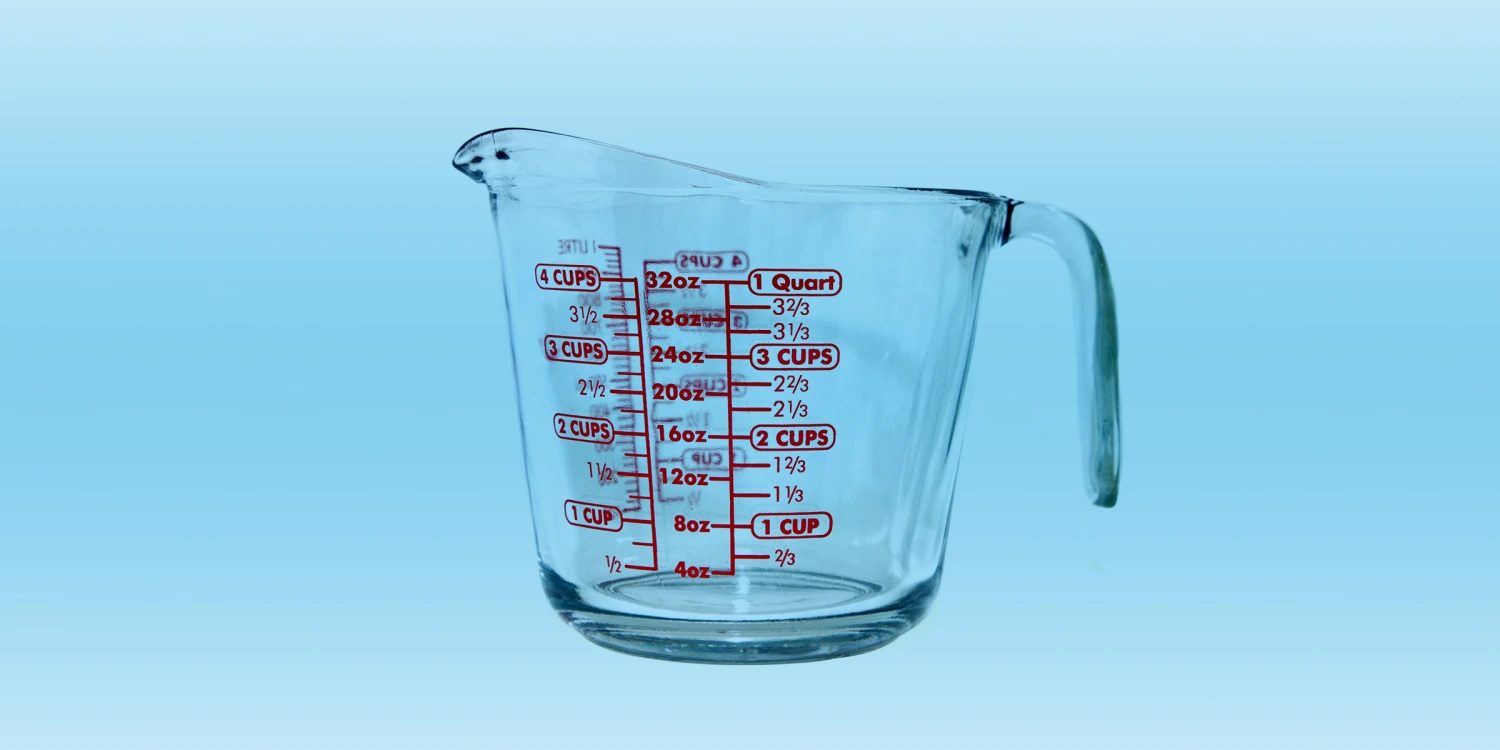
The most common conversion people need to know is that 1 US cup equals 8 fluid ounces. This applies mainly to liquids such as water, milk, coffee, juice, or oil. In American cooking measurements, fluid ounces are used to measure volume rather than weight.
For example, if a recipe asks for 2 cups of water, you can easily convert that into 16 fluid how many ounces in a cup . The same applies to milk, broth, or any other liquid ingredient. This standard measurement is widely used in American recipes and kitchen tools.
The confusion often begins because the word “ounce” can refer to both weight and volume. A fluid ounce measures space occupied by liquid, while a dry ounce measures actual weight. Even experienced home cooks occasionally mix these up, especially when trying international recipes.
Fluid Ounces vs Dry Ounces
One of the biggest misunderstandings in cooking is assuming that fluid how many ounces in a cup and dry ounces are identical. They are not the same thing at all. Fluid ounces measure volume, while dry ounces measure weight.
For liquids, the conversion is simple because liquids settle evenly in a measuring cup. Eight fluid how many ounces in a cup of water will equal one cup. However, dry ingredients vary greatly depending on density. A cup of flour does not weigh the same as a cup of chocolate chips or nuts.
For instance, one cup of all-purpose flour weighs roughly 4.25 how many ounces in a cup , while one cup of shredded cheese can weigh around 8 how many ounces in a cup . This is why professional bakers often use kitchen scales instead of cups. Weight measurements provide greater accuracy and consistency.
Understanding this difference helps avoid recipe disasters. If you incorrectly measure dry ingredients using fluid ounce assumptions, your baked goods may turn out too dense, too dry, or unevenly textured.
Why Accurate Measurements Matter in Baking
Cooking is often flexible, but baking is much more scientific. Precise measurements can determine whether your cake rises properly or whether your cookies spread too much. That’s why understanding how many ounces in a cup and cups becomes extremely important.
When too much flour is added because of inaccurate cup measurements, baked goods become heavy and dry. Too little flour can cause cakes to collapse or cookies to become greasy. Even a small measurement mistake can affect the final result.
Professional bakers usually weigh ingredients in grams or how many ounces in a cup because scales eliminate guessing. Cups can vary depending on How Many Ounces in a Cup tightly ingredients are packed. For example, scooping flour directly from the bag packs more flour into the cup compared to spooning it gently into the measuring cup.
Still, cups remain very popular in home kitchens because they are quick and convenient. Knowing proper conversions allows you to use them effectively while still maintaining good recipe accuracy.
Common Cup to Ounce Conversions
Here are some of the most common conversions you’ll encounter in the kitchen:
- 1 cup = 8 fluid ounces
- 1/2 cup = 4 fluid ounces
- 1/4 cup = 2 fluid ounces
- 3/4 cup = 6 fluid ounces
- 2 cups = 16 fluid ounces
- 4 cups = 32 fluid ounces
These conversions are especially useful when doubling recipes or adjusting serving sizes. If a recipe serves four people but you need it for eight, converting cups into how many ounces in a cup can make scaling much easier.
Knowing these measurements also helps when you don’t have the exact measuring tools available. For example, if you only have an ounce-marked measuring container, you can still measure cups accurately.
Many people memorize the “8 ounces in a cup” rule because it serves as the foundation for most kitchen conversions. Once you know this basic formula, calculating larger or smaller quantities becomes much easier.
Different Countries Use Different Cup Sizes
One interesting fact many people don’t realize is that cup measurements vary depending on the country. A US cup is not exactly the same as a UK or Australian cup. This difference may seem small, but it can affect recipes significantly.
A standard US cup equals approximately 240 milliliters. In Australia, one cup equals 250 milliliters. Meanwhile, older British recipes may use imperial measurements that differ slightly from American standards.
This becomes especially important when following recipes online. A recipe from an Australian food blog might produce slightly different results if measured with US cups. While the difference may not ruin simple dishes, it can affect delicate baked items.
That’s why many modern recipe creators include both metric and US measurements. Using grams and milliliters often creates more consistent results across different regions of the world.
Measuring Liquid Ingredients Correctly
Liquid ingredients are generally the easiest to measure accurately. To measure liquids properly, you should use a clear liquid measuring cup with marked ounce and cup lines. These cups are designed for precise volume measurements.
Place the measuring cup on a flat surface and bend down to check the liquid level at eye height. This helps prevent overfilling or underfilling. Reading measurements from above can lead to inaccurate results.
Water, milk, oil, broth, and juice all follow the standard conversion of 8 fluid how many ounces in a cup per cup. Since liquids naturally level themselves, they are simpler to measure than dry ingredients.
Many people try using dry measuring cups for liquids, but this often causes spills and inaccurate amounts. Using the correct measuring tool makes cooking easier and improves recipe consistency.
Measuring Dry Ingredients Properly
Dry ingredients require a slightly different approach. Measuring flour, sugar, cocoa powder, or oats incorrectly can dramatically affect recipes. The method used matters more than most beginners realize.
The best way to measure dry ingredients is the “spoon and level” method. Spoon the ingredient into the measuring cup lightly, then level it off with a straight edge. Avoid packing ingredients down unless the recipe specifically instructs you to do so.
Scooping directly into flour bags compresses the flour, adding more than intended. This is one of the most common causes of dense baked goods. Professional bakers avoid this problem by using digital kitchen scales.
Even though a cup is technically a volume measurement, the actual weight of dry ingredients varies greatly. Understanding this distinction helps improve your cooking and baking skills significantly.
Kitchen Tools That Make Measuring Easier
Having the right kitchen tools can make measuring much simpler and more accurate. Every well-equipped kitchen should ideally have both dry and liquid measuring tools.
Dry measuring cups are usually made from metal or plastic and come in standard sizes like 1 cup, 1/2 cup, 1/3 cup, and 1/4 cup. Liquid measuring cups are larger containers with pouring spouts and measurement markings.
A digital kitchen scale is another excellent investment, especially if you bake frequently. Scales provide precise measurements and eliminate the inconsistency of cup measurements. Many modern recipes now include gram measurements because they are far more accurate.
Measuring spoons are also important for smaller quantities. Even tiny measurement errors with baking powder, baking soda, or salt can affect a recipe’s outcome.
Tips for Remembering Cup and Ounce Conversions
Many people struggle to memorize kitchen conversions, but a few simple tricks can help. The easiest rule to remember is:
1 cup = 8 ounces
From there, everything else becomes easier. Half a cup equals 4 ounces, and two cups equal 16 ounces. Once you know the base number, you can quickly calculate larger quantities mentally.
Some home cooks place conversion charts inside kitchen cabinets for quick reference. Others use smartphone apps or magnetic fridge charts. Over time, repeated cooking naturally helps these measurements become second nature.
Practice also improves confidence. The more often you cook or bake, the more familiar these measurements become. Eventually, you’ll find yourself converting cups and how many ounces in a cup automatically without needing a calculator.
Final Thoughts
Understanding how many ounces in a cup are in a cup is one of the most useful kitchen skills anyone can learn. While the basic conversion how many ounces in a cup is simple — 1 cup equals 8 fluid ounces — the real challenge comes from understanding the difference between liquid and dry measurements.
Cooking becomes much easier when you know how many ounces in a cup to measure ingredients correctly. Accurate measurements improve flavor, texture, and consistency, especially in baking. Whether you are preparing simple meals or experimenting with advanced recipes, mastering cups and ounces helps build confidence in the kitchen.
Remember that liquid ingredients follow standard fluid ounce conversions, while dry ingredients vary by weight and density. Using proper measuring tools and techniques can make a noticeable difference in your results.
Once you understand these basics, recipes become far less intimidating. Instead of second-guessing measurements, you’ll be able to cook with greater precision and enjoy more successful dishes every time.
FAQs
1. How many ounces in a cup many fluid ounces are in one cup?
One US cup contains 8 fluid ounces. This measurement is commonly used for liquids like water, milk, and oil.
2. Is 8 ounces always equal to one cup?
Only for liquids measured in fluid ounces. Dry ingredients vary in weight, so 8 dry ounces may not equal one cup.
3. What is the difference between fluid ounces and dry ounces?
Fluid ounces measure volume, while dry ounces measure weight. They are completely different types of measurements.
4. Do all countries use the same cup size?
No. US, UK, and Australian cups differ slightly in size, which can affect recipes.
5. What is the best way to measure dry ingredients?
Use the spoon-and-level method or a digital kitchen scale for the most accurate results.