
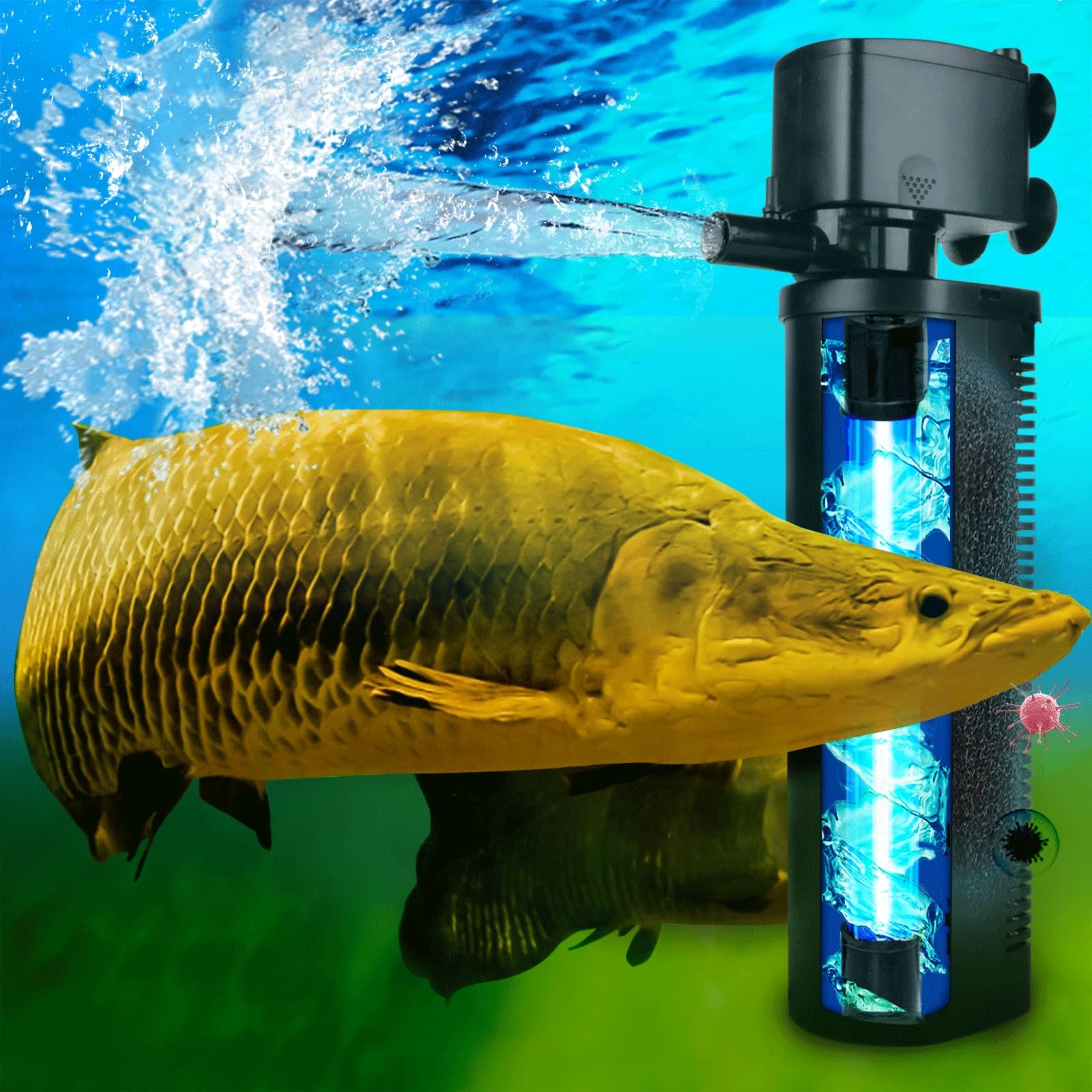
Keeping an aquarium healthy is about much more than feeding fish and changing water occasionally. One of the most important parts of any aquarium setup is the filter. A high-quality fish tank filter keeps the water clean, removes harmful waste, improves oxygen levels, and creates a healthier environment for fish and plants. Without proper filtration, even the most beautiful aquarium can quickly become cloudy, unhealthy, and difficult to maintain.
Choosing the best fish tank filter can feel overwhelming because there are many different styles, sizes, and brands available. Some filters are perfect for small beginner tanks, while others are designed for large aquariums filled with sensitive fish species. The right filter depends on your tank size, the type of fish you keep, and how much maintenance you are willing to do.
In this guide, you’ll learn everything you need to know about the best fish tank filters, including how they work, the different types available, and how to choose the perfect one for your aquarium.
Why Fish Tank Filters Are Important
A fish tank filter does much more than simply clean dirty water. It plays a major role in maintaining a balanced ecosystem inside the aquarium. Fish constantly produce waste, leftover food breaks down, and plants can decay over time. All of this creates harmful substances like ammonia that can quickly become dangerous for aquatic life.
A good filter removes debris and harmful toxins before they build up. Most filters provide three kinds of filtration: mechanical, biological, and chemical. Mechanical filtration traps dirt and particles, biological filtration supports beneficial bacteria that break down waste, and chemical filtration removes odors and discoloration from the water.
Filters also help circulate water throughout the tank. Water movement increases oxygen levels, which is essential for fish health. In tanks without proper circulation, stagnant water can create dead zones where harmful bacteria and algae thrive.
Types of Fish Tank Filters
There are several types of aquarium filters available today, and each has its own strengths and weaknesses. Understanding the differences can help you make the right decision.
Hang-On-Back Filters
Hang-on-back filters, often called HOB filters, are among the most popular choices for beginner and intermediate aquarium owners. These filters hang on the back of the tank and pull water through filter media before returning it to the aquarium.
One reason these filters are so popular is their simplicity. They are easy to install, easy to clean, and affordable for most hobbyists. Many HOB filters also allow you to customize the filter media, giving you more control over water quality.
These filters work especially well for freshwater community tanks. However, they may not be ideal for very large aquariums because they have limited filtration capacity compared to larger systems.
Canister Filters
Canister filters are powerful external filtration systems designed for medium to large aquariums. These filters sit outside the tank and use tubes to pull water through multiple stages of filtration.
Aquarium enthusiasts often prefer canister filters because they offer excellent mechanical, chemical, and biological filtration. They are extremely efficient and can handle heavily stocked tanks with ease. They also operate quietly, which is a huge advantage for home aquariums placed in bedrooms or living rooms.
The downside is that canister filters are usually more expensive and require a bit more maintenance knowledge. Still, for serious aquarium keepers, they are often considered the best fish tank filters available.
Sponge Filters
Sponge filters are simple yet highly effective, especially for breeding tanks, shrimp tanks, and aquariums with delicate fish. These filters use an air pump to pull water through a sponge, which traps debris and supports beneficial bacteria growth.
One major advantage of sponge filters is their gentle water flow. This makes them ideal for baby fish, bettas, and shrimp that may struggle with stronger currents. Sponge filters are also inexpensive and easy to maintain.
Although they provide excellent biological filtration, sponge filters are less effective at mechanical and chemical filtration compared to other filter types. Many aquarists use them alongside another filter system for better performance.
Internal Filters
Internal filters are placed directly inside the aquarium. They are compact, easy to hide, and commonly used in small to medium-sized tanks.
These filters are convenient because they are simple to install and maintain. Many internal filters include adjustable flow settings, making them suitable for different fish species.
However, internal filters can take up valuable space inside the aquarium. They are also generally less powerful than external systems, so they may not be the best option for heavily stocked tanks.
Features to Look for in the Best Fish Tank Filters
Not every aquarium filter is built the same. Some are designed for convenience, while others focus on maximum filtration performance. Here are the most important features to consider before buying a filter.
Filtration Capacity
The filter should be strong enough for your aquarium size. Most manufacturers list the recommended tank size on the packaging. As a general rule, it is better to choose a filter rated slightly above your tank size rather than one that barely meets the minimum requirement.
A stronger filter helps maintain stable water conditions and reduces the frequency of cleaning. This is especially important for tanks with large fish or heavy feeding routines.
Noise Level
Some filters operate almost silently, while others can create noticeable noise. If your aquarium is located in a bedroom, office, or quiet space, choosing a quiet filter can make a huge difference.
Canister filters are typically among the quietest options available. Sponge filters can also be quiet if paired with a quality air pump.
Ease of Maintenance
Regular maintenance is necessary for every filter. Some systems are much easier to clean than others. Hang-on-back filters are generally beginner-friendly because the filter cartridges are simple to replace.
Canister filters may require more time during maintenance, but they usually need cleaning less frequently. Choosing a filter with easy access to media compartments can save a lot of frustration later.
Energy Efficiency
A filter runs continuously, so energy efficiency matters over time. Modern filters are often designed to consume less electricity while still delivering strong performance.
Energy-efficient filters not only reduce electricity bills but also generate less heat, which helps maintain stable aquarium temperatures.
Best Fish Tank Filters for Different Aquarium Types
Different aquariums require different filtration systems. What works perfectly for one tank may not work well for another.
Best Filters for Small Tanks
Small aquariums benefit from compact and gentle filters. Sponge filters and small hang-on-back filters are usually the best choices because they provide enough filtration without creating excessive water movement.
For betta fish tanks, low-flow filters are especially important because bettas prefer calm water. A sponge filter is often the safest and most effective solution.
Best Filters for Large Aquariums
Large tanks require stronger filtration systems capable of handling greater waste production. Canister filters are often the top choice for aquariums over 50 gallons because they provide powerful multi-stage filtration.
Large aquariums also benefit from increased water circulation, which helps distribute oxygen evenly throughout the tank.
Best Filters for Planted Tanks
Planted aquariums require balanced filtration that does not create excessive water movement. Too much flow can disturb plants and inject too much oxygen, which may reduce carbon dioxide levels needed for plant growth.
Canister filters with adjustable flow settings are commonly used in planted aquariums because they offer excellent filtration while allowing precise control over water movement.
Common Fish Tank Filter Mistakes
Many aquarium problems happen because of simple filtration mistakes. Understanding these common issues can help you avoid unnecessary stress and fish loss.
One major mistake is over-cleaning the filter media. Beneficial bacteria live inside the filter and are essential for breaking down toxic waste. Washing filter media with tap water can kill these bacteria due to chlorine exposure. Instead, rinse media gently in old aquarium water during water changes.
Another common problem is choosing a filter that is too weak for the aquarium. Underpowered filters struggle to keep up with waste production, leading to cloudy water and poor water quality.
Some aquarium owners also turn off filters at night to reduce noise. This can be dangerous because beneficial bacteria need constant oxygen-rich water flow to survive. Filters should run continuously unless maintenance is being performed.
Tips for Maintaining Your Fish Tank Filter
Proper maintenance keeps your filter working efficiently and extends its lifespan. The first step is creating a regular cleaning schedule based on your aquarium size and stocking level.
Check the filter intake regularly for debris buildup. A clogged intake can reduce water flow and place extra strain on the motor. Cleaning the intake sponge or tube helps maintain strong circulation.
Replace chemical media like activated carbon as recommended by the manufacturer. However, avoid replacing all filter media at the same time because this can remove too much beneficial bacteria from the system.
It is also helpful to inspect the filter impeller occasionally. Dirt and algae can build up around moving parts, reducing performance and increasing noise levels.
Final Thoughts
Choosing the best fish tank filter is one of the most important decisions for maintaining a healthy aquarium. A quality filter keeps water clean, supports beneficial bacteria, and creates a stable environment where fish can thrive.
For beginners, hang-on-back filters are usually the easiest and most affordable option. Experienced hobbyists with larger tanks often prefer canister filters because of their superior performance and customization options. Sponge filters remain a favorite for breeding tanks, shrimp tanks, and gentle-flow setups.
No matter which type you choose, proper maintenance is essential for long-term success. A well-maintained filter not only improves water quality but also reduces stress for both fish and aquarium owners.
With the right filtration system, your aquarium can stay crystal clear, healthy, and enjoyable for years to come.