

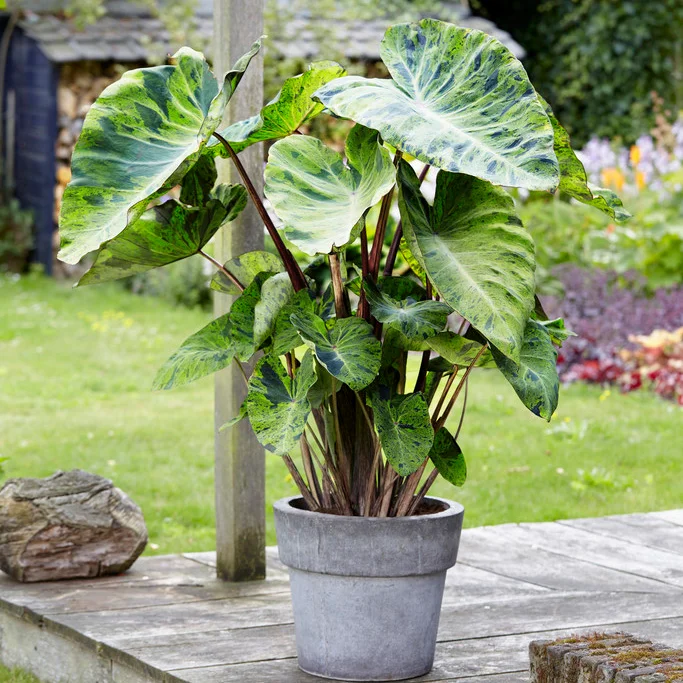
If you’re looking for a bold, dramatic plant that instantly transforms any indoor or outdoor space, the elephant ear plant is one of the best choices you can make. With its oversized, heart-shaped leaves and tropical vibe, this stunning plant has become a favorite among gardeners, interior decorators, and houseplant lovers alike.
Despite its exotic appearance, elephant ear plants are surprisingly manageable once you understand their needs. Whether you’re planning to grow them in your backyard garden, on a patio, or inside your home, learning how to care for them properly can help you enjoy lush, healthy foliage year-round.
In this complete guide, we’ll explore everything you need to know about elephant ear plants—from different varieties and planting techniques to watering schedules, common problems, and styling ideas.
What Is an Elephant Ear Plant?
The term elephant ear plant refers to several tropical plants known for their massive, broad leaves that resemble the ears of an elephant. These plants mainly belong to the genera Alocasia, Colocasia, and Xanthosoma, each offering slightly different leaf shapes, textures, and growth habits.
Native to tropical and subtropical regions of Asia, South America, and the Pacific Islands, elephant ear plants thrive in warm, humid environments. They are often used to create dramatic focal points in gardens or to bring a tropical feel indoors. Their oversized leaves can range from vibrant green to deep purple or nearly black, depending on the variety.
What makes elephant ear plants especially appealing is their versatility. They can be planted directly in the ground, grown in decorative containers, or kept indoors as statement houseplants. Their lush appearance adds immediate character and elegance to any space.
Popular Types of Elephant Ear Plants
Not all elephant ear plants are the same. Understanding the different types can help you choose the best one for your home or garden.
Alocasia Elephant Ear
Alocasia varieties are known for their upright leaves and striking vein patterns. Their leaves often point upward rather than drooping, giving them a more architectural appearance. Popular varieties include Alocasia Polly, Alocasia Amazonica, and Alocasia Regal Shields.
These plants are commonly grown indoors because of their manageable size and decorative foliage. They prefer bright, indirect light and higher humidity levels, making them ideal for bathrooms or rooms with humidifiers.
Alocasia can be a bit more sensitive than other elephant ear varieties, but their dramatic beauty makes the extra care worthwhile.
Colocasia Elephant Ear
Colocasia plants are often called the classic elephant ear plants. Their large leaves usually droop downward and can grow impressively large outdoors.
One of the most popular varieties is Colocasia Esculenta, sometimes called taro. Some types produce edible tubers, though ornamental varieties are mainly grown for decoration.
Colocasia generally loves wet soil and can even thrive near ponds or water gardens, making it an excellent outdoor landscaping option.
Xanthosoma Elephant Ear
Xanthosoma is less commonly discussed but equally stunning. These plants often feature arrow-shaped leaves with unique textures and vibrant green coloring.
They are often easier to grow in tropical climates and can become large, dramatic garden specimens.
For plant collectors, Xanthosoma offers a more unusual alternative to the more common Alocasia and Colocasia.
How to Grow an Elephant Ear Plant Successfully
Growing an elephant ear plant can be incredibly rewarding, especially when you see those giant leaves unfurling for the first time.
Choosing the Right Location
Location is one of the most important factors in successful elephant ear plant care. Outdoors, these plants generally prefer partial shade or filtered sunlight. Too much direct sun can scorch the leaves, while too little light can stunt growth.
Indoors, place the plant near a bright window with indirect light. East-facing or north-facing windows often work best.
Warm temperatures are essential. Elephant ear plants thrive in temperatures between 65°F and 85°F, and they dislike cold drafts or sudden temperature drops.
Soil Requirements
Elephant ear plants prefer rich, well-draining soil that retains some moisture without becoming soggy.
A quality potting mix combined with compost and a bit of perlite often creates the ideal balance. The soil should stay consistently moist, especially during the active growing season.
For outdoor planting, enriching garden soil with organic matter can improve both fertility and drainage.
Planting Tips
When planting elephant ear bulbs or tubers, place them about 2–4 inches deep with the growing tip facing upward.
Space outdoor plants generously, as they can spread significantly depending on the variety.
If growing in containers, choose a large pot with drainage holes to support healthy root development.
Elephant Ear Plant Care Guide
Proper care is the secret to keeping your elephant ear plant healthy and vibrant.
Watering Needs
Elephant ear plants love moisture. Their large leaves require substantial water, especially during hot weather.
Water the plant when the top inch of soil feels slightly dry. Avoid letting the soil completely dry out, as this can stress the plant and cause leaf damage.
Indoor plants may need less water than outdoor ones, but humidity remains essential. Misting the leaves or using a humidifier can help maintain healthy foliage.
Fertilizing for Fast Growth
These plants are heavy feeders and benefit from regular fertilization during spring and summer.
A balanced liquid fertilizer applied every 2–4 weeks can encourage larger leaves and stronger growth.
Organic compost or slow-release fertilizer can also provide long-term nutrition.
During winter dormancy, reduce or stop fertilizing altogether.
Humidity and Temperature
Humidity plays a major role in elephant ear plant health.
Low humidity can cause leaf edges to brown or curl. Increasing moisture in the air often solves this issue quickly.
Temperatures below 50°F can damage the plant, so bring outdoor container plants inside before cold weather arrives.
Common Elephant Ear Plant Problems
Even experienced plant owners occasionally face challenges.
Yellow Leaves
Yellowing leaves often indicate overwatering, poor drainage, or natural aging.
Check the soil before watering and ensure excess water can drain properly.
Removing older yellow leaves can help the plant focus energy on new growth.
Brown Leaf Edges
Brown edges usually signal low humidity, underwatering, or excessive direct sunlight.
Adjusting humidity levels and moving the plant away from harsh sun often resolves the issue.
Consistent watering also helps prevent leaf stress.
Pests and Diseases
Spider mites, aphids, and mealybugs can occasionally attack elephant ear plants.
Regularly inspecting the leaves and wiping them clean can help prevent infestations.
Neem oil or insecticidal soap is often effective for treatment.
Root rot can occur if soil remains too wet, making proper drainage essential.
Can Elephant Ear Plants Grow Indoors?
Absolutely. Many elephant ear varieties make exceptional indoor plants when given the right environment.
Indoor elephant ear plants add instant drama and a tropical touch to living rooms, bedrooms, and office spaces.
Choose compact varieties like Alocasia Polly if space is limited. Larger varieties can become impressive statement pieces in bright corners.
Providing adequate humidity is usually the biggest challenge indoors, but a pebble tray or humidifier can make a big difference.
Regular cleaning of the leaves also helps the plant absorb light more efficiently and keeps it looking polished.
Landscaping Ideas Using Elephant Ear Plants
Elephant ear plants are powerful design tools in outdoor spaces.
They look stunning when planted near water features, pathways, or patio seating areas. Their oversized leaves create lush, jungle-like surroundings.
Pairing them with ferns, hostas, and tropical flowers creates beautiful texture contrasts.
Container-grown elephant ears can also frame entryways or balconies beautifully.
Because of their dramatic scale, even a single elephant ear plant can become a focal point in the landscape.
Are Elephant Ear Plants Safe for Pets?
One important thing to know is that elephant ear plants can be toxic to pets and humans if ingested.
They contain calcium oxalate crystals, which can cause irritation in the mouth and digestive tract.
Keep the plant out of reach of curious cats, dogs, and small children.
Wearing gloves while handling damaged leaves can also be helpful for sensitive individuals.
Final Thoughts on the Elephant Ear Plant
The elephant ear plant is one of the most rewarding tropical plants you can grow. Its dramatic foliage, versatile growing options, and eye-catching beauty make it a standout addition to any indoor or outdoor space.
While it may look exotic and demanding, proper care is surprisingly simple once you understand its basic needs: warmth, moisture, humidity, and rich soil.
Whether you’re a beginner building your first plant collection or an experienced gardener looking for a bold centerpiece, the elephant ear plant is an excellent choice that brings elegance, personality, and tropical charm wherever it grows.

Thomas — Your next smart connection.