
Ear wax removal is one of those personal care topics that many people ignore—until it becomes a problem. Whether you’re dealing with muffled hearing, ear discomfort, or simply want to maintain better ear hygiene, understanding how ear wax works and how to remove it safely is essential. Despite the many myths surrounding ear cleaning, ear wax actually plays a vital role in protecting your ears.
Many people assume ear wax is dirty and should be removed regularly, but that’s not entirely true. Ear wax, medically known as cerumen, is a natural substance produced by glands in the ear canal. It acts as a protective barrier, trapping dust, bacteria, and debris before they can reach the delicate inner ear. However, when too much wax builds up, it can cause discomfort and even temporary hearing loss.
In this complete guide, we’ll explore everything you need to know about ear wax removal—from what causes buildup and the safest removal methods to products that can help and common mistakes to avoid. Whether you’re considering home remedies or professional treatment, this article will help you make informed decisions about your ear health.
What Is Ear Wax and Why Does Your Body Produce It?
Ear wax might seem unpleasant, but it serves several important purposes. It is a combination of secretions from glands in the ear canal mixed with dead skin cells and tiny particles. This sticky substance helps keep your ears clean and lubricated while preventing irritation and infection.
One of the primary roles of ear wax is protection. It captures dirt, dust, and microorganisms before they can enter deeper parts of the ear. Without ear wax, your ear canals would become dry, itchy, and more vulnerable to infections. It also contains antibacterial properties that help defend against harmful bacteria and fungi.
Normally, the body naturally moves ear wax outward through jaw movements like talking and chewing. Once it reaches the outer ear, it dries up and falls away. Problems arise when this natural cleaning process is interrupted, causing wax to build up and harden inside the ear canal.
Signs You May Need Ear Wax Removal
Not everyone needs to remove ear wax, but excessive buildup can lead to uncomfortable symptoms. One of the most common signs is reduced hearing. If sounds seem muffled or your ears feel blocked, impacted wax may be the cause.
Another common symptom is ear discomfort. This can include a feeling of fullness, pressure, mild pain, or even dizziness. Some people also experience ringing in the ears, known as tinnitus, which can worsen when wax is blocking the ear canal.
In more severe cases, impacted ear wax may lead to itching, unpleasant odor, or even coughing due to nerve stimulation in the ear canal. If you experience persistent symptoms, it may be time to consider safe ear wax removal methods or seek professional assistance.
Common Causes of Ear Wax Buildup
While some people naturally produce more ear wax than others, certain habits and conditions can increase the risk of buildup. One of the biggest causes is using cotton swabs. Ironically, instead of removing wax, cotton swabs often push it deeper into the ear canal, making impaction more likely.
Wearing earbuds, hearing aids, or earplugs frequently can also contribute to wax accumulation. These devices can prevent wax from naturally moving outward, causing it to compact over time.
Age can also play a role. As people get older, ear wax often becomes drier and harder, making it more difficult for the body to remove naturally. Some individuals also have narrower ear canals or produce thicker wax, which increases the chances of blockage.
Safe At-Home Ear Wax Removal Methods
If you suspect mild wax buildup, there are several safe home remedies that can help. One of the most popular options is ear drops designed to soften wax. Products containing carbamide peroxide, hydrogen peroxide, or saline can help break down hardened wax and make it easier to drain naturally.
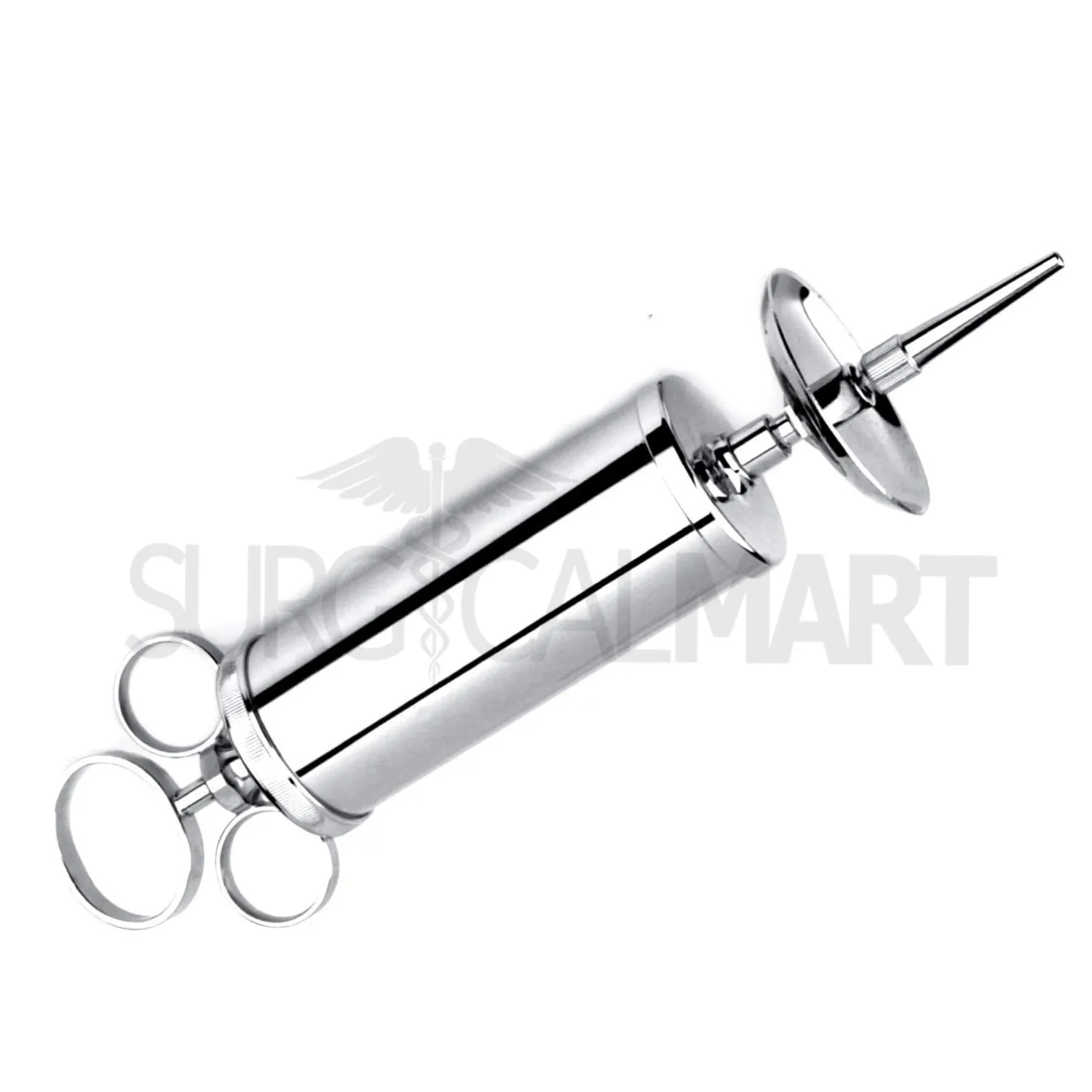
Warm water irrigation is another common method. Using a rubber bulb syringe, you can gently flush the ear with lukewarm water after softening the wax. This should always be done carefully, as excessive pressure can damage the ear canal or eardrum.
Natural oils such as olive oil, baby oil, or mineral oil may also help soften wax. Applying a few drops into the affected ear for several days can encourage the wax to loosen and exit on its own. While these remedies can be effective, they should never be used if you suspect an ear infection or a perforated eardrum.
Best Ear Wax Removal Products Worth Considering
The market offers several products designed specifically for safe ear wax removal. Ear drops are among the easiest and most effective options. Brands containing carbamide peroxide can dissolve stubborn wax without requiring manual removal.
Ear irrigation kits are another useful tool for people who prefer home treatment. These kits usually include a soft bulb syringe and cleansing solution designed to gently rinse the ear canal. When used correctly, they can be highly effective for mild to moderate buildup.
For those who want a more modern solution, ear-cleaning cameras and smart otoscopes have become increasingly popular. These devices connect to smartphones and allow users to view inside their ears while cleaning. However, caution is still necessary, as improper use can cause injury.
What NOT to Do During Ear Wax Removal
One of the biggest mistakes people make is inserting objects into their ears. Cotton swabs, hairpins, tweezers, and ear candles are all risky and can push wax deeper or damage sensitive ear tissues.
Ear candling, in particular, is widely discouraged by medical professionals. This alternative practice involves placing a hollow candle in the ear and lighting it, supposedly to draw out wax. Studies have shown it to be ineffective and potentially dangerous, with risks including burns and ear canal injuries.
Avoid aggressive flushing or using very hot or cold water, as temperature extremes can trigger dizziness. If you feel pain during any ear wax removal attempt, stop immediately and consult a healthcare provider.
When to See a Doctor for Professional Ear Wax Removal
Sometimes home remedies aren’t enough, especially if the wax is severely impacted. If you experience significant hearing loss, persistent pain, drainage, or symptoms that don’t improve, professional help is recommended.
Doctors can remove ear wax safely using specialized tools such as curettes, suction devices, or professional irrigation systems. These methods are typically quick, effective, and much safer than trying to remove deeply impacted wax yourself.
People with diabetes, weakened immune systems, ear tubes, or a history of ear surgery should avoid self-treatment and seek medical advice before attempting any ear wax removal.
How to Prevent Future Ear Wax Buildup
Preventing excessive ear wax buildup starts with avoiding unnecessary cleaning. In most cases, your ears can clean themselves naturally without intervention.
If you are prone to wax accumulation, using occasional softening drops may help maintain healthy ear canals. Regular checkups with an audiologist or doctor can also be beneficial, especially if you wear hearing aids.
Keeping earbuds and hearing devices clean can reduce wax buildup as well. Practicing gentle ear hygiene and resisting the urge to insert objects into your ears are some of the best long-term habits for healthy ears.
Final Thoughts on Ear Wax Removal
Ear wax removal is important when buildup causes discomfort or hearing problems, but it should always be approached carefully. Ear wax is not something your body produces by mistake—it serves a protective purpose and usually doesn’t need frequent removal.
The safest approach involves gentle methods like softening drops, warm water irrigation, or professional care when necessary. Avoid risky DIY techniques such as cotton swabs or ear candles, which can do more harm than good.
By understanding how ear wax works and choosing safe removal methods, you can protect your hearing, maintain ear health, and avoid unnecessary complications. Healthy ears begin with informed care—and sometimes, doing less is actually the best thing you can do.