
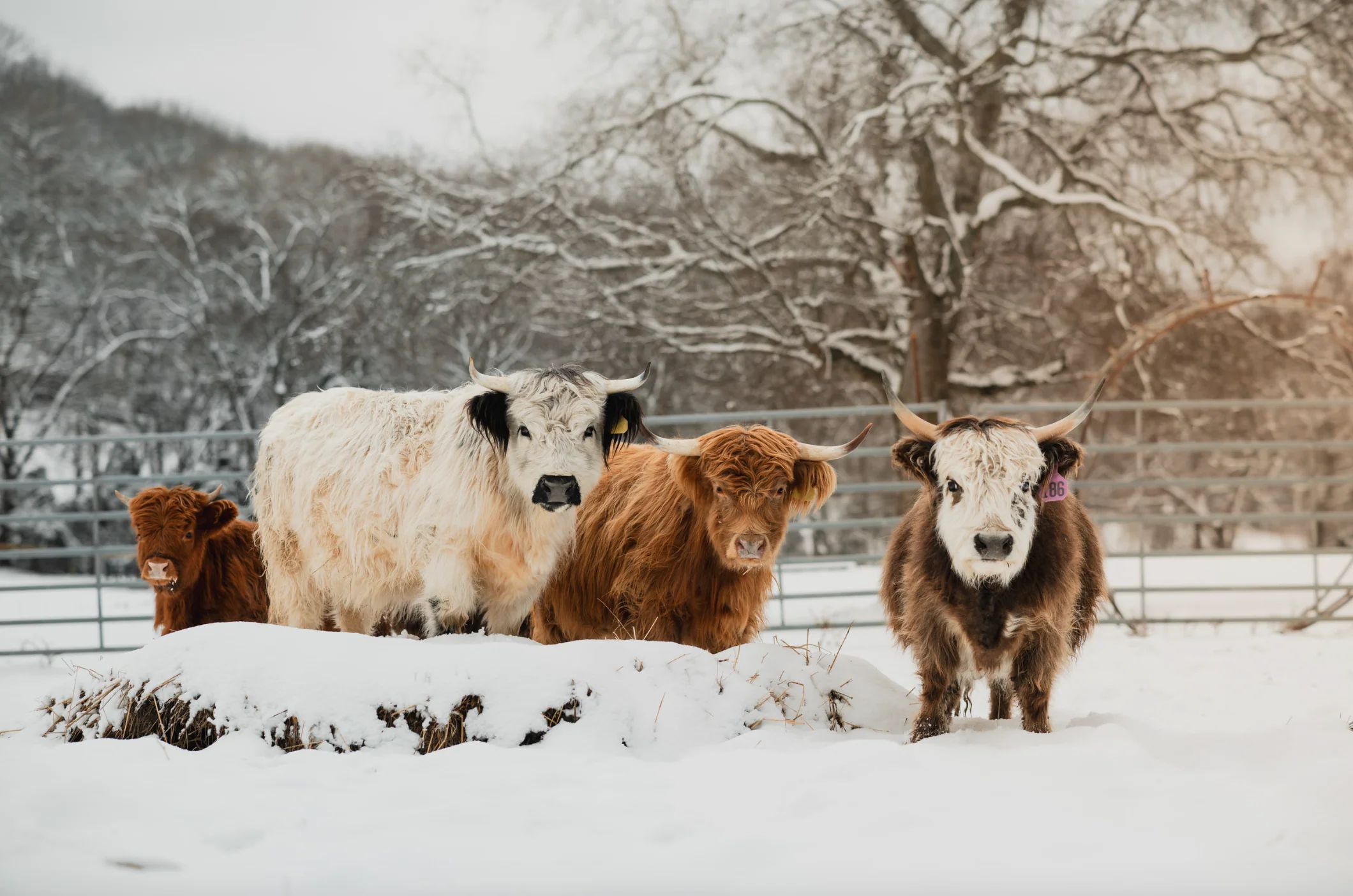
Mini cows have become one of the most talked-about animals among hobby farmers, homesteaders, and animal lovers. These compact cattle are not only adorable, but they are also practical for small farms and rural properties. Over the last few years, interest in mini cows has exploded because people are looking for animals that are easier to manage, require less space, and still provide many of the benefits of traditional cattle.
Unlike full-sized cows, mini cows are bred specifically to remain smaller in height and weight. They can be raised for companionship, milk production, breeding, or even as unique farm attractions. Their calm personalities and manageable size make them appealing to first-time livestock owners who may feel intimidated by standard cattle breeds.
In this article, we will explore everything you need to know about mini cows, including their types, benefits, care requirements, feeding habits, housing needs, and why they have become such a popular choice for modern farmers.
What Is a Mini Cow?
A mini cow is a smaller version of standard cattle breeds. These animals are selectively bred to maintain a reduced size while still retaining the physical features and characteristics of regular cows. Most mini cows stand under 42 inches tall at the shoulder, making them significantly smaller than traditional cattle.
Mini cows are not a completely separate species. Instead, they are the result of careful breeding practices designed to create compact livestock. Some mini cows are naturally small breeds, while others are produced through selective breeding programs that focus on reducing size over generations.
One of the biggest reasons mini cows attract attention is their appearance. Their fluffy coats, short legs, and compact bodies give them an almost toy-like look. Many people compare them to oversized pets because they often develop friendly bonds with their owners.
Another important factor is practicality. Traditional cattle require large grazing areas and significant resources. Mini cows, however, need much less land and feed, making them suitable for small-scale farming operations and backyard homesteads.
Popular Mini Cow Breeds
There are several mini cow breeds available today, each with unique traits and personalities. Some are bred for milk production, while others are raised mainly as pets or ornamental livestock.
Miniature Highland Cows
Miniature Highland cows are among the most recognizable mini cattle breeds. They are famous for their long shaggy coats and impressive horns. These cows originated from the Scottish Highlands and are well adapted to cold climates.
Their calm temperament makes them excellent for families and beginner farmers. Mini Highland cows are also highly photogenic, which explains why they dominate social media platforms and farm tourism advertisements.
Despite their fluffy appearance, these cows are surprisingly hardy animals. They can thrive in harsh weather conditions and often require less intensive care compared to some other livestock breeds.
Dexter Cows
Dexter cows are one of the oldest and smallest traditional cattle breeds. Originating in Ireland, they are highly valued for their versatility. Farmers often raise Dexter cows for milk, meat, and companionship.
Dexters are known for their intelligence and friendly nature. They adapt well to smaller farms and can graze efficiently on limited pasture land. Their compact size makes handling and transportation easier than with larger cattle breeds.
Another advantage of Dexter cows is their efficient milk production. While they produce less milk than commercial dairy breeds, the milk is rich and creamy, making it ideal for homemade dairy products.
Mini Jersey Cows
Mini Jersey cows are smaller versions of standard Jersey cattle. They are particularly popular among homesteaders because of their excellent milk quality. Jersey milk contains high butterfat levels, making it perfect for butter, cheese, and cream production.
These cows are generally gentle and social, which helps them interact well with humans. Many families choose Mini Jerseys because they are easier to manage than full-sized dairy cows while still providing enough milk for household needs.
Mini Jerseys also consume less feed than larger dairy breeds, which significantly reduces maintenance costs over time.
Why Are Mini Cows So Popular?
Mini cows have gained popularity for many reasons, and their appeal extends far beyond their cute appearance. Modern farming trends have shifted toward sustainability and manageable livestock, which has helped mini cows become highly desirable.
One major reason is space efficiency. Traditional cattle often require several acres of pasture, but mini cows can comfortably live on much smaller properties. This makes them attractive to hobby farmers and suburban homesteaders.
Another reason is lower maintenance costs. Mini cows generally eat less feed, require smaller shelters, and produce less waste compared to standard cattle. These factors make them more affordable for people with limited farming budgets.
Social media has also played a significant role in the mini cow trend. Pictures and videos of fluffy miniature cattle regularly go viral online, creating increased demand among animal enthusiasts.
Additionally, many people appreciate the emotional connection mini cows can provide. Their friendly personalities often make them feel more like pets than farm animals.
Feeding and Nutrition for Mini Cows
Although mini cows are smaller than regular cattle, they still require balanced nutrition to stay healthy. Proper feeding is one of the most important aspects of caring for miniature cattle.
Grass and hay form the foundation of a mini cow’s diet. Fresh pasture provides essential nutrients and allows cows to graze naturally. During colder months, high-quality hay becomes especially important.
Mini cows also benefit from mineral supplements. These supplements help support bone health, digestion, and overall wellness. Farmers should always ensure clean water is available because hydration is critical for cattle health.
Overfeeding can become a serious problem with mini cows. Because of their smaller bodies, excessive grain intake may lead to obesity and other health complications. Maintaining a balanced feeding schedule is essential.
Some owners also provide treats such as apples, carrots, or pumpkins in moderation. These snacks can strengthen the bond between cows and humans while adding variety to their diet.
Housing Requirements for Mini Cows
Mini cows may be smaller, but they still need proper shelter and living conditions. A clean and safe environment helps prevent illness and improves overall quality of life.
A sturdy fenced pasture is one of the first necessities. Even though mini cows are less intimidating than full-sized cattle, they are still strong animals that require secure boundaries.
Shelter is equally important. Mini cows need protection from heavy rain, strong winds, and extreme temperatures. A simple barn or covered shed is usually sufficient for most climates.
Good drainage is another essential factor. Wet and muddy environments can lead to hoof problems and infections. Keeping living areas dry greatly reduces health risks.
Owners should also provide enough space for exercise and movement. While mini cows do not require massive pastures, they still enjoy roaming and grazing naturally throughout the day.
Health and Care Tips
Mini cows are generally hardy animals, but they still require routine healthcare to remain healthy and happy. Preventive care is especially important for long-term well-being.
Regular veterinary checkups help identify health issues early. Vaccinations, parasite control, and hoof trimming should all be part of a proper care routine.
Mini cows also need social interaction. Cattle are herd animals, meaning they thrive when they have companionship. Keeping at least two cows together is often recommended to prevent loneliness and stress.
Grooming can also benefit certain breeds, especially Mini Highland cows with long coats. Brushing helps remove dirt, prevents matting, and keeps their fur healthy.
Observation is one of the best tools for cattle owners. Changes in appetite, behavior, or movement can signal health concerns that require immediate attention.
Are Mini Cows Good Pets?
Many people wonder whether mini cows can truly function as pets. The answer depends on the owner’s expectations and ability to provide proper care.
Mini cows can form strong bonds with humans and often display affectionate behavior. Some enjoy being brushed, hand-fed, and even petted. Their calm nature makes them easier to interact with than many larger farm animals.
However, it is important to remember that mini cows are still livestock. They require space, regular feeding, veterinary care, and proper handling. Owning one is a serious responsibility rather than a casual hobby.
Families with children often enjoy mini cows because they are less intimidating than standard cattle breeds. Their smaller size allows safer interaction, although supervision is always necessary.
For people interested in sustainable living, mini cows can provide milk, natural fertilizer, and companionship all at once. This combination of practicality and personality is one reason they continue to grow in popularity.
The Cost of Owning a Mini Cow
The price of mini cows varies depending on breed, size, genetics, and quality. Some miniature cattle may cost only a few thousand dollars, while rare or highly desirable breeds can be significantly more expensive.
Initial costs include purchasing the animal, building shelter, installing fencing, and preparing grazing areas. Ongoing expenses involve feed, veterinary care, and maintenance.
Despite the investment, many owners believe mini cows are worth the cost because they provide enjoyment, utility, and a unique farming experience.
Prospective buyers should always research breeders carefully before making a purchase. Ethical breeding practices and healthy animals are extremely important when investing in miniature cattle.
Final Thoughts
Mini cows are more than just an internet trend. They represent a practical and enjoyable option for people interested in small-scale farming, homesteading, or simply owning unique livestock. Their manageable size, friendly personalities, and lower maintenance requirements make them appealing to a wide range of animal lovers.
Whether you are considering a Mini Highland, Dexter, or Mini Jersey cow, understanding their needs is essential before bringing one home. Proper feeding, housing, healthcare, and companionship all play important roles in raising healthy miniature cattle.
As interest in sustainable living continues to grow, mini cows are likely to remain popular for years to come. They combine charm, functionality, and companionship in a way that few farm animals can match. For many people, owning a mini cow is not just about farming — it is about creating a meaningful connection with one of the most lovable animals on the planet.