
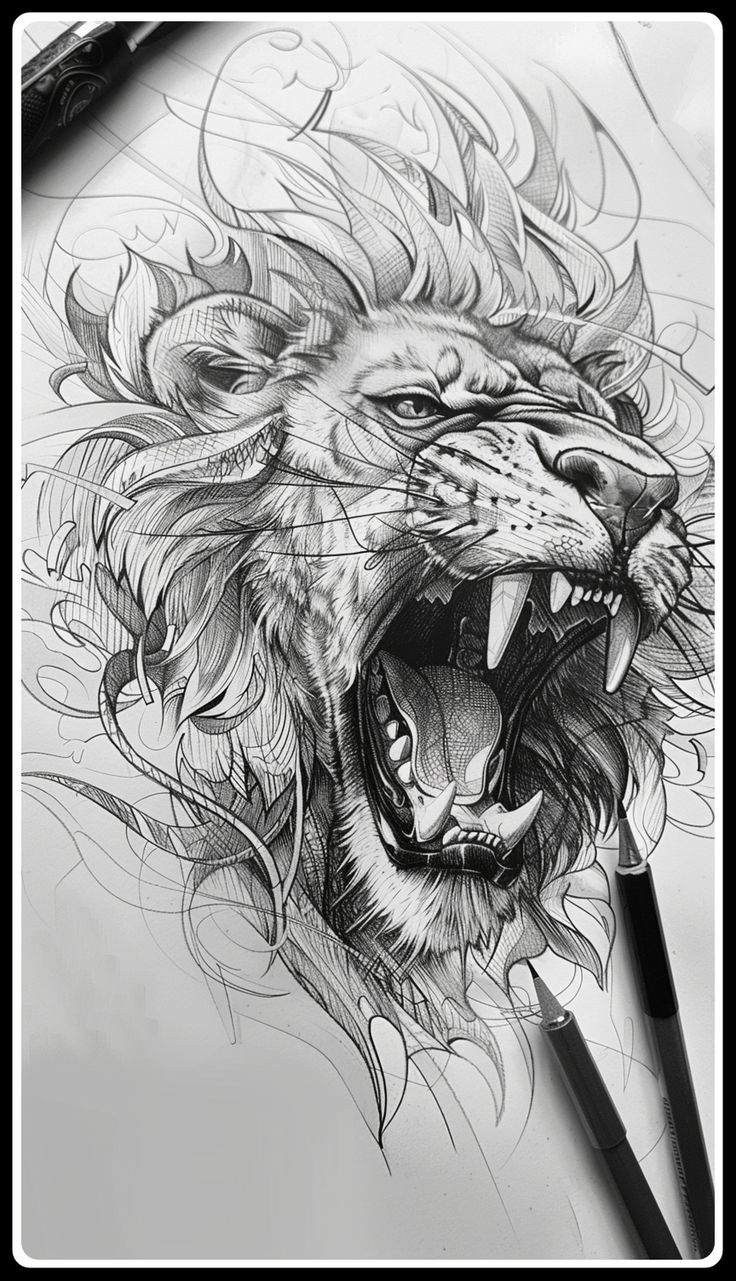
Drawing is one of the most rewarding creative hobbies anyone can explore. Whether you are a beginner sketching in a notebook or an experienced artist refining your style, discovering cool drawings can spark inspiration and help you improve your artistic abilities. Cool drawings are not limited to one style—they can range from realistic portraits and fantasy creatures to abstract patterns and simple doodles that capture attention instantly.
The beauty of drawing lies in its accessibility. All you need is a pencil, paper, and imagination. Yet with just these simple tools, you can create artwork that tells stories, expresses emotions, and impresses viewers. Cool drawings often stand out because they combine creativity with technique, making ordinary sketches look extraordinary.
In this article, we will explore different types of cool drawings, practical techniques for improving your skills, and creative inspiration to help you fill your sketchbook with amazing artwork. Whether you are drawing for fun or aiming to become a professional artist, this guide will help you discover new ideas and sharpen your talent.
Why Cool Drawings Matter in Artistic Growth
Cool drawings do more than just look visually appealing. They challenge your imagination and push you to experiment with different concepts, styles, and techniques. Every unique drawing teaches you something valuable, whether it is mastering proportions, understanding shading, or improving hand control.
One major advantage of practicing cool drawings is motivation. Artists often experience creative blocks, but exciting and unusual drawing ideas can reignite passion. Sketching a futuristic cityscape, a fantasy dragon, or a surreal eye can make the learning process much more enjoyable.
Cool drawings also help artists develop a personal style. As you explore various subjects and techniques, you begin to notice what inspires you most. Over time, this naturally shapes your artistic identity and helps your work become more recognizable.
Popular Types of Cool Drawings to Try
Realistic Pencil Drawings
Realistic drawings are always impressive because they showcase precision and technical skill. Portraits, animals, hands, and everyday objects are common subjects. The key to realism lies in observing details such as texture, light, and shadow.
Shading plays an essential role in making realistic drawings appear three-dimensional. Learning how to blend graphite smoothly and create contrast can transform a simple sketch into a masterpiece.
While realistic drawing can be challenging, it greatly improves observation skills and patience. Even practicing basic objects like an apple or a coffee mug can strengthen your understanding of form and depth.
Abstract and Surreal Drawings
Abstract drawings allow complete creative freedom. Instead of focusing on realism, these artworks use shapes, lines, and patterns to express emotions or concepts. They can be colorful, chaotic, or highly structured.
Surreal drawings take imagination even further. Combining impossible elements—such as floating eyes, melting clocks, or animals with human features—creates visually fascinating artwork that feels dreamlike.
Many artists enjoy abstract and surreal drawings because there are no strict rules. This style encourages experimentation and often leads to the most unique and memorable creations.
Cartoon and Character Drawings
Cartoon drawings are excellent for beginners and advanced artists alike. Characters can be exaggerated, expressive, and fun to create. From superheroes to original fantasy beings, character design develops storytelling ability.
Facial expressions are especially important in cartoon art. Learning how slight changes in eyes, eyebrows, and mouth shapes affect emotion can make characters feel alive.
Character drawings also allow artists to build imaginative worlds. Designing costumes, accessories, and personalities makes the process engaging and endlessly creative.
Essential Techniques for Creating Cool Drawings
Mastering Basic Shapes
Every complex drawing starts with simple shapes. Circles, squares, cylinders, and triangles act as the building blocks of almost every subject. Understanding how to combine and manipulate these forms makes sketching easier.
Breaking objects down into basic geometry helps with proportion and structure. For example, a human head can begin as a sphere, while an animal body can be simplified into ovals and rectangles.
Practicing shape construction regularly improves confidence and reduces mistakes during detailed drawing stages.
Learning Effective Shading
Shading adds realism, mood, and dimension to drawings. Techniques such as hatching, cross-hatching, stippling, and blending each create unique visual effects.
Light source awareness is crucial. Determining where light hits your subject allows you to place highlights and shadows accurately. This instantly makes drawings appear more professional.
Experimenting with different pencils can also improve shading quality. Softer graphite pencils produce darker tones, while harder pencils create lighter and finer lines.
Improving Line Quality
Strong line control is essential for cool drawings. Confident, deliberate strokes often look better than hesitant or overly repeated lines.
Practicing line exercises, such as drawing parallel lines and circles, strengthens hand stability. Over time, smoother lines become second nature.
Artists often develop personal line styles, whether bold and graphic or soft and delicate. Your line quality can become a defining characteristic of your artwork.
Creative Cool Drawing Ideas for Inspiration
Drawing inspiration can come from anywhere, but having specific ideas can help when you feel stuck. Nature is one of the best sources—trees, flowers, insects, and landscapes all offer fascinating shapes and textures.
Fantasy themes are another excellent option. Dragons, magical forests, floating islands, and futuristic robots can challenge your imagination and push creative boundaries.
Everyday objects can also become cool drawings when approached differently. A pair of headphones, a cup of coffee, or a bicycle can be transformed into visually stunning sketches through unique angles and creative shading.
Tools That Help You Create Better Drawings
Traditional artists often prefer graphite pencils, sketchbooks, erasers, blending stumps, and fine liners. High-quality materials can improve comfort and precision during drawing sessions.
Digital drawing tools have also become increasingly popular. Tablets and software allow artists to experiment with layers, colors, and effects without worrying about mistakes.
However, the best tool remains consistent practice. Expensive supplies can help, but dedication and experimentation matter far more than equipment.
Common Mistakes to Avoid
One common mistake is rushing through the sketching phase. Strong initial outlines create a better foundation for detailed work. Taking extra time early often saves frustration later.
Another mistake is focusing too much on perfection. Drawing is a skill developed through repetition, and imperfect sketches are part of the learning process.
Comparing yourself constantly to other artists can also slow progress. Instead, focus on personal improvement and celebrate small achievements in your artistic journey.
How to Stay Motivated as an Artist
Motivation often comes and goes, but building consistent habits helps maintain progress. Setting aside even 15 to 20 minutes daily for drawing can lead to significant improvement over time.
Joining online art communities can provide encouragement and inspiration. Sharing your work and receiving feedback can help you grow faster and stay connected with fellow artists.
Keeping an idea journal is another useful strategy. Writing down interesting drawing concepts ensures you always have something exciting to sketch when inspiration strikes.
Final Thoughts on Cool Drawings
Cool drawings are more than just attractive sketches—they are opportunities to learn, experiment, and express creativity. Whether you enjoy realistic portraits, imaginative fantasy art, or playful cartoon characters, every drawing contributes to your artistic growth.
The most important step is simply to start. Do not worry about creating perfect artwork immediately. Focus on enjoying the process, practicing regularly, and exploring new ideas without fear.
With patience, curiosity, and dedication, your sketchbook can become a collection of incredible cool drawings that reflect your unique artistic voice. Keep drawing, keep experimenting, and most importantly, keep having fun with your creativity.