
Ear piercings have long been one of the most popular and timeless forms of self-expression. From classic lobe piercings to trendy cartilage placements, ear jewelry allows people to showcase their personal style in subtle or bold ways. Whether you’re considering your very first piercing or planning to add another to your curated ear, understanding the different types of ear piercings, healing times, and proper aftercare is essential.
The beauty of ear piercings lies in their versatility. You can keep things minimal with a single stud or create an intricate ear stack featuring multiple piercings and unique jewelry combinations. However, while ear piercing may seem simple, it’s still a body modification that requires thoughtful decision-making and proper maintenance.
In this complete guide, we’ll explore everything you need to know about ear piercings—from the different styles available and pain levels to healing tips and common mistakes to avoid. If you’re thinking about getting pierced or simply want to learn more, this expert-backed article will help you make informed choices.
Understanding Ear Piercings and Their Popularity
Ear piercings have existed across cultures for thousands of years. Historically, they have represented status, spirituality, and identity. Today, they are primarily seen as a fashion statement, but they still carry personal meaning for many individuals.
One reason ear piercings remain so popular is their adaptability. Unlike many body modifications, ear piercings can be as subtle or dramatic as you want. A single lobe piercing can look elegant and professional, while multiple cartilage piercings can create a bold, edgy aesthetic. This flexibility makes ear piercings appealing to people of all ages and style preferences.
Another major factor behind their popularity is accessibility. Ear piercings are generally affordable, relatively quick, and widely available at professional piercing studios. With advances in sterile techniques and safer jewelry materials, the piercing experience is now more comfortable and safer than ever before.
Different Types of Ear Piercings
One of the most exciting aspects of ear piercings is the wide variety of placement options available. Each piercing type offers a unique look and healing experience.
Lobe Piercing
The standard lobe piercing is the most common and beginner-friendly option. Located on the soft lower part of the ear, lobe piercings are generally less painful and heal faster than cartilage piercings.
Many people start with one lobe piercing and later add second or third lobe placements to create layered looks. The lobe can accommodate a wide range of jewelry, including studs, hoops, and dangling earrings.
Healing typically takes around 6 to 8 weeks with proper care, making it one of the easiest piercings to maintain.
Helix Piercing
A helix piercing is placed along the upper outer cartilage of the ear. It has become extremely popular for those wanting a stylish and modern look.
Helix piercings can be done as single, double, or even triple placements, allowing for creative customization. Jewelry options usually include small studs and delicate hoops.
Because the helix goes through cartilage, healing can take longer—usually 3 to 9 months—and requires extra attention to avoid irritation.
Tragus Piercing
The tragus is the small piece of cartilage located just in front of the ear canal. Tragus piercings offer a subtle but trendy appearance.
This piercing works beautifully with tiny gemstone studs or minimalist jewelry. It can feel slightly more intense during the procedure because of the thicker cartilage.
Healing generally takes between 4 and 8 months, and extra care is needed when using earbuds or headphones.
Conch Piercing
A conch piercing is located in the inner or outer middle part of the ear cartilage. It creates a bold and stylish statement.
Inner conch piercings often feature studs, while outer conch piercings can accommodate rings that wrap around the ear.
Healing can take anywhere from 6 to 12 months, depending on your body and how well you care for the piercing.
Daith Piercing
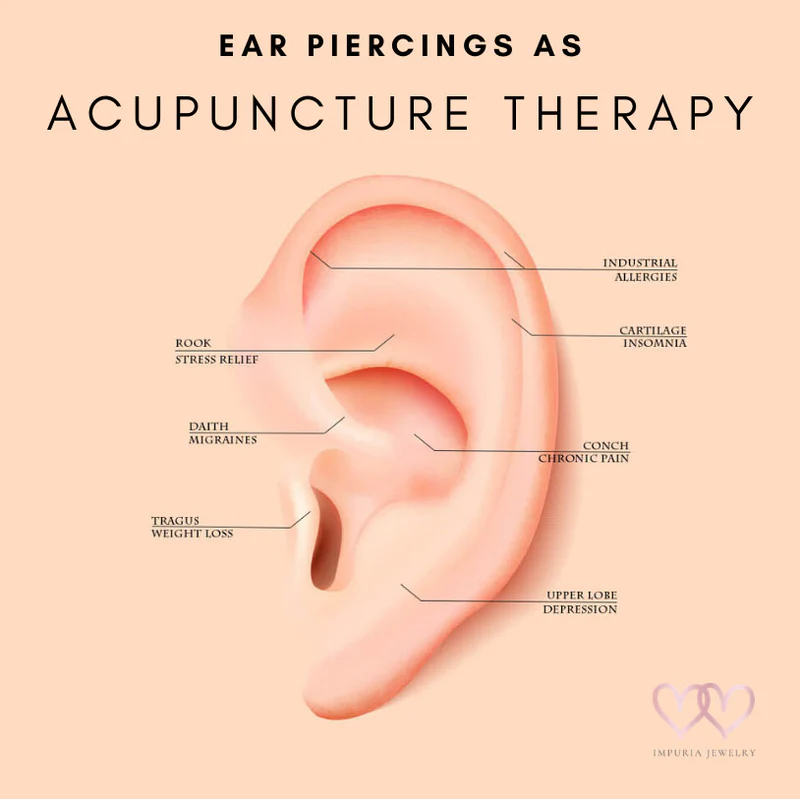
The daith piercing passes through the inner fold of cartilage above the ear canal. It has gained popularity both for aesthetics and anecdotal claims that it may help with migraines.
Its unique location creates an eye-catching look, especially with decorative hoops.
Healing may take 6 to 9 months or longer, and because of its location, cleaning can be slightly challenging.
How Painful Are Ear Piercings?
Pain is one of the most common concerns for first-time clients. The truth is that pain levels vary depending on the location of the piercing and individual pain tolerance.
Lobe piercings are generally considered the least painful because they pass through soft tissue. Most people describe the sensation as a quick pinch followed by mild soreness.
Cartilage piercings such as helix, tragus, and daith can be more uncomfortable because cartilage is denser and more sensitive. The initial piercing may feel sharper, and tenderness can last longer.
Fortunately, the piercing process itself is usually very quick. Most people find that the anticipation is worse than the actual procedure.
Choosing the Right Jewelry for Ear Piercings
Jewelry selection plays a major role in both healing and appearance. Choosing high-quality materials can reduce the risk of irritation and allergic reactions.
Professional piercers often recommend implant-grade titanium, surgical steel, or solid gold for initial jewelry. These materials are generally safe for sensitive skin and less likely to cause complications.
Studs are typically the best option for fresh piercings because they remain stable and reduce movement. Hoops may look attractive, but they can sometimes delay healing if introduced too early.
Size and fit are equally important. Jewelry that is too tight can cause swelling and discomfort, while overly loose pieces may snag or shift during healing.
Essential Ear Piercing Aftercare Tips
Proper aftercare is critical for healthy healing and preventing infection. Even the best piercing can develop complications if neglected.
The most recommended cleaning method involves using a sterile saline solution twice daily. Gently spray or soak the piercing and allow it to air dry.
Avoid touching your piercing unnecessarily. Hands carry bacteria, and frequent touching can introduce infection or irritation.
Sleeping on a new piercing can cause pressure and trauma, especially with cartilage piercings. Using a travel pillow or adjusting your sleeping position can help reduce discomfort.
It’s also important to avoid harsh products such as alcohol, hydrogen peroxide, or ointments, as these can dry out or irritate healing tissue.
Common Ear Piercing Problems and How to Avoid Them
Even with proper care, minor issues can sometimes occur during healing. Knowing what to watch for can help you address problems early.
Irritation bumps are common and often result from pressure, jewelry movement, or accidental snagging. They are not always infections and can usually improve with gentle aftercare.
Infections may present with severe redness, warmth, swelling, and unusual discharge. If symptoms worsen or persist, seeking medical advice is essential.
Jewelry rejection or migration can happen when the body begins pushing the jewelry outward. This is more common in certain cartilage placements and often requires professional evaluation.
The best prevention strategy is choosing an experienced professional piercer, following aftercare instructions, and being patient with healing.
How to Choose a Professional Piercing Studio
Not all piercing studios are created equal, and choosing the right one can greatly affect your experience.
Look for a studio that uses sterilized needles instead of piercing guns. Needle piercings are generally safer, more precise, and less traumatic to the tissue.
The environment should be clean and professional, with visible hygiene practices and proper sterilization equipment.
A skilled piercer should answer your questions, explain the procedure clearly, and help you choose suitable jewelry based on your anatomy.
Reading reviews and checking portfolios can also help you feel confident in your choice.
Styling Your Ear Piercings
Once your piercings have healed, styling them becomes one of the most enjoyable parts of the experience.
Curated ears are currently a major trend, combining multiple piercings with coordinated jewelry. Mixing studs, hoops, and decorative pieces can create a personalized aesthetic.
Minimalist styles often feature delicate gold or silver jewelry for a clean, elegant appearance. Bold styles may include gemstones, chains, or asymmetrical arrangements.
Don’t be afraid to experiment. Ear piercings allow endless creativity, and changing jewelry can instantly refresh your look.
Final Thoughts on Ear Piercings
Ear piercings are more than just a fashion accessory—they’re a form of self-expression that can enhance confidence and individuality. With so many placement options and styling possibilities, there’s truly something for everyone.
The key to a successful piercing experience lies in preparation, professional placement, and consistent aftercare. Taking the time to choose quality jewelry and care for your piercing properly can make all the difference.
Whether you’re getting your first lobe piercing or building an elaborate curated ear, ear piercings offer a beautiful way to celebrate personal style while adding a timeless touch to your overall look.