
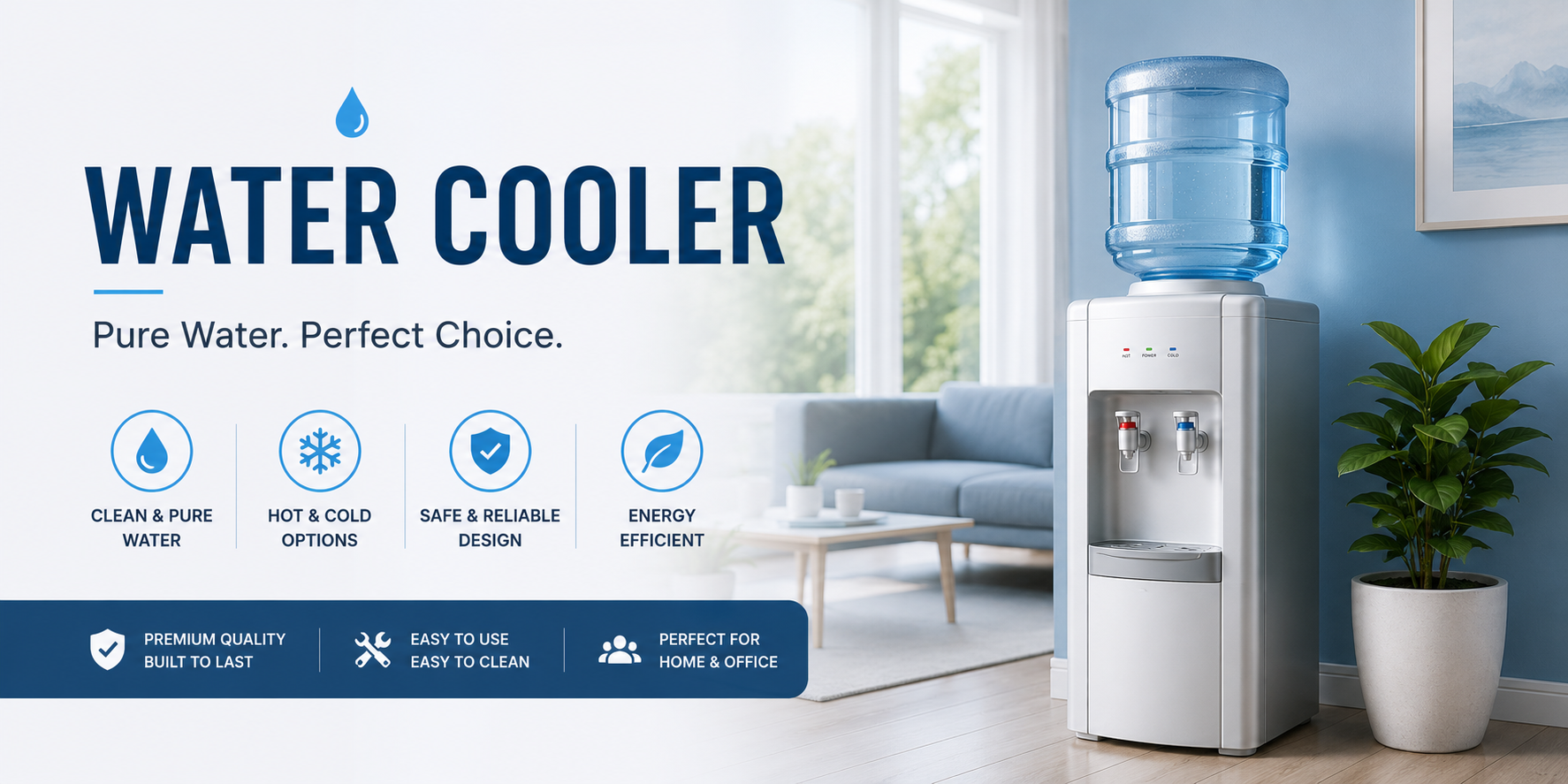
A water cooler is one of those appliances people often overlook until they realize how useful it actually is. Whether placed in an office, school, gym, hospital, or home kitchen, a water cooler provides convenient access to clean, refreshing drinking water throughout the day. In today’s fast-paced lifestyle, staying hydrated is more important than ever, and water coolers make that process easier, faster, and more efficient.
Over the years, water coolers have evolved far beyond the basic machines people remember from older office spaces. Modern water coolers now include advanced filtration systems, temperature controls, energy-saving technology, and sleek designs that fit perfectly into contemporary interiors. Some even offer hot and cold water options, making them useful for everything from making coffee to preparing instant meals.
One reason water coolers remain so popular is their practicality. Instead of constantly purchasing bottled water or relying on refrigerators to chill drinks, users can instantly access cold or room-temperature water whenever needed. This convenience makes water coolers valuable in environments where multiple people need hydration throughout the day.
In this article, we’ll explore the importance of water coolers, the different types available, their benefits, maintenance tips, and why they continue to be a smart investment for both homes and workplaces.
The Importance of Water Coolers in Everyday Life
Hydration plays a critical role in maintaining overall health and productivity. Many people underestimate how much water they should drink daily, especially while working long hours or spending time in warm environments. A water cooler encourages regular hydration by making water easily accessible and readily available.
In office settings, water coolers are more than just appliances. They often become gathering spots where coworkers take short breaks, have casual conversations, and recharge mentally during busy workdays. This is actually where the term “water cooler talk” originated, highlighting the social role these machines have played in workplace culture for decades.
At home, water coolers offer convenience for families who consume large amounts of drinking water each day. Instead of repeatedly filling bottles or storing water jugs in the refrigerator, households can enjoy chilled water instantly. This becomes especially useful during hot summer months when cold water consumption naturally increases.
Water coolers also support healthier habits. When cold, clean water is available nearby, people are less likely to choose sugary drinks or sodas. Easy access to water encourages better hydration, which can improve energy levels, focus, digestion, and overall wellness.
Another important factor is hygiene and water quality. Many modern water coolers include filtration systems that help remove impurities and improve taste. This provides additional peace of mind for users who want reliable drinking water without depending entirely on single-use plastic bottles.
Different Types of Water Coolers
One reason water coolers remain so widely used is the variety of models available. Different environments and user preferences require different types of systems, and manufacturers now offer options suitable for nearly every situation.
The most traditional type is the bottled water cooler. These models use large water bottles, usually placed upside down on top of the unit. They are commonly found in offices, waiting rooms, and commercial spaces. Bottled coolers are popular because they provide purified water without requiring direct plumbing connections.
Another increasingly common option is the bottleless water cooler, also known as a point-of-use cooler. These systems connect directly to a building’s water supply and use built-in filters to purify the water. Many businesses prefer bottleless systems because they eliminate the need to replace heavy water bottles regularly.
Countertop water coolers are ideal for smaller spaces such as apartments, kitchens, or small offices. These compact units provide the same functionality as larger floor-standing models while taking up less room. Their portability and space-saving design make them highly convenient for modern living environments.
There are also hot and cold water coolers that provide multiple temperature options. These models allow users to instantly access cold water for drinking and hot water for tea, coffee, or instant soups. This versatility makes them extremely practical for homes and workplaces alike.
Some advanced water coolers even include touchless dispensing systems, digital controls, and UV purification technology. As consumer expectations continue evolving, manufacturers are incorporating more smart features into modern water cooling systems.
Benefits of Using a Water Cooler
The benefits of owning a water cooler go far beyond simple convenience. One of the biggest advantages is improved hydration. When water is easily accessible and already chilled, people naturally drink more throughout the day. This can contribute to better concentration, reduced fatigue, and improved physical health.
Another major benefit is cost savings over time. While purchasing bottled water regularly may seem inexpensive at first, the costs add up quickly over months or years. A water cooler provides a more efficient long-term solution, especially for families or offices with high water consumption.
Environmental impact is another important consideration. Reusable water cooler systems help reduce plastic waste by minimizing dependence on single-use water bottles. Bottleless systems, in particular, are considered more eco-friendly because they connect directly to filtered water sources without requiring disposable containers.
Convenience also plays a huge role in the popularity of water coolers. Instead of waiting for water to chill in the refrigerator or purchasing cold drinks frequently, users can access refreshing water instantly. In busy offices or households, this simple convenience can make a noticeable difference in daily routines.
Water coolers additionally support workplace productivity. Employees who stay hydrated tend to maintain better focus and energy levels during the day. Small amenities like water coolers may seem minor, but they contribute positively to employee comfort and overall workplace satisfaction.
Lastly, modern water coolers often improve water taste and quality through advanced filtration systems. Clean-tasting water encourages consistent hydration while providing users with additional confidence in the safety of their drinking water.
Choosing the Right Water Cooler
Selecting the right water cooler depends on several important factors. One of the first things people should consider is usage volume. A large office with dozens of employees will require a different system than a small household or personal workspace.
Space availability is another major factor. Floor-standing models are ideal for commercial spaces or large kitchens, while countertop versions work better in smaller environments. Choosing a water cooler that fits comfortably within the available space helps maintain functionality and appearance.
Users should also decide whether they prefer bottled or bottleless systems. Bottled coolers are easy to install and don’t require plumbing, but they involve regular bottle replacements. Bottleless systems are more convenient long-term but may require professional installation depending on the building setup.
Temperature options matter as well. Some people only need cold water, while others may benefit from both hot and cold dispensing features. Households with children often appreciate safety locks on hot water dispensers to prevent accidental burns.
Energy efficiency is becoming increasingly important too. Many newer water coolers include energy-saving modes that reduce electricity consumption during periods of low use. Choosing an energy-efficient model can lower utility costs over time while supporting environmental sustainability.
Maintenance requirements should not be ignored either. Some systems require regular filter changes, cleaning schedules, or bottle replacements. Understanding these responsibilities before purchasing helps ensure long-term satisfaction with the product.
Water Cooler Maintenance and Cleaning Tips
Proper maintenance is essential for keeping a water cooler safe, clean, and functioning efficiently. Although many modern units are designed for low maintenance, regular cleaning still plays a critical role in preventing bacteria buildup and maintaining water quality.
One of the most important maintenance tasks is cleaning the dispenser nozzles and drip trays. These areas experience frequent contact and can accumulate germs or mineral deposits over time. Wiping them regularly with disinfectant helps maintain hygiene.
For bottled water coolers, replacing bottles properly is equally important. Users should always wash their hands before handling water bottles and ensure that bottle caps remain sealed until installation. This reduces contamination risks significantly.
Bottleless systems require filter replacements according to manufacturer recommendations. Filters play a major role in removing impurities and maintaining water taste. Neglecting filter changes can reduce water quality and affect system performance.
Deep cleaning the interior of the cooler every few months is also recommended. Many manufacturers provide cleaning instructions involving vinegar solutions or specialized sanitizing products. Following these guidelines helps extend the lifespan of the appliance while ensuring clean drinking water.
Routine maintenance not only improves hygiene but also protects the investment. A properly maintained water cooler can continue operating efficiently for many years with minimal issues.
Final Thoughts
Water coolers have remained relevant for decades because they provide a simple yet highly valuable service: convenient access to clean drinking water. Whether used in homes, offices, gyms, schools, or healthcare facilities, these appliances continue supporting healthier hydration habits and improving daily comfort.
Modern water coolers now offer advanced features such as filtration systems, hot and cold dispensing, energy efficiency, and touchless operation. These innovations have transformed them from basic appliances into essential lifestyle products suitable for a wide range of environments.
The benefits of using a water cooler are clear. Improved hydration, convenience, reduced plastic waste, cost savings, and better water quality all contribute to their continued popularity. As people become more health-conscious and environmentally aware, the demand for efficient hydration solutions will likely continue growing.
Choosing the right water cooler depends on individual needs, available space, and daily water consumption. With so many options available today, finding a suitable model has become easier than ever.
Ultimately, a water cooler is more than just a machine that dispenses water. It represents convenience, wellness, and practical everyday living — qualities that remain important in both personal and professional environments.