
Introduction
When people hear the term “vampire bat,” they usually imagine a terrifying creature straight out of a horror movie. Thanks to films, myths, and old legends, vampire bats have earned a reputation as dangerous bloodthirsty monsters. In reality, these tiny mammals are far more fascinating than frightening. They play an important role in nature and possess some of the most unique survival adaptations found in the animal kingdom.
Vampire bats are among the few animals on Earth that survive entirely on blood. This feeding behavior, known as hematophagy, makes them incredibly special from a scientific point of view. Despite their unusual diet, these bats are highly intelligent, social, and surprisingly clean animals. Researchers continue to study them because their biology has inspired medical advancements and improved our understanding of animal behavior.
In this article, we will explore everything about vampire bats, including their habitat, feeding habits, behavior, social structure, myths, and their importance in ecosystems. By the end, you may look at these creatures in a completely different way.
What Is a Vampire Bat?
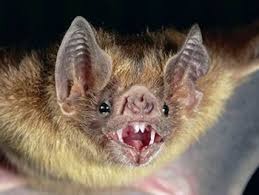
A vampire bat is a small species of bat that feeds primarily on the blood of animals. There are only three known species of vampire bats in the world, and all of them are found in Central and South America. Unlike fictional vampires, these bats do not attack humans regularly, nor do they suck large amounts of blood.
The most common species is the common vampire bat, scientifically known as Desmodus rotundus. These bats are relatively small, usually measuring only a few inches in length with a wingspan of around 7 to 8 inches. Their bodies are covered with soft gray or brown fur, and they have sharp front teeth specifically designed for cutting skin.
One of the most remarkable things about vampire bats is how specialized they are. Their noses contain heat sensors that help them locate blood vessels close to the skin of their prey. They are also excellent walkers compared to other bat species, which allows them to approach animals quietly while feeding.
Where Do Vampire Bats Live?
Vampire bats are mainly found in warm tropical and subtropical regions. Their range extends from Mexico through parts of Central America and deep into South America, including countries like Brazil, Peru, Chile, and Argentina. They prefer environments where food is easily available and where they can find dark, sheltered places to rest during the day.
These bats commonly live in caves, hollow trees, abandoned buildings, tunnels, and old mines. Since they are nocturnal creatures, they spend daylight hours hiding in dark colonies before becoming active at night. Their colonies can range from a few individuals to hundreds of bats living together.
Climate plays an important role in their survival. Vampire bats cannot tolerate extreme cold because their bodies require a steady energy supply from blood meals. This is why they are rarely found in colder regions. As global temperatures continue to change, scientists are closely monitoring whether vampire bat populations may expand into new areas.
How Vampire Bats Feed
The feeding habits of vampire bats are what make them famous. Unlike mosquitoes or leeches, vampire bats do not suck blood directly. Instead, they use their razor-sharp teeth to make a tiny cut in the skin of an animal and then lap up the flowing blood with their tongues.
Their saliva contains a special chemical that prevents blood from clotting. This anticoagulant is so effective that scientists have studied it for medical use, especially in treating strokes and blood circulation problems. The bite itself is usually painless, which means many animals do not even realize they have been bitten.
Vampire bats generally feed on livestock such as cows, horses, pigs, and chickens. In rare situations, they may bite humans, but this is uncommon. A single bat consumes only a small amount of blood during feeding, usually about one tablespoon. However, because they feed frequently, they must locate prey almost every night to survive.
Social Behavior and Intelligence
One of the most fascinating things about vampire bats is their social structure. These animals are far more intelligent and cooperative than most people realize. Researchers have discovered that vampire bats form long-term friendships and even share food with one another.
If a bat fails to find food during the night, another bat may regurgitate blood to help it survive. This behavior is extremely important because vampire bats can starve after only a couple of days without feeding. Their willingness to help each other demonstrates a surprisingly advanced social system.
Communication among vampire bats is also impressive. They use vocal sounds, grooming, and body language to interact with members of their colony. Scientists have found that these bats can recognize individual voices and remember social relationships over time. This level of intelligence places them among the more socially advanced mammals in the wild.
Common Myths About Vampire Bats
Vampire bats have been heavily misunderstood for centuries. Much of their negative image comes from folklore and fictional vampire stories. Movies often portray them as giant flying monsters attacking humans, but the truth is much less dramatic.
One common myth is that vampire bats drink huge quantities of blood. In reality, they consume very small amounts. Another misconception is that they aggressively hunt humans. While bites can happen, especially in remote rural areas, humans are not their preferred food source.
People also assume vampire bats are enormous creatures. Most species are actually quite small and lightweight. Their appearance may look intimidating because of their sharp teeth, but they are not naturally aggressive toward people. Like most wild animals, they avoid human contact whenever possible.
Understanding the difference between myth and reality is important because fear often leads to unnecessary harm against bats. Many bat species around the world are essential for pollination, insect control, and maintaining healthy ecosystems.
Why Vampire Bats Matter to Science
Although vampire bats may seem frightening, they have contributed greatly to scientific research. Their saliva contains a protein called “draculin,” which prevents blood clotting. Researchers have used this discovery to study treatments for heart disease and stroke patients.
Scientists are also interested in vampire bats because of their unique immune systems. Since they consume blood regularly, they are exposed to many bacteria and viruses. Studying how their bodies handle these threats may help researchers understand disease resistance better.
Their social behavior has also become an important subject in animal psychology and behavioral science. The cooperative relationships seen in vampire bat colonies challenge older ideas about animal intelligence and emotional behavior. Some researchers even compare their social bonding to early forms of human cooperation.
In many ways, vampire bats prove that even animals with negative reputations can provide valuable insights into science and medicine.
The Dangers Associated With Vampire Bats
Despite their ecological and scientific importance, vampire bats can create certain problems. One major concern is rabies transmission. Like several other mammals, vampire bats can carry rabies, which can spread to livestock and occasionally humans through bites.
In agricultural regions, repeated feeding on cattle can also cause financial losses for farmers. Because of this, some countries have implemented population control measures to reduce bat-related disease risks. However, experts warn that destroying entire bat populations can upset ecosystems and harm other harmless bat species.
It is important to manage these risks carefully rather than relying on fear-driven actions. Vaccination programs for livestock and better monitoring systems have proven more effective and environmentally responsible than mass extermination campaigns.
Education also plays a major role. When communities understand how vampire bats behave, they are more likely to use safe prevention methods while still respecting wildlife conservation efforts.
Conservation and the Future of Vampire Bats
Like many wildlife species, vampire bats face challenges due to habitat destruction and environmental changes. Deforestation removes natural shelters and disrupts ecosystems that support their survival. Expanding human populations also increase contact between bats and livestock.
At the same time, conservationists emphasize that vampire bats are still part of the natural balance. While they may cause certain issues, they should not be treated as evil creatures. Responsible wildlife management focuses on coexistence rather than elimination.
Scientists continue studying vampire bats to better understand their behavior, biology, and role in nature. As research progresses, public attitudes toward these animals may gradually improve. Many experts believe that education is the key to replacing fear with understanding.
The future of vampire bats will depend largely on how humans choose to balance agriculture, public health, and wildlife conservation. Protecting ecosystems while minimizing disease risks is essential for maintaining biodiversity in tropical regions.
Conclusion
Vampire bats are among the most unique and misunderstood animals in the world. While popular culture often portrays them as terrifying monsters, the reality is much more interesting. These small nocturnal mammals possess advanced survival skills, complex social behaviors, and remarkable biological adaptations.
From their specialized feeding techniques to their contributions to medical science, vampire bats continue to fascinate researchers worldwide. They are not mindless predators but intelligent animals that play a role in their ecosystems. Understanding them helps us appreciate the complexity of nature and the importance of wildlife conservation.
Although they can pose certain health risks, especially through rabies transmission, fear should not overshadow facts. With proper education, scientific research, and responsible management, humans and vampire bats can coexist more safely and responsibly.
In the end, vampire bats remind us that nature is full of creatures that are far more complicated and valuable than myths and legends suggest.