In a world dominated by smartphones, social media, and instant messaging, the concept of a US phone book might seem old-fashioned. Yet, phone books remain surprisingly useful for locating people, verifying business contact details, and accessing public information quickly. Whether you are searching for a long-lost friend, checking a business listing, or learning how phone directories work in the digital age, understanding the role of the US phone book can be incredibly valuable.
While traditional printed directories have declined in popularity,US Phone Book online phone books have transformed how Americans access contact information. Today, digital directories offer faster, more comprehensive search options than ever before. They provide names, addresses, phone numbers, business listings, and sometimes even background information—all within seconds.
This guide explores everything you need to know about the US phone book, from its history and evolution to modern digital alternatives and privacy considerations. By the end, you’ll understand how to use phone books effectively and safely in today’s connected world.US Phone Book
What Is a US Phone Book?
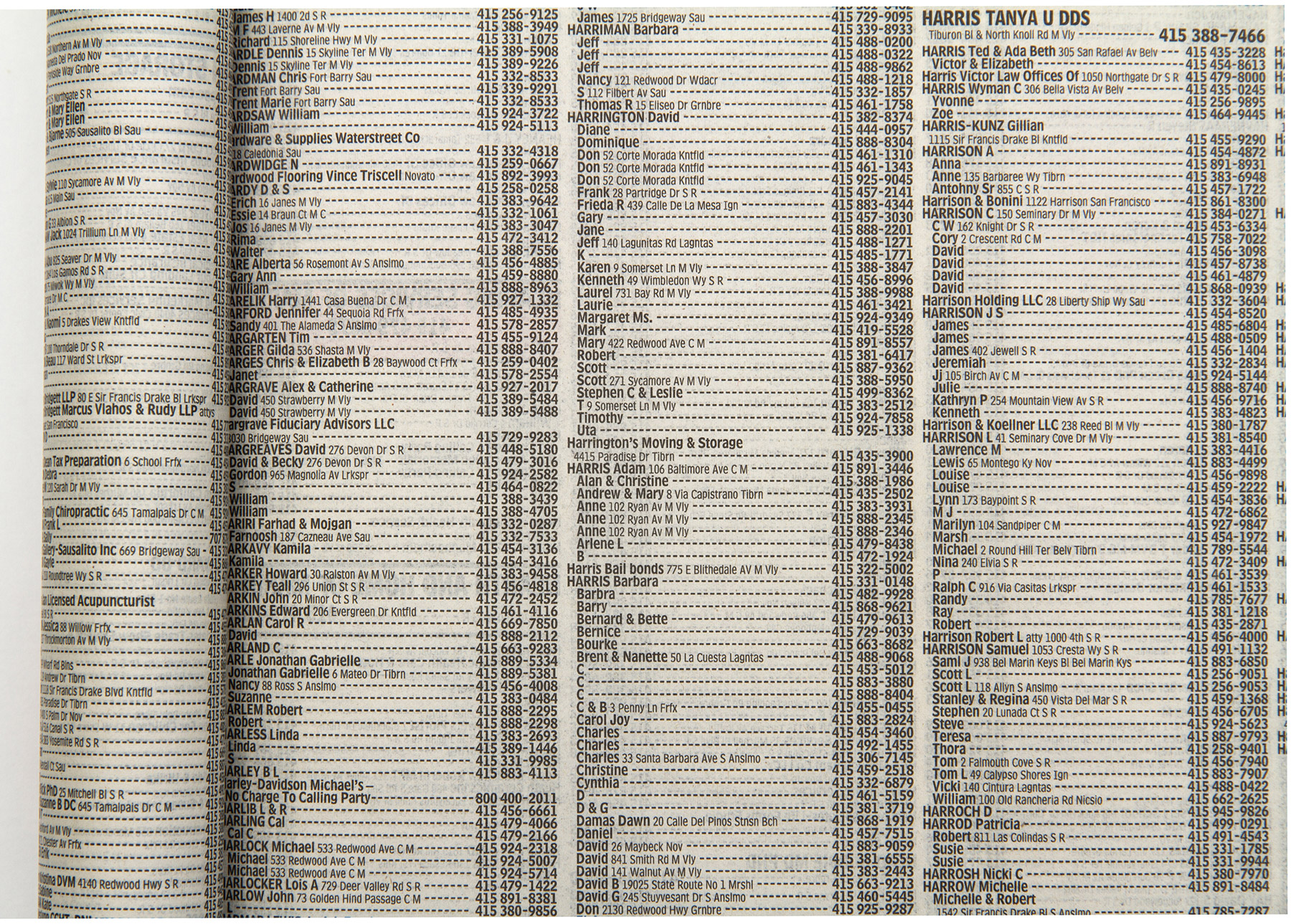
A US phone book is a directory containing telephone numbers, names, and addresses of individuals and businesses across the United States. Historically, these books were delivered physically to homes and offices, serving as an essential communication resource before the internet became mainstream.
Traditional phone books were typically divided into two major sections: the White Pages and the Yellow Pages. The White Pages listed residential contact information alphabetically by surname, while the Yellow Pages organized businesses by category, US Phone Bookmaking it easier for people to find services such as plumbers, doctors, or restaurants.
Today, most phone books exist online rather than in printed form. Digital directories have made searching significantly easier by allowing users to search by phone number, name, or address instantly. This transformation has preserved the utility of phone books while adapting to modern technology.
The History of the US Phone Book
The history of the US phone book dates back to the late 19th century, shortly after the invention of the telephone. The first telephone directories were simple sheets of paper listing a handful of subscribers. As telephone ownership grew, these lists expanded into larger, organized books.US Phone Book
By the mid-20th century, printed phone books had become a household staple across America. Every home and business received a local directory, often updated annually. These books became essential for communication, networking, and commerce.
The rise of the internet in the late 1990s and early 2000s dramatically changed how people accessed contact information. Online search engines and digital directories reduced dependence on physical phone books. Despite this shift, many people still use online phone directories because they provide reliable and structured access to public information.
Understanding White Pages and Yellow Pages
The White Pages were traditionally designed for personal listings. Individuals could find names, addresses, and home phone numbers of residents within a specific geographic area. This made reconnecting with friends or contacting neighbors much easier before social media existed.US Phone Book
The Yellow Pages, on the other hand, focused entirely on businesses. Businesses paid to advertise and list their services under relevant categories. If someone needed a mechanic, lawyer, or dentist, the Yellow Pages offered an organized way to compare options quickly.
Modern online versions still maintain these distinctions, although the lines have blurred. Many digital directories combine residential and business searches into a single platform, improving convenience and accessibility.
How Online US Phone Books Work
Digital phone books operate through extensive databases that collect publicly available information from telecom providers, public records, and user submissions. These platforms allow users to search in multiple ways depending on the information they already have.
One common method is a name search, where users enter a person’s full or partial name along with a city or state. This can generate possible matches, often including addresses and related phone numbers.
Another popular feature is reverse phone lookup. This allows users to enter an unknown phone number and identify the caller. It’s particularly useful for avoiding spam calls, verifying businesses, or identifying missed calls.
Many online phone books also offer business lookup tools, allowing users to search companies by name, category, or location. These tools can provide phone numbers, addresses, websites, and customer reviews.
Popular US Phone Book Websites
Several well-known platforms serve as digital phone books in the United States. Each offers unique features depending on what users need.
Whitepages is one of the most recognized directory services. It provides personal contact information, reverse phone lookups, address verification, and even background reports. Its extensive database makes it a popular choice for both casual and professional use.
Yellow Pages (YP.com) remains a leading source for business information. Users can search for local businesses, read reviews, compare services, and access maps and contact details.
AnyWho, TruePeopleSearch, and Spokeo are also widely used. These services often combine phone directory data with public records, offering more detailed search capabilities. Some features may require payment, especially for advanced background checks.
Benefits of Using a US Phone Book
One of the biggest advantages of using a US phone book is convenience. Instead of searching through multiple websites or social media platforms, users can access verified contact information from a centralized directory.
Phone books are also useful for reconnecting with people. Whether you’re searching for an old classmate, distant relative, or former colleague, a directory search can provide valuable clues such as addresses or phone numbers.
Businesses benefit as well. Being listed in online directories improves visibility, increases credibility, and helps potential customers find contact information quickly. For local businesses, phone directory listings can also support search engine optimization (SEO).
Privacy Concerns and Data Protection
While phone books are useful, they also raise privacy concerns. Many people are surprised to discover that their personal information may be publicly accessible through online directories.
Digital phone books often gather data from public records, utility registrations, and third-party databases. This can include names, addresses, phone numbers, and sometimes family connections.
Fortunately, many directory services offer opt-out options, allowing users to remove or limit their information. If privacy is important to you, it’s worth checking major directory websites to see what information is publicly listed and requesting removal if needed.
Users should also be cautious when using phone book information. Not all data is perfectly accurate, and misuse of personal information can raise ethical and legal issues.
Tips for Using a US Phone Book Effectively
To get the best results, use as much information as possible when searching. Including a city, state, or middle initial can significantly narrow down search results and improve accuracy.
Try multiple directory platforms if one search doesn’t provide enough detail. Different websites use different databases, so cross-checking can be helpful.
Be mindful of scams. Some websites mimic legitimate phone directories but attempt to charge unnecessary fees or collect personal data. Stick to reputable services and avoid providing sensitive personal information unless absolutely necessary.
The Future of the US Phone Book
The traditional printed phone book may be fading, but the concept itself remains relevant. Digital transformation has made phone directories more powerful, searchable, and accessible than ever before.
Artificial intelligence and smarter search algorithms are improving directory accuracy and helping users identify spam callers, verify identities, and locate businesses more efficiently. Voice assistants and mobile apps are also integrating phone directory features into everyday devices.
As privacy regulations evolve, users may gain greater control over how their information appears online. The future of the US phone book will likely balance accessibility with stronger personal data protections.
Final Thoughts
The US phone book has come a long way from bulky printed directories sitting by household telephones. Today, it serves as a powerful digital tool for finding people, verifying businesses, and accessing public contact information quickly and efficiently.
Whether you need to reconnect with someone, verify an unknown phone number, or locate a local business, online phone books remain incredibly useful. Understanding how they work—and how to protect your privacy while using them—can help you make the most of these modern directory services.
Even in a digital-first world, the phone book continues to prove that organized contact information is still an essential resource.