
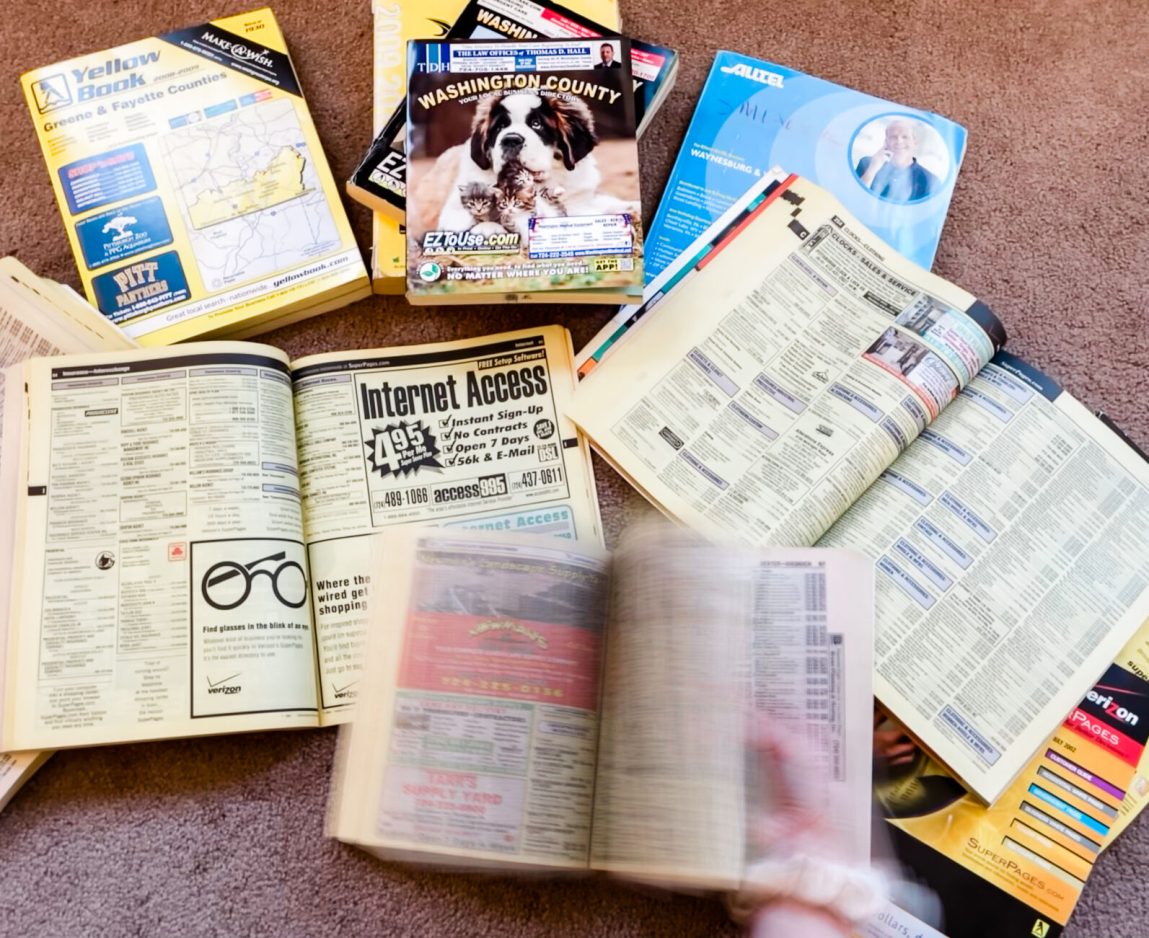
In a world dominated by smartphones, social media, and instant messaging, the traditional US phone book might seem like an outdated concept. However, phone books—and their digital successors—still play an important role in helping people find contact information, verify identities, reconnect with old friends, and even conduct business research.
Whether you’re trying to locate a long-lost relative, identify an unknown caller, or simply understand how modern phone directories work, the US phone book remains a surprisingly useful resource. Today’s phone books are no longer limited to bulky printed directories delivered to your doorstep. They have evolved into online databases, mobile apps, and searchable public record platforms.
This guide explores everything you need to know about the US phone book, from its history and purpose to modern online alternatives and tips for using these resources effectively. By the end, you’ll have a clear understanding of how to navigate phone directories in the digital age.
What Is a US Phone Book?
A US phone book is a directory that lists telephone numbers, names, and addresses of individuals and businesses across the United States. Traditionally, these directories were printed annually and distributed to households by local telephone companies. They served as the primary way to find contact details before the internet became mainstream.
Phone books generally came in two main formats: the White Pages and the Yellow Pages. The White Pages focused on residential listings, providing names, home addresses, and landline numbers. The Yellow Pages, on the other hand, listed businesses categorized by industry, making it easier for consumers to find services like plumbers, restaurants, and lawyers.
Today, most US phone books have moved online. Digital directories offer faster searches, broader access, and additional features such as reverse phone lookup, background checks, and spam caller identification. Despite the decline of printed directories, the concept of the phone book remains highly relevant in modern communication.
The History and Evolution of the US Phone Book
The first telephone directory in the United States was published in the late 1800s shortly after the invention of the telephone. Early directories were simple pamphlets containing only names and locations, as telephone numbers had not yet been assigned.
As telephone networks expanded, phone books became larger and more detailed. By the mid-20th century, nearly every American household received an annual phone directory. These books were essential household tools, often kept near the home phone for easy access.
The rise of the internet dramatically transformed the phone book industry. Companies began digitizing listings, allowing users to search online instead of flipping through printed pages. This shift improved convenience and accessibility while reducing paper waste. Today, online phone directories offer advanced search capabilities far beyond what traditional phone books could provide.
Types of US Phone Books
White Pages
The White Pages are designed for personal listings. They typically include an individual’s full name, address, and landline phone number. Historically, anyone with a home phone could choose to have their information published unless they requested an unlisted number.
Modern digital White Pages often allow users to search by name, city, or state. Some platforms also provide additional details such as age ranges, relatives, and previous addresses.
White Pages are especially useful for reconnecting with people, verifying identities, and locating residential contact information.
Yellow Pages
The Yellow Pages focus on business listings. Companies are organized by category, making it easy to find services in a specific area.
Businesses often pay for enhanced listings or advertisements to improve visibility. These listings may include contact numbers, addresses, websites, business hours, and customer reviews.
Even though online search engines have replaced much of the Yellow Pages’ traditional role, many businesses still rely on digital directory platforms to attract customers.
Reverse Phone Lookup Directories
Reverse phone lookup tools allow users to search for a person or business by entering a phone number rather than a name.
This type of directory is especially helpful when dealing with unknown calls, suspected spam numbers, or identifying missed calls from unfamiliar contacts.
Many online platforms offer free reverse lookups, though more detailed information may require a paid subscription.
How to Use a US Phone Book Effectively
Using a US phone book is easier than ever, especially with online tools. The first step is determining what kind of information you’re seeking—whether it’s a residential number, a business contact, or information about an unknown caller.
For personal searches, entering a full name along with a city or state usually provides the best results. Common names may generate multiple matches, so narrowing the search with additional details can help.
If you’re searching for a business, using category-based directories or business phone books can be more efficient. You can often filter results by location, ratings, and hours of operation.
For reverse lookups, simply entering the phone number can reveal the owner’s identity, location, and sometimes public records associated with that number.
Benefits of Using an Online US Phone Book
One of the biggest advantages of digital phone books is convenience. Instead of manually searching through hundreds of printed pages, users can find information in seconds.
Online directories are also updated more frequently than printed versions, making them more accurate and reliable. This is especially important as people frequently change phone numbers, addresses, or service providers.
Many online phone book platforms include additional tools such as spam alerts, caller reputation scores, and social media links. These features enhance the user experience and provide more context than traditional directories ever could.
Privacy Concerns and Opt-Out Options
While phone books can be useful, they also raise privacy concerns. Many people are surprised to discover how much personal information is publicly accessible through online directories.
Information such as names, addresses, phone numbers, and family associations may be available without explicit permission. Some directories collect data from public records, utility databases, and marketing sources.
Fortunately, many online phone book services allow users to opt out and request removal of their personal information. This process usually involves identity verification and may take several days to complete.
Protecting your privacy means regularly checking popular phone directory websites and removing listings if necessary.
Popular US Phone Book Alternatives
Traditional phone books have largely been replaced by digital alternatives that offer faster and more comprehensive search tools.
Search engines like general web directories can often locate business numbers instantly. Social media platforms also make it easier to find individuals and contact information.
Dedicated people-search websites combine phone listings with public records, property ownership data, and email addresses, creating powerful research tools.
Mobile apps have also transformed how users identify callers, block spam, and manage unknown numbers in real time.
Are Printed US Phone Books Still Available?
Although much less common than they once were, printed US phone books still exist in certain regions. Some local telephone providers continue distributing directories, particularly in communities where residents rely on landlines.
Many organizations also produce specialized directories for government agencies, educational institutions, and local businesses.
However, demand for printed phone books has declined significantly due to environmental concerns and the widespread availability of digital alternatives.
If you prefer a physical directory, you may still be able to request one through local telecom providers or community organizations.
Tips for Finding Accurate Information
Not every phone directory listing is perfectly accurate, especially when relying on free online services. To improve search results, always double-check spelling and include location details when possible.
Try multiple phone book platforms if your first search doesn’t provide useful results. Different databases pull information from different sources.
Be cautious when using paid services and verify their credibility before subscribing. Some websites promise extensive records but offer limited value.
Whenever possible, cross-reference information using official business websites or trusted public records.
Final Thoughts on the US Phone Book
The US phone book has evolved far beyond its paper origins. What was once a thick printed directory has transformed into a sophisticated digital tool capable of helping users locate people, businesses, and important contact information within seconds.
Despite changing technology, the core purpose remains the same: connecting people. Whether you’re performing a simple name search, identifying an unknown caller, or researching public records, modern phone books continue to provide practical value.
Understanding how to use these resources effectively—and responsibly—can save time, improve communication, and even enhance personal safety. While printed phone books may be fading into history, the digital US phone book is here to stay.