
Food recalls are something most consumers rarely think about until a major incident suddenly makes headlines. Recently, Maryland-based Upper Crust Bakery found itself at the center of a serious food safety concern after multiple bread products were recalled across several U.S. states due to possible glass contamination. The recall quickly gained national attention because glass fragments in food can create severe health risks for consumers.
According to reports from the U.S. Food and Drug Administration (FDA), the recall involved frozen bread products distributed in states including Pennsylvania, California, Connecticut, Maryland, Delaware, and Ohio. Authorities classified the issue as a Class II recall, which means the affected products could potentially cause temporary or medically reversible health problems if consumed. (Fortune)
This incident has once again highlighted how important food safety standards are in the commercial baking industry. It also reminds consumers to pay close attention to product recalls and warning notices issued by manufacturers and federal agencies.
What Triggered the Upper Crust Bakery Recall?
The recall began after glass fragments were reportedly discovered on top of certain bread products manufactured by Upper Crust Bakery. Investigations later suggested that the contamination may have originated from sunflower seeds used during production. A bakery employee reportedly identified the issue during routine inspection procedures, which helped prevent potentially larger health consequences. (Scripps News)
While no injuries or illnesses had been reported at the time of the recall announcement, the presence of glass in food products is considered a serious hazard. Even tiny fragments can cause cuts inside the mouth, throat injuries, dental damage, or digestive complications if swallowed. Because of these risks, the FDA moved quickly to alert consumers and retailers about the affected bread products. (Food Safety News)
Food contamination incidents involving foreign materials are relatively uncommon compared to bacterial outbreaks, but they often generate major public concern because of the immediate physical danger they present. In this case, the recall was handled as a precautionary measure to protect consumers before injuries could occur.
Which Bread Products Were Affected?
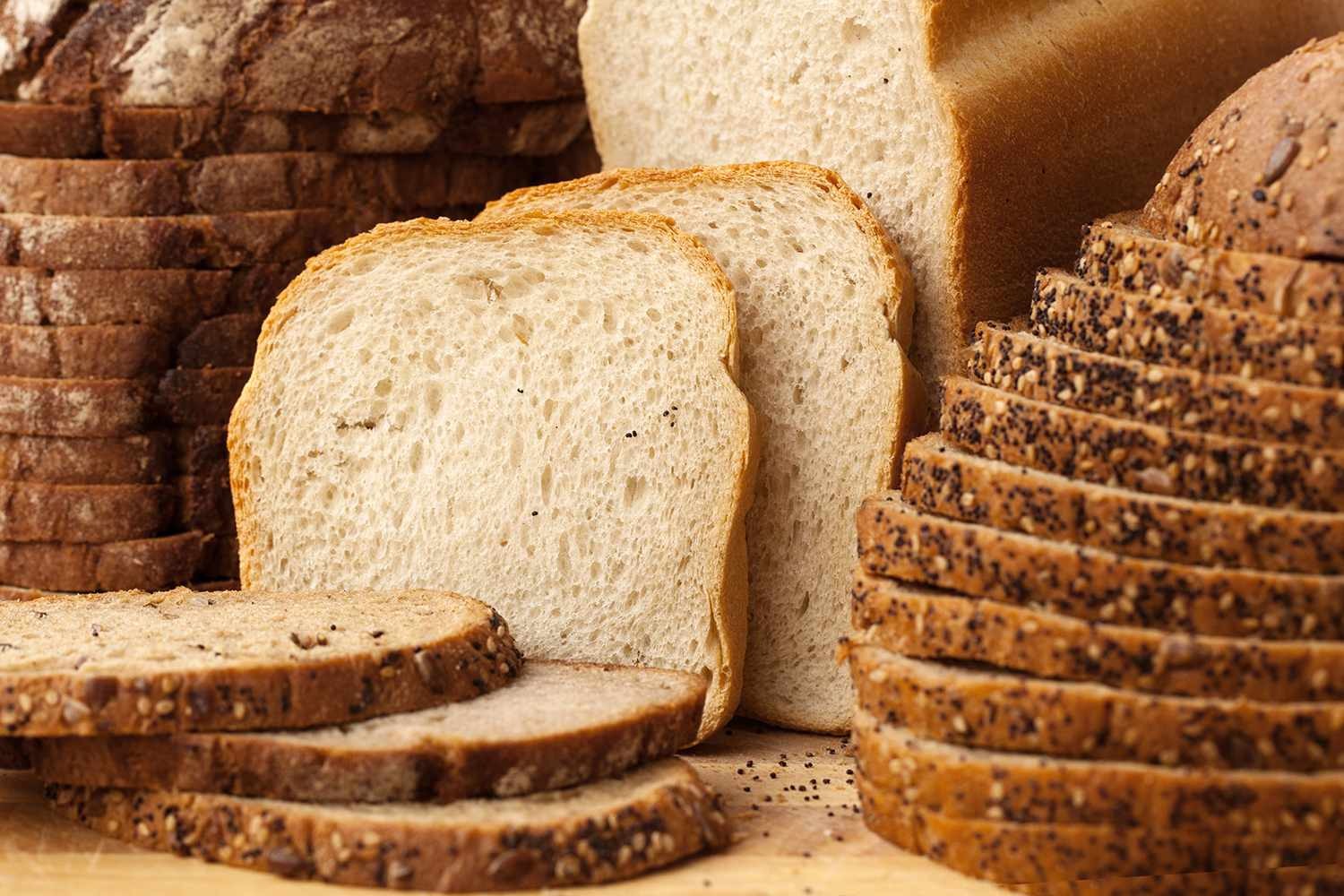
The recall covered three frozen bread products produced by Upper Crust Bakery. These included Ancient Grains Hoagie Rolls, Multigrain Sourdough bread, and Whole Grain Multigrain bread. Reports indicate that more than 800 cases of these products were involved in the recall process. (Fortune)
The Multigrain Sourdough product represented the largest portion of the recall, with nearly 700 cases affected. The products were packaged in corrugated paper cartons and distributed to retail stores across multiple states. Consumers who purchased the bread were advised not to consume it under any circumstances.
One important detail about the recall is that all the affected bread products were sold frozen. This means some customers may still unknowingly have the recalled items stored in home freezers weeks or even months after purchase. That is why food safety officials strongly encouraged consumers to carefully check lot numbers and packaging information before using frozen bread products from the affected batches.
States Impacted by the Recall
The recalled Upper Crust Bakery bread products were distributed in six states across the United States. These states included Pennsylvania, California, Connecticut, Maryland, Delaware, and Ohio. Several grocery stores and retail chains within these states may have received shipments of the recalled products. (Fortune)
Ohio consumers appeared particularly concerned after local reports revealed that some recalled bread products had been sold through regional grocery retailers. Media coverage quickly expanded as shoppers started checking their freezers and pantries for affected items.
The multi-state nature of the recall demonstrates how interconnected modern food supply chains have become. A contamination issue originating in a single production facility can rapidly impact consumers across large geographic regions. This is especially true for frozen bakery products, which are commonly distributed nationwide through wholesale networks.
For many consumers, the incident served as a reminder that even trusted food brands can occasionally face manufacturing problems. It also showed how quickly recalls can spread across multiple states once federal agencies become involved.
Health Risks Associated with Glass Contamination in Food
Glass contamination in food products poses several serious health risks. Unlike bacterial contamination, where symptoms may take hours or days to appear, swallowing glass fragments can cause immediate injuries. Depending on the size and sharpness of the fragments, consumers could suffer cuts to the mouth, throat, gums, or digestive tract. (Food Safety News)
Medical experts warn that ingesting glass may also lead to choking hazards, internal bleeding, or intestinal perforation in severe cases. Even small shards can damage teeth or create painful injuries that require emergency medical treatment.
Because of these dangers, the FDA treats foreign object contamination very seriously. In this case, the recall received a Class II designation, meaning the products could potentially cause temporary or reversible medical issues. However, many experts believe consumers should always treat glass contamination recalls with extreme caution regardless of the official classification level.
Consumers who suspect they may have consumed contaminated food are usually advised to seek immediate medical attention if they experience pain, bleeding, difficulty swallowing, or digestive discomfort.
How the FDA and Upper Crust Bakery Responded
After the contamination issue was identified, Upper Crust Bakery voluntarily initiated the recall process and notified federal authorities. The FDA then published official recall notices to inform retailers, distributors, and consumers about the potential danger. (Food Safety News)
The bakery reportedly stated that the issue was traced back to sunflower seeds supplied by an external vendor. Additional investigations were conducted to determine how the contamination occurred and whether other products may have been affected. According to reports, the company also removed the impacted bread products from store shelves shortly after the recall announcement. (Scripps News)
Food recalls can significantly affect a company’s reputation, especially when consumer safety is involved. However, experts often point out that rapid response and transparency are critical during these situations. By issuing a voluntary recall and cooperating with regulators, companies can reduce the risk of further harm while maintaining public trust.
The FDA also advised consumers to either discard the recalled products safely or return them to the place of purchase for a refund. Retailers were instructed to stop selling the affected bread immediately.
Why Food Recalls Are Becoming More Common
In recent years, food recalls in the United States have become increasingly common. Industry analysts suggest that stricter food safety monitoring, improved testing technologies, and stronger reporting systems are partly responsible for the rise in recall announcements. (Fortune)
Modern supply chains are also far more complex than they were decades ago. A single contaminated ingredient from one supplier can affect products distributed to multiple states or even entire countries. In the Upper Crust Bakery case, investigators reportedly linked the contamination to sunflower seeds supplied by a third-party vendor, showing how vulnerable food manufacturing systems can sometimes be.
Consumer awareness has also increased dramatically because of social media and online news coverage. Recalls that may once have received limited local attention can now become national headlines within hours. This creates additional pressure on food companies to act quickly and communicate clearly with the public.
Despite the growing number of recalls, food safety experts say the overall food system remains highly regulated. Many recalls are precautionary actions taken before injuries or illnesses occur, which ultimately helps protect consumers.
What Consumers Should Do Next
Consumers who purchased frozen bread products from Upper Crust Bakery should carefully review recall information and compare product details with official FDA notices. If the recalled items are found at home, they should not be eaten under any circumstances.
The safest option is to throw the products away securely so nobody accidentally consumes them. Consumers may also return the products to the retailer where they were purchased to request a refund. (Fox Business)
Shoppers should also stay informed about food safety alerts by regularly checking FDA recall updates. Many consumers underestimate how often recalls happen, especially involving frozen foods that can remain stored for long periods.
Ultimately, the Upper Crust Bakery recall serves as an important reminder that food safety requires constant attention from manufacturers, suppliers, regulators, and consumers alike. While no injuries were reported in this incident, the potential dangers linked to glass contamination highlight why immediate recalls and public warnings are absolutely necessary.