
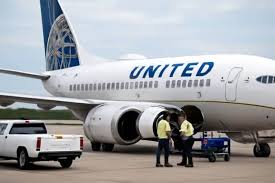
Air travel is generally one of the safest and most reliable ways to travel, but even major airlines occasionally face unexpected technical problems. One topic that recently attracted attention online was the “united airlines charleston mechanical issue.” Passengers, aviation enthusiasts, and frequent travelers all started discussing the incident, raising questions about airline safety, maintenance procedures, and how airlines respond during emergencies.
Mechanical issues involving commercial aircraft can sound alarming, especially when emergency crews are seen near a plane or passengers are evacuated unexpectedly. However, in many situations, these incidents actually demonstrate how strict airline safety systems work in real-world scenarios. Airlines are trained to respond quickly and cautiously, even when the problem may not be life-threatening.
In this article, we will take a detailed look at the reported United Airlines mechanical issue connected to Charleston, what passengers experienced, how the airline industry handles these situations, and what travelers can learn from events like this.
Understanding the United Airlines Charleston Mechanical Issue
Reports surrounding the Charleston incident described a United Airlines flight experiencing a mechanical problem during or shortly after landing at Charleston International Airport. According to local reports, passengers were safely removed from the aircraft while emergency response vehicles arrived on the scene as a precaution.
Although the exact technical failure was not immediately disclosed publicly, airport officials confirmed that a mechanical issue had occurred. Some passengers later described the situation online, mentioning that emergency procedures were followed carefully and that the landing itself remained controlled.
Situations like this can feel dramatic for travelers, especially when emergency slides, fire trucks, or evacuation procedures are involved. However, aviation experts often point out that commercial airlines are designed with multiple layers of backup systems. Even when one component fails, aircraft are typically capable of landing safely.
The Charleston incident also highlighted how airlines prioritize caution. In aviation, even a small warning sign can trigger emergency protocols. That approach may inconvenience passengers temporarily, but it plays a critical role in maintaining passenger safety.
How Airlines Handle Mechanical Problems
Mechanical issues in aviation are handled far differently than car problems or ordinary transportation breakdowns. Airlines operate under extremely strict maintenance standards regulated by aviation authorities such as the Federal Aviation Administration (FAA).
When a pilot or onboard system detects a possible issue, several things happen immediately. The flight crew communicates with maintenance teams and air traffic control while following detailed safety checklists. Depending on the severity of the problem, the aircraft may continue safely, return to the airport, or request emergency support upon landing.
Airlines like United Airlines also perform regular aircraft inspections before and after flights. These checks include engines, hydraulic systems, navigation equipment, landing gear, and many other critical components.
In the Charleston case, emergency crews reportedly responded quickly after the aircraft landed. This type of response is standard procedure whenever there is uncertainty regarding a mechanical problem. Fire trucks and rescue teams are often positioned nearby as a precaution even if there is no visible fire or immediate danger.
Many passengers become nervous when they hear the phrase “mechanical issue,” but aviation professionals often view these responses as evidence that safety systems are functioning exactly as intended.
Why Mechanical Issues Happen in Commercial Aviatio
Modern aircraft are highly advanced machines containing millions of individual components. Even with rigorous inspections and maintenance schedules, occasional technical problems are unavoidable in aviation.
Mechanical issues can range from minor sensor malfunctions to engine warnings or hydraulic system irregularities. In many cases, the issue may not pose a serious danger but still requires immediate attention according to aviation safety protocols.
Weather conditions can also contribute to mechanical strain. Extreme temperatures, turbulence, heavy rain, or strong winds place additional stress on aircraft systems. Airports with high traffic volumes may also experience operational pressure that increases maintenance demands.
Another factor is aircraft age. Some airlines operate newer fleets, while others continue using older aircraft that require more frequent inspections and repairs. However, older planes are not automatically unsafe. Commercial aircraft undergo extensive maintenance throughout their service lives.
Recent years have also seen increased public attention on airline mechanical problems. News coverage and social media often amplify incidents that previously may not have received widespread attention.
While incidents involving United Airlines have drawn headlines in recent years, aviation experts continue to emphasize that commercial air travel remains statistically one of the safest forms of transportation worldwide.
Passenger Reactions and Travel Anxiety
Mechanical issues naturally create anxiety for passengers. Many travelers already experience nervousness during flights, and hearing announcements about technical problems can intensify those fears.
In the Charleston incident, some passengers reportedly described moments of confusion and concern while emergency procedures were being carried out. Social media discussions often included emotional reactions from travelers who were unsure about the seriousness of the situation.
One reason these situations feel stressful is the lack of immediate information. During an active mechanical event, pilots and crew members focus primarily on safety procedures rather than providing detailed explanations. This can leave passengers feeling uncertain.
However, aviation professionals are trained specifically for these situations. Flight attendants regularly complete emergency response training, while pilots practice handling technical failures in advanced simulators throughout their careers.
Passengers often later realize that what felt terrifying during the moment was actually a controlled and carefully managed situation. Emergency evacuations, for example, are designed to move people quickly even if the actual danger level remains relatively low.
For nervous travelers, understanding how much preparation goes into airline safety can sometimes help reduce anxiety about flying.
The Importance of Preventive Maintenance
One of the biggest lessons from incidents like the United Airlines Charleston mechanical issue is the importance of preventive maintenance in aviation. Airlines invest enormous amounts of money and resources into keeping aircraft operational and safe.
Aircraft maintenance is not limited to fixing problems after they occur. Airlines follow scheduled inspection programs that examine planes at specific intervals. Some inspections occur daily, while others require aircraft to be removed from service for extensive testing and repairs.
Modern aircraft also include advanced monitoring systems capable of detecting irregularities before they become serious failures. These systems help maintenance teams identify worn components early and replace them proactively.
Airlines that fail to meet maintenance requirements face severe penalties from aviation regulators. Safety oversight is one of the strictest areas in the transportation industry.
Although passengers may become frustrated by delays caused by mechanical checks, those delays often prevent larger problems later. Pilots and airlines are trained to prioritize safety over schedules, even when it results in cancellations or disruptions.
The Charleston situation serves as a reminder that safety procedures are designed to minimize risk long before passengers face serious danger.
How Mechanical Issues Affect Airline Operations
Mechanical incidents do not only affect passengers on a single flight. They can also create wider operational challenges for airlines.
When an aircraft is removed from service unexpectedly, airlines may need to rearrange schedules, assign replacement planes, or delay connecting flights. This can create ripple effects throughout an airline’s network.
Passengers impacted by these disruptions may face long delays, missed connections, or overnight accommodations. In recent years, travelers have increasingly voiced frustrations online regarding communication and customer service during airline disruptions.
For airlines, balancing operational efficiency with strict safety standards is a constant challenge. Airlines must keep flights moving while ensuring every aircraft meets regulatory safety requirements.
The aviation industry also continues facing broader challenges related to staffing shortages, aircraft delivery delays, and increased travel demand. These factors sometimes place additional pressure on maintenance operations and scheduling systems.
Despite these challenges, airlines remain highly focused on safety because even a single serious incident can damage public trust significantly.
What Travelers Should Do During a Mechanical Incident
Passengers involved in a mechanical issue can take several steps to remain calm and prepared. The first and most important thing is to listen carefully to crew instructions. Flight attendants are trained specifically to manage emergency situations efficiently.
Travelers should avoid spreading rumors or panic during the incident. Social media often causes confusion when unverified information spreads quickly before official updates are available.
Keeping essential items such as medications, identification, and phones easily accessible can also help during unexpected evacuations or delays.
Passengers should also understand that emergency procedures sometimes appear dramatic even when there is no immediate danger. Airlines prefer to overreact rather than underestimate a potential risk.
After the situation is resolved, travelers can usually contact the airline regarding rebooking, compensation policies, or accommodation assistance if delays occur.
Understanding these procedures beforehand can help reduce stress if a flight disruption ever happens unexpectedly.
Final Thoughts
The united airlines charleston mechanical issue became a widely discussed topic because airline safety incidents naturally capture public attention. While events involving mechanical problems may sound alarming, they often demonstrate how carefully the aviation industry approaches passenger safety.
In the Charleston case, passengers were reportedly evacuated safely, emergency crews responded quickly, and no major injuries were publicly reported.
Mechanical issues are an unavoidable part of operating complex aircraft systems, but commercial aviation remains heavily regulated and safety-focused. Airlines, pilots, maintenance crews, and airport responders all work together to manage these situations carefully and professionally.
For travelers, incidents like this serve as reminders that aviation safety protocols exist for a reason. While delays and emergency procedures may feel stressful in the moment, they are designed to protect passengers first and foremost.
As air travel continues evolving, airlines will likely continue investing heavily in maintenance technology, staff training, and operational safety systems to minimize risks and maintain passenger confidence in the skies.