
Introduction
A table is one of the most important pieces of furniture in any home, office, restaurant, or commercial space. No matter where you go, you will almost always find a table serving a useful purpose. From dining with family to working on a laptop, tables are part of everyday life. They may seem simple, but the role they play in comfort, productivity, and interior design is much bigger than most people realize.
Over the years, tables have evolved in style, material, and functionality. Today, you can find tables in countless shapes, sizes, and designs to match every need and personality. Whether you prefer a modern glass table, a rustic wooden table, or a compact folding table, there is something available for everyone.
Choosing the right table is not only about appearance. A good table improves convenience, enhances the beauty of a room, and can even make daily activities easier. In this article, we will explore different types of tables, their uses, materials, styling tips, and how to choose the perfect one for your space.
Different Types of Tables
Dining Tables
Dining tables are among the most commonly used tables in homes. They are the centerpiece of dining rooms and often become the place where families gather for meals and conversations. A dining table should be comfortable, durable, and large enough to fit the household’s needs.
Modern dining tables come in many styles, including rectangular, round, square, and oval shapes. Rectangular tables are ideal for larger families, while round tables work well in smaller spaces because they create a more intimate dining experience. Materials like solid wood, marble, glass, and metal are commonly used in dining table designs.
Many homeowners also focus on matching dining tables with chairs and room décor. A stylish dining table can completely change the atmosphere of a room and create a welcoming environment for guests.
Coffee Tables
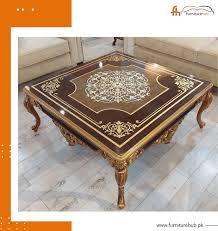
Coffee tables are usually placed in living rooms in front of sofas or seating areas. Although smaller than dining tables, they play a major role in both functionality and decoration. People use coffee tables to place drinks, books, remote controls, and decorative items.
These tables are available in modern, minimalist, vintage, and luxury styles. Some coffee tables even include storage compartments or shelves underneath for added practicality. This makes them especially useful in smaller apartments where storage space is limited.
A well-designed coffee table can bring balance to a living room. Choosing the right height, shape, and material helps create a polished and organized look while still being highly practical for daily use.
Office Tables
Office tables are designed to improve productivity and comfort in work environments. They are commonly used in offices, study rooms, and home workspaces. Since many people spend hours working at a desk, the design of an office table is extremely important.
Modern office tables often include cable management systems, drawers, keyboard trays, and adjustable heights. Some are designed specifically for computers, while others are made for meetings or collaborative work. Ergonomic office tables have become increasingly popular because they help reduce strain on the body.
The right office table can make work easier and more organized. A clean and spacious desk allows better focus and creates a professional environment that encourages efficiency.
Popular Materials Used in Tables
Wooden Tables
Wood is one of the oldest and most popular materials used for tables. Wooden tables are loved for their durability, timeless beauty, and natural appearance. They can fit into almost any interior design style, from traditional to modern.
Solid wood tables are known for their strength and long lifespan. Popular wood types include oak, walnut, pine, and teak. Each type of wood has a unique texture and color that adds character to the furniture. Wooden tables are often considered an investment because they can last for decades with proper care.
Another advantage of wooden tables is their versatility. They can be painted, polished, or refinished over time to maintain their beauty and match changing décor trends.
Glass Tables
Glass tables are often associated with modern and elegant interiors. They create a clean and open appearance, making rooms feel larger and brighter. Glass tables are commonly used as coffee tables, dining tables, and office desks.
Tempered glass is usually used because it is stronger and safer than regular glass. Many glass tables also combine metal or wooden frames for extra support and style. Their sleek appearance makes them especially popular in apartments and contemporary homes.
One of the main benefits of glass tables is their aesthetic appeal. However, they require regular cleaning because fingerprints and dust can easily become visible. Despite this, many homeowners prefer glass tables for their luxurious and stylish look.
Metal Tables
Metal tables are highly durable and often used in industrial-style interiors. They are strong, long-lasting, and resistant to damage, making them suitable for both indoor and outdoor use.
Metal tables are commonly made from steel, aluminum, or iron. They are popular in cafes, offices, and modern homes because of their sleek and minimal design. Some metal tables also combine wood or glass surfaces for a more balanced appearance.
Another benefit of metal tables is their low maintenance. They are easy to clean and can handle heavy use without losing their structural integrity. This makes them a practical option for busy households and commercial spaces.
How to Choose the Right Table
Consider the Size of the Space
One of the first things to consider when buying a table is the size of the room. A table that is too large can make a room feel crowded, while a table that is too small may not be practical for daily use.
Before purchasing, it is important to measure the available space carefully. Leave enough room around the table for chairs and easy movement. In smaller rooms, compact or foldable tables can help maximize space without sacrificing functionality.
Choosing the correct size creates a more comfortable and visually balanced environment. It also ensures that the table serves its purpose efficiently without overwhelming the room.
Focus on Functionality
Every table serves a different purpose, so functionality should always be a priority. A dining table should comfortably seat family members, while an office table should support productivity and organization.
Some tables come with additional features such as storage drawers, extendable surfaces, or adjustable heights. These features can make daily life more convenient, especially in smaller homes where multifunctional furniture is valuable.
Understanding your needs before buying a table helps you make a smarter investment. A functional table not only looks good but also improves comfort and usability.
Match the Interior Style
A table should complement the overall design of a room. Modern interiors often look best with glass or metal tables, while traditional spaces pair well with wooden designs. Color, shape, and texture all play a role in creating visual harmony.
Interior designers often recommend choosing a table that balances existing furniture rather than overpowering it. For example, a simple minimalist table can soften a room with bold décor, while a statement table can become the focal point of a neutral space.
Matching the table with the room’s style creates a cohesive and attractive atmosphere. It also makes the entire space feel more organized and thoughtfully designed.
Caring for Your Table
Regular Cleaning
Keeping a table clean helps maintain its appearance and extend its lifespan. Different materials require different cleaning methods, so it is important to use suitable products.
Wooden tables should be cleaned with soft cloths and wood-friendly cleaners to avoid scratches and fading. Glass tables need streak-free cleaners to maintain their shine, while metal tables can usually be wiped down with a damp cloth.
Regular cleaning not only improves appearance but also prevents long-term damage caused by dust, spills, and moisture.
Preventing Damage
Using coasters, placemats, and protective covers can help prevent scratches, stains, and heat damage. This is especially important for wooden and glass tables, which can be sensitive to sharp objects and hot surfaces.
Avoid placing heavy items on weak sections of the table, and check for loose screws or unstable legs regularly. Small maintenance efforts can significantly increase the durability of a table.
Proper care ensures that a table remains both beautiful and functional for many years.
Conclusion
A table is much more than just a piece of furniture. It is a practical and decorative element that supports daily activities, enhances interior spaces, and brings people together. Whether used for dining, working, studying, or decorating, tables play an essential role in modern life.
With so many designs, materials, and styles available, choosing the right table requires careful consideration of space, function, and personal taste. From elegant glass tables to durable wooden designs, every type offers unique advantages that suit different lifestyles and environments.
Investing in a high-quality table can improve both comfort and aesthetics in any space. By selecting the right design and maintaining it properly, you can enjoy a stylish and functional table for many years to come.