
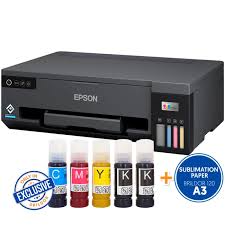
The world of custom printing has grown rapidly over the last few years, and one technology that continues to stand out is sublimation printing. Whether you want to create custom t-shirts, mugs, phone cases, banners, or personalized gifts, a sublimation printer can open the door to countless creative opportunities. From small business owners to hobbyists working from home, many people are turning to sublimation printing because of its vibrant results and professional-quality output.
A sublimation printer works differently from a standard inkjet printer. Instead of simply placing ink on top of a surface, it uses heat to transfer dye directly into the material. This process creates long-lasting designs that resist cracking, peeling, and fading. Because of this, sublimation printing has become extremely popular in industries related to fashion, promotional products, home décor, and personalized merchandise.
In this article, we will explore how sublimation printers work, their advantages, the different types available, how to choose the right one, and why they are becoming essential tools for creative businesses.
What Is a Sublimation Printer?
A sublimation printer is a specialized printer designed to use sublimation ink and transfer designs onto compatible surfaces using heat. The term “sublimation” refers to a scientific process where a substance changes from a solid directly into a gas without becoming liquid first. In printing, this process allows dye to permanently bond with materials instead of sitting on the surface.
The printing process usually begins with a digital design created on a computer. The design is printed onto special sublimation transfer paper using sublimation ink. After that, a heat press is used to apply high temperature and pressure, which transforms the ink into gas. The gas then penetrates the surface of the material and becomes part of it permanently.
One of the biggest advantages of this process is durability. Unlike vinyl or screen printing, sublimation designs do not crack, peel, or wash away easily. The colors remain vibrant even after repeated use and washing, making sublimation ideal for products that need long-term quality.
Another important detail is that sublimation works best on polyester fabrics or specially coated surfaces. Cotton materials generally do not work well unless treated with special coatings designed for sublimation transfers.
Why Sublimation Printing Has Become So Popular
The popularity of sublimation printing continues to grow because it offers a combination of quality, flexibility, and affordability. Many people appreciate how easy it is to create professional-looking products from home or a small workshop.
One major reason for its popularity is print quality. Sublimation produces sharp images with bright and vivid colors. Since the dye becomes part of the material itself, the final result looks smooth and professional without feeling heavy or rough.
Customization is another huge advantage. Businesses can easily create personalized products for customers without needing large production runs. This is especially useful for online stores that sell custom merchandise such as mugs, shirts, tumblers, mouse pads, and phone accessories.
The low startup cost also attracts beginners. Compared to large commercial printing setups, a sublimation business can often start with a modest investment. Many entry-level sublimation printers are affordable and compact enough for home use, making them accessible to creative entrepreneurs.
Another reason for the growing demand is the rise of personalized products. Customers today enjoy buying items customized with names, photos, logos, or unique designs. Sublimation printing allows businesses to meet this demand efficiently and profitably.
How a Sublimation Printer Works
Understanding how a sublimation printer works can help beginners feel more confident when entering the world of custom printing. The process itself is straightforward, although it requires the right materials and equipment.
The first step involves creating or choosing a digital design. This design is usually made using graphic design software. Once completed, the image is printed onto sublimation paper using sublimation ink.
After printing, the transfer paper is placed onto the product surface. A heat press is then used to apply pressure and high temperatures, typically around 350 to 400 degrees Fahrenheit. During this stage, the sublimation ink turns into gas and bonds with the polyester fibers or coated surface.
As the material cools down, the gas returns to a solid state and becomes permanently embedded into the product. The result is a durable, high-resolution design that looks vibrant and professional.
One interesting aspect of sublimation printing is that the transfer becomes part of the material rather than forming a separate layer on top. This is why sublimated products often feel smoother and last longer than other types of printed products.
Types of Sublimation Printers
There are several types of sublimation printers available, and each serves different needs depending on the user’s goals and budget.
Entry-Level Sublimation Printers
These printers are ideal for beginners and home businesses. They are usually compact, affordable, and easy to use. Many entry-level models are converted inkjet printers that support sublimation ink.
These printers are commonly used for smaller products such as mugs, t-shirts, coasters, and keychains. They are perfect for people starting a side business or exploring sublimation as a hobby.
Despite their smaller size, many beginner printers still produce impressive image quality. However, they may have slower printing speeds and smaller paper size limitations compared to professional models.
Professional Sublimation Printers
Professional sublimation printers are designed for larger production volumes and commercial use. These machines support larger print sizes and offer faster printing speeds, making them suitable for growing businesses.
Many professional printers can handle wide-format printing for banners, sportswear, and large fabric designs. They also provide better color consistency and advanced print management features.
While professional printers are more expensive, they are often worth the investment for businesses handling high order volumes or offering a wide range of custom products.
Wide-Format Sublimation Printers
Wide-format printers specialize in large-scale printing projects. These machines are commonly used in textile production, signage, and commercial apparel manufacturing.
They can print oversized designs that smaller desktop printers cannot handle. Businesses involved in sports uniforms, fashion printing, or event banners often rely on wide-format sublimation systems.
Although these printers require significant space and investment, they provide excellent scalability for businesses planning long-term growth.
Benefits of Using a Sublimation Printer
One of the biggest benefits of sublimation printing is image durability. Since the dye bonds directly with the material, the print becomes highly resistant to fading and peeling. This makes sublimation ideal for products exposed to regular washing or outdoor use.
Another advantage is color quality. Sublimation printers produce rich, vibrant colors with impressive detail. Photographic images, gradients, and complex designs often look smoother compared to other printing methods.
The printing process is also relatively clean and efficient. Unlike screen printing, sublimation does not require messy inks or complicated setup procedures. This simplicity allows small businesses to manage production more easily.
Versatility is another major strength. Sublimation can be used on a wide variety of products including apparel, mugs, tumblers, mouse pads, puzzles, phone cases, and home décor items. This gives business owners countless opportunities to expand their product offerings.
Finally, sublimation printing supports on-demand production. Businesses can create products individually instead of producing large inventory batches, which helps reduce waste and storage costs.
Choosing the Right Sublimation Printer
Choosing the right sublimation printer depends largely on your goals, budget, and production needs. Beginners often start with compact desktop models because they are affordable and easier to manage.
One important factor to consider is print size. Smaller printers work well for mugs and t-shirts, but businesses planning to create banners or large apparel designs may need wide-format printers.
Printing speed is another consideration. Hobby users may not mind slower printing times, while businesses handling daily orders may require faster commercial-grade machines.
Ink quality also matters significantly. High-quality sublimation ink produces better color accuracy and durability. Using reliable inks can improve customer satisfaction and reduce printing issues.
Software compatibility is equally important. Make sure the printer works smoothly with your design software and operating system to avoid workflow problems.
Finally, think about long-term business growth. Investing in a slightly more advanced printer may save money later if you plan to expand your product line or production capacity.
Common Mistakes Beginners Make
Many beginners make the mistake of using incorrect materials. Sublimation works best on polyester fabrics or specially coated items. Attempting to print on untreated cotton often leads to disappointing results.
Another common issue is incorrect heat press settings. Temperature, pressure, and pressing time all affect final print quality. Small adjustments can make a big difference in color vibrancy and image sharpness.
Some users also overlook color management. Colors on a computer screen may look different once printed. Using proper color profiles and calibration can help achieve more accurate results.
Poor-quality transfer paper can also affect performance. Investing in reliable sublimation paper improves ink transfer and image consistency.
Lastly, beginners sometimes rush the process without proper testing. Practicing on sample materials first can help reduce mistakes and improve overall print quality.
Final Thoughts
A sublimation printer is one of the most exciting tools available for creative entrepreneurs and custom printing businesses. It offers vibrant colors, professional-quality results, excellent durability, and endless customization possibilities.
Whether you want to start a home-based printing business or expand an existing brand, sublimation printing provides a flexible and profitable solution. From personalized gifts to custom apparel and promotional products, the opportunities are nearly endless.
The key to success lies in choosing the right equipment, understanding the printing process, and practicing consistently. Once you become comfortable with sublimation printing, you can create stunning products that stand out in today’s competitive market.
As demand for customized merchandise continues to grow, sublimation printing is likely to remain one of the most valuable and versatile technologies in the creative industry.