
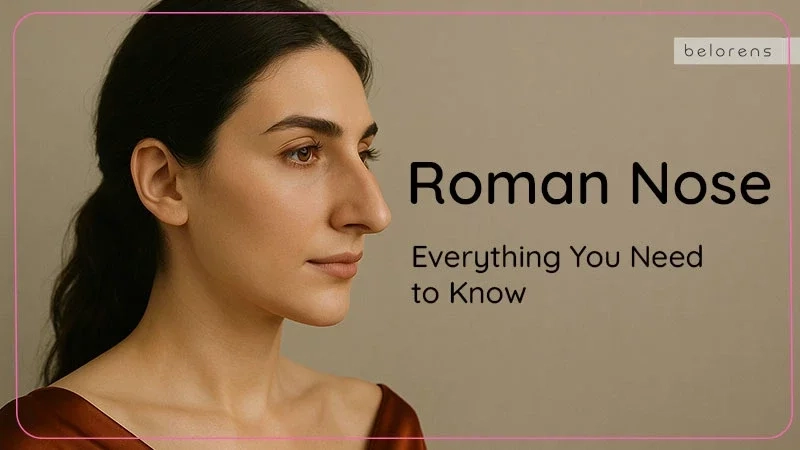
The human face is made up of many defining features, but few are as noticeable—or as fascinating—as the nose. Among the many nose shapes recognized in facial aesthetics, the Roman nose stands out as one of the most distinctive and historically admired. Known for its prominent bridge and strong profile, the Roman nose has long been associated with strength, confidence, and classical beauty.
Whether you’re curious about facial anatomy, beauty standards, or simply wondering if your own nose fits this description, understanding what a Roman nose is can provide interesting insight into both genetics and facial harmony. This nose shape has appeared throughout history in sculptures, portraits, and discussions of physical identity, making it more than just a facial feature—it’s a symbol with cultural significance.
In this article, we’ll explore everything you need to know about the Roman nose, including its defining characteristics, historical associations, genetic factors, and how modern beauty perspectives view this unique facial trait.
What Is a Roman Nose?
A Roman nose, often referred to as an aquiline nose, is characterized by a prominent bridge that may curve slightly outward or downward. The term “aquiline” comes from the Latin word aquilinus, meaning eagle-like, which reflects the nose’s curved and distinguished appearance.
One of the most recognizable aspects of a Roman nose is the bridge. Unlike flatter or straighter nose types, the Roman nose often has a slight bump or convex curve along the nasal bridge. This feature gives the face a more sculpted and defined side profile, which many people find elegant and commanding.
The tip of a Roman nose can vary. In some individuals, it points slightly downward, while in others it remains neutral or rounded. Combined with the prominent bridge, this shape often creates a bold facial structure that naturally draws attention.
Roman noses can appear in people of all ethnic backgrounds, although they are commonly associated with Mediterranean, Middle Eastern, and certain European populations. However, nose shape is highly individual, and many genetic factors contribute to its development.
Key Features of a Roman Nose
Understanding the physical characteristics of a Roman nose can help distinguish it from other nose shapes. While every face is unique, there are several common traits that define this classic nose profile.
The first and most obvious feature is the high, prominent bridge. This bridge typically extends outward in a smooth, slightly curved line rather than remaining completely straight. The curve can be subtle or more pronounced depending on the individual.
Another important feature is facial balance. Roman noses often create a strong central focus on the face, enhancing facial symmetry and adding definition to surrounding features such as the cheekbones and jawline. In many cases, this nose shape contributes to a powerful or mature appearance.
Additionally, Roman noses tend to appear longer than other nose types. This elongated appearance can make the face seem more refined and distinguished, which may explain why classical artists often depicted influential figures with this nose shape.
The Historical Significance of the Roman Nose
The Roman nose carries a rich historical and cultural legacy. Its name originates from ancient Roman sculptures and portraits, where many emperors, military leaders, and philosophers were depicted with this prominent nose shape.
In classical Roman art, facial features often symbolized character traits. A strong, curved nose was frequently associated with leadership, intelligence, and authority. Sculptors intentionally emphasized this shape to convey power and dignity.
Throughout the Renaissance and later European artistic periods, the Roman nose continued to be admired. Portrait painters often highlighted prominent noses as markers of nobility and sophistication, reinforcing the idea that this feature represented status and strength.
Even in modern times, the Roman nose remains culturally significant. Many people view it as a symbol of uniqueness and individuality, especially as beauty standards become more inclusive and diverse.
Roman Nose and Genetics
Like most facial features, the Roman nose is largely determined by genetics. Nose shape is influenced by inherited bone structure, cartilage formation, and overall facial development.
Genetic variations from both parents contribute to nasal shape, making it possible for children to inherit a Roman nose even if only one parent displays similar characteristics. However, because facial genetics are highly complex, predicting exact nose shape can be difficult.
Environmental factors can also influence how the nose develops over time. For example, age can subtly alter the nose’s appearance, as cartilage changes and skin elasticity decreases. This can sometimes make a Roman nose appear more pronounced in adulthood.
Researchers studying facial anthropology often analyze nose shapes to understand ancestral patterns and human adaptation. Certain nose structures, including the Roman nose, may have evolved in response to climate and environmental conditions over generations.
Roman Nose in Modern Beauty Standards
Beauty trends have changed dramatically over time, and today there is growing appreciation for natural and distinctive facial features—including the Roman nose.
For many years, cosmetic beauty standards favored smaller, straighter noses. As a result, some individuals with Roman noses sought surgical procedures to reduce bridge prominence or smooth the nasal profile.
However, recent shifts in fashion, media, and celebrity culture have helped redefine beauty. Many public figures proudly embrace their natural Roman noses, encouraging others to appreciate their unique facial characteristics rather than alter them.
In modeling and photography, Roman noses are often celebrated for adding character and depth to the face. Their strong profile photographs beautifully and can make facial features appear more striking and memorable.
Roman Nose vs. Other Nose Shapes
It can be helpful to compare the Roman nose with other common nose types to better understand its distinct appearance.
A Greek nose, for example, is typically straight from bridge to tip, lacking the outward curve seen in a Roman nose. Greek noses are often associated with classical symmetry and softness.
A button nose is much smaller, with a rounded tip and less prominent bridge. This shape is often considered youthful and delicate, contrasting sharply with the bold definition of a Roman nose.
A hawk nose may resemble a Roman nose but usually features a more dramatic downward curve at the tip. While similar, the Roman nose tends to have a smoother and more balanced profile.
Each nose shape contributes differently to facial aesthetics, and no one shape is universally superior. Personal preference, cultural influences, and individual facial harmony all play a role in how nose shapes are perceived.
Can a Roman Nose Be Changed?
For those interested in altering their nose shape, cosmetic procedures such as rhinoplasty can modify the appearance of a Roman nose. This may involve reducing a dorsal hump, refining the bridge, or adjusting the nasal tip.
Non-surgical options, such as dermal fillers, can also temporarily reshape the nose by smoothing bumps or balancing contours. These procedures are less invasive but require regular maintenance.
That said, many experts encourage individuals to carefully consider their motivations before pursuing cosmetic changes. A Roman nose can be a beautiful and defining feature, often contributing to a person’s unique identity and facial character.
Increasingly, people are choosing to celebrate their natural features rather than conform to narrow beauty ideals. Confidence and self-acceptance often enhance attractiveness more than physical alterations ever could.
Why the Roman Nose Is Worth Appreciating
The Roman nose is more than just a facial characteristic—it carries history, personality, and individuality. Its prominent bridge and elegant profile have been admired for centuries, from ancient Roman statues to modern fashion editorials.
Rather than viewing nose shapes through the lens of perfection, it’s more meaningful to appreciate how they contribute to overall facial uniqueness. A Roman nose can convey confidence, sophistication, and strength in ways that more conventional features may not.
As beauty standards continue to evolve, distinctive traits like the Roman nose are gaining the recognition they deserve. What was once considered unconventional is now increasingly celebrated as a mark of authenticity and natural beauty.
Ultimately, whether you have a Roman nose or simply admire the feature, understanding its significance reveals just how much character a single facial detail can bring to the human face.
Final Thoughts
The Roman nose remains one of the most recognizable and respected nose shapes in facial aesthetics. Defined by its prominent bridge and classical profile, it has deep roots in history, genetics, and cultural symbolism.
Far from being a flaw, the Roman nose is often a defining feature that adds individuality and strength to a person’s appearance. As modern beauty continues to embrace diversity, this distinctive nose shape is being appreciated more than ever.
Every face tells a story, and for many people, the Roman nose is a proud part of that narrative—bold, elegant, and undeniably timeless.