
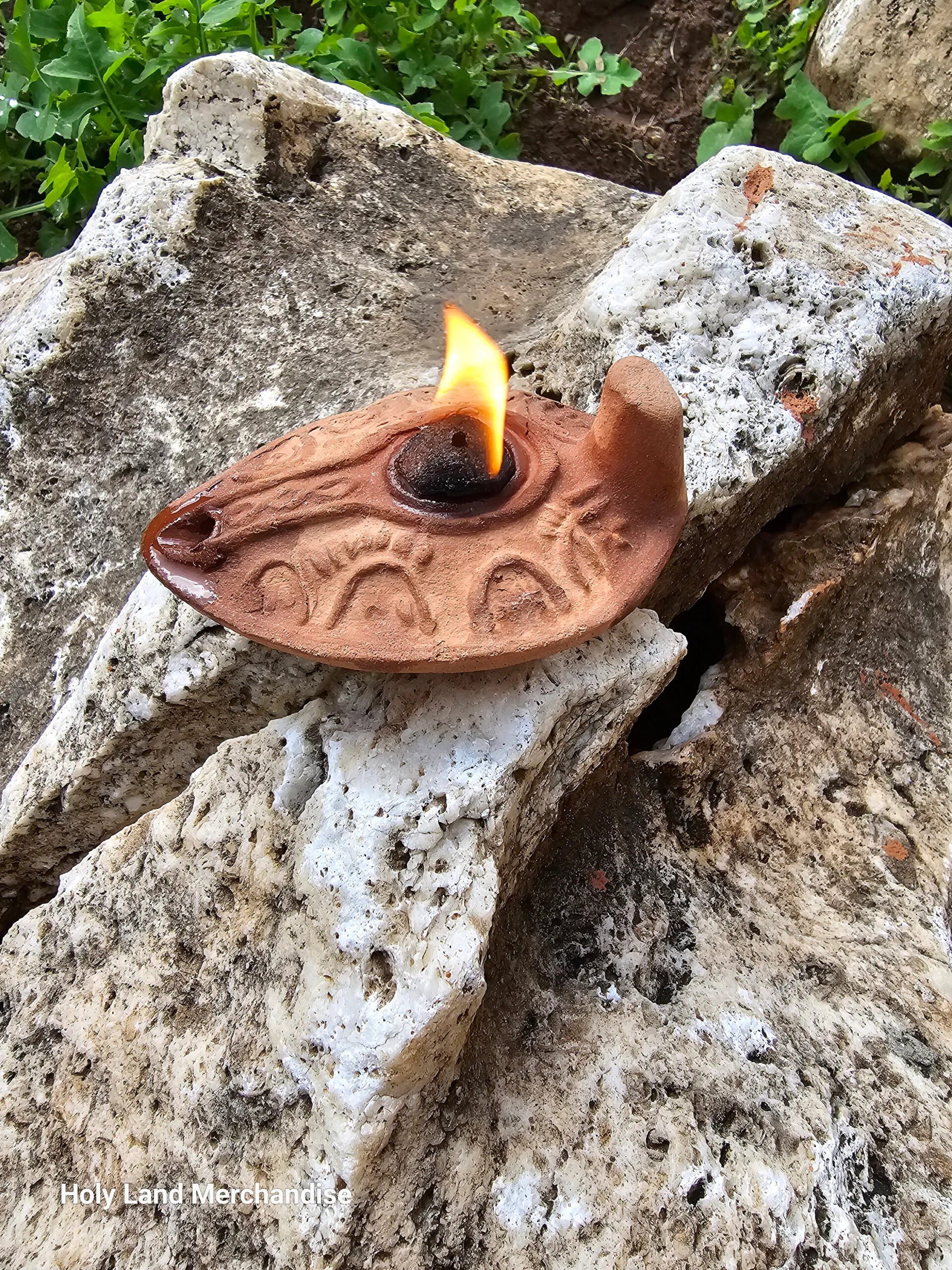
Introduction to the Oil Lamp
The humble oil lamp is one of the oldest lighting tools ever created by humanity. Long before electricity transformed homes and cities, people relied on oil lamps to brighten their nights, cook food, read books, and perform daily tasks after sunset. Even today, oil lamps continue to hold cultural, decorative, and practical value in many parts of the world. Their warm glow creates an atmosphere that modern electric lighting often struggles to replicate.
An oil lamp works through a simple but effective mechanism. It usually contains a container filled with fuel oil and a wick that absorbs the oil. When the wick is lit, the flame burns steadily by drawing fuel upward. Despite its simplicity, this invention played a major role in the development of civilizations. Ancient societies used oil lamps in homes, temples, streets, and ceremonies, making them an important part of human history.
In modern times, oil lamps are appreciated not only for emergency lighting but also for decoration and ambiance. Many people use them during camping trips, outdoor dinners, religious festivals, and power outages. Their timeless appeal comes from a blend of tradition, practicality, and elegance that has survived for thousands of years.
The Fascinating History of Oil Lamps
The history of oil lamps dates back thousands of years. Archaeologists have discovered primitive oil lamps made from stone and shells that were used during prehistoric times. Early humans used animal fat as fuel and simple moss or plant fibers as wicks. These basic designs eventually evolved into more sophisticated lamps as civilizations advanced.
Ancient Egyptians, Greeks, and Romans all developed their own styles of oil lamps. Roman oil lamps, in particular, became highly detailed and artistic. They were often made from clay or bronze and decorated with symbols, patterns, and scenes from mythology. In many cultures, oil lamps represented wisdom, spirituality, and prosperity. They were commonly used in religious ceremonies and sacred rituals.
During the Middle Ages and beyond, oil lamps continued to evolve with improved materials and fuels. Whale oil, olive oil, and kerosene became popular choices depending on the region and era. By the 19th century, the invention of kerosene lamps brought brighter and more efficient lighting to homes across the world. Although electric bulbs later replaced them in most households, oil lamps never completely disappeared and remain cherished today.
Different Types of Oil Lamps
Oil lamps come in many shapes, sizes, and styles. One of the most traditional types is the clay oil lamp, which has been used for centuries in religious and cultural ceremonies. These lamps are often handmade and valued for their rustic appearance and historical significance. In countries like India and Pakistan, small clay lamps are commonly lit during festivals and celebrations.
Glass oil lamps are another popular type. These lamps became especially famous during the Victorian era and are still widely collected today. Glass oil lamps often feature decorative designs, colorful patterns, and elegant chimneys that protect the flame. Many homeowners use them as vintage decor pieces that add character to living spaces.
Modern oil lamps are designed with both style and safety in mind. Stainless steel and metal lamps are commonly used for outdoor activities like camping and hiking because they are durable and resistant to damage. Some modern versions even combine traditional oil-burning systems with contemporary aesthetics, making them suitable for both practical use and interior decoration.
How Oil Lamps Work
The working mechanism of an oil lamp is surprisingly simple yet highly effective. The lamp contains a fuel reservoir filled with oil such as kerosene, olive oil, or lamp oil. A wick is partially submerged in the fuel, allowing it to absorb the liquid through capillary action. Once the wick is lit, the heat vaporizes the fuel at the top of the wick, creating a stable flame.
The size of the flame can usually be adjusted by raising or lowering the wick. A properly adjusted wick produces a clean and steady light with minimal smoke. However, if the wick is too high, the lamp may create soot and excessive smoke. This is why regular maintenance and proper wick trimming are important for efficient operation.
Many traditional oil lamps include a chimney or glass cover. This component helps protect the flame from wind while improving airflow around the wick. Better airflow results in a brighter and cleaner burn. Although the technology is ancient, the science behind oil lamps demonstrates a clever understanding of fuel combustion and airflow management.
Popular Fuels Used in Oil Lamps
Different types of fuels can be used in oil lamps, depending on the design and purpose of the lamp. Olive oil was one of the earliest fuels used by ancient civilizations. It burned relatively cleanly and was widely available in Mediterranean regions. Even today, some people prefer olive oil for traditional or ceremonial lamps.
Kerosene became one of the most common lamp fuels during the 19th and 20th centuries. It produces a bright flame and is relatively inexpensive. However, kerosene lamps require proper ventilation because they can emit fumes if used incorrectly. Despite this, kerosene remains popular in rural areas and during emergencies.
Modern lamp oils are specially refined for indoor use. These oils are designed to burn cleaner and produce less odor compared to traditional fuels. Scented lamp oils are also available for decorative purposes, allowing users to combine lighting with pleasant fragrances. Choosing the right fuel is important because it directly affects the brightness, cleanliness, and safety of the lamp.
Decorative and Cultural Importance of Oil Lamps
Oil lamps hold deep cultural and symbolic meaning in many societies. In South Asian traditions, lighting an oil lamp is often associated with positivity, purity, and spiritual enlightenment. Festivals such as Diwali prominently feature rows of glowing oil lamps that symbolize the triumph of light over darkness.
In Western cultures, antique oil lamps are admired as decorative collectibles. Many people display vintage lamps in homes, restaurants, and hotels to create a warm and nostalgic atmosphere. Their soft, flickering light adds charm that modern LED lighting often cannot replicate.
Oil lamps are also commonly used in religious settings. Churches, temples, and shrines frequently use them during prayers and ceremonies. The gentle flame is seen as calming and sacred, making oil lamps more than just a source of illumination. Their emotional and spiritual significance continues to keep them relevant in modern times.
Advantages of Using Oil Lamps
One major advantage of oil lamps is their independence from electricity. During power outages, storms, or emergencies, oil lamps provide reliable lighting without needing batteries or electrical connections. This makes them especially useful in remote areas or during natural disasters.
Another benefit is their aesthetic appeal. The warm glow of an oil lamp creates a relaxing and cozy environment that electric lights often fail to match. Many people use oil lamps during dinners, outdoor gatherings, or quiet evenings to create a peaceful atmosphere.
Oil lamps are also durable and long-lasting when properly maintained. A high-quality lamp can remain functional for decades, and many antique lamps are still usable today. Because of their simple design, repairs and maintenance are usually straightforward, making them practical as well as beautiful.
Safety Tips for Using Oil Lamps
While oil lamps are useful and attractive, safety should always be a priority. Lamps should be placed on stable surfaces away from curtains, paper, and other flammable materials. Leaving a burning lamp unattended can increase the risk of accidental fires.
Using the correct fuel is another important safety measure. Some fuels are specifically designed for oil lamps, while others may produce dangerous fumes or excessive smoke. Always follow the manufacturer’s recommendations and store fuel in safe containers away from heat sources.
Regular cleaning and wick maintenance are also essential. A dirty wick can produce smoke and uneven flames. Trimming the wick properly helps the lamp burn efficiently and safely. With proper care and responsible use, oil lamps can remain both safe and highly effective.
Oil Lamps in Modern Life
Even in the age of advanced technology, oil lamps continue to have a place in modern society. Many campers and outdoor enthusiasts carry oil lamps because they are reliable and easy to use. Unlike battery-powered lanterns, they do not depend on charging or electronics.
Interior designers also appreciate oil lamps for their vintage and rustic charm. A carefully chosen oil lamp can serve as a striking centerpiece in a living room, dining area, or patio. Antique collectors often search for rare and beautifully crafted lamps that reflect different historical periods.
Additionally, oil lamps are increasingly valued for sustainable and minimalist lifestyles. Some people enjoy the simplicity of traditional lighting methods and use oil lamps to reduce dependence on electricity. Their enduring popularity proves that old inventions can still hold relevance in the modern world.
Conclusion
The oil lamp is far more than an ancient lighting tool. It represents history, culture, craftsmanship, and practicality all in one simple invention. From prehistoric stone lamps to elegant modern designs, oil lamps have illuminated human life for thousands of years and continue to do so today.
Their warm glow, decorative beauty, and usefulness during emergencies make them valuable even in an age dominated by electricity. Whether used for tradition, decoration, camping, or backup lighting, oil lamps offer a timeless experience that connects the modern world with the past.
As people continue to appreciate vintage aesthetics and sustainable living, the charm of the oil lamp is unlikely to fade. It remains a symbol of warmth, comfort, and human creativity that has successfully stood the test of time.
You May Also Read