
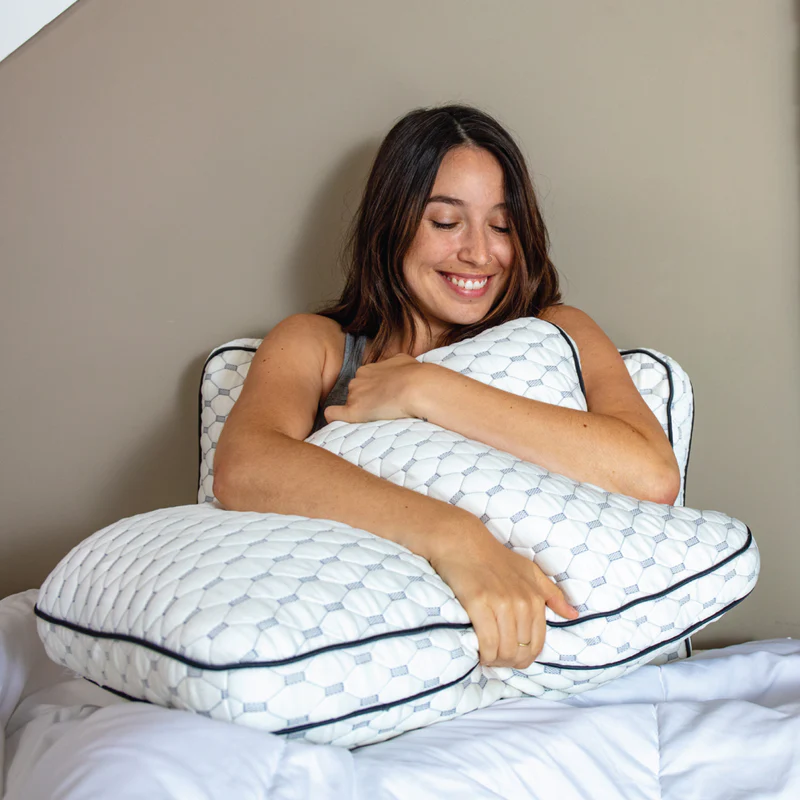
A memory foam pillow is one of the most popular sleep accessories designed to improve comfort and support during sleep. Made from special temperature-sensitive foam, it adapts to the shape of your head and neck, helping maintain proper spinal alignment and reduce pressure points.
What Is a Memory Foam Pillow?
A memory foam pillow is made from viscoelastic polyurethane foam, a material that responds to heat and pressure. When you lie on it, the pillow slowly molds to your body shape and then returns to its original form when not in use.
This adaptive design makes it different from traditional cotton or fiber pillows, which often lose shape over time.
How Does Memory Foam Work?
Memory foam reacts to body heat and weight. When pressure is applied:
- The foam softens and contours to your shape
- It distributes weight evenly
- It reduces pressure on the neck and shoulders
Once pressure is removed, it slowly returns to its original shape, hence the name “memory foam.”
Benefits of a Memory Foam Pillow
Memory foam pillows are widely used because they offer several sleep benefits.
1. Excellent Neck and Spine Support
The pillow supports the natural curve of the neck, helping reduce stiffness and pain.
2. Pressure Relief
It evenly distributes body weight, reducing pressure points that can cause discomfort.
3. Improved Sleep Quality
Better support leads to fewer sleep disruptions and deeper rest.
4. Long-Lasting Shape
Unlike regular pillows, memory foam does not flatten quickly.
5. Suitable for Different Sleep Positions
It works well for side, back, and some stomach sleepers depending on the design.
Types of Memory Foam Pillows
There are several types of memory foam pillows available in the market:
Solid Memory Foam Pillow
Made from a single block of foam, offering firm and consistent support.
Shredded Memory Foam Pillow
Filled with small pieces of foam, allowing adjustability and better airflow.
Contour Memory Foam Pillow
Shaped with curves to support the neck and head alignment more precisely.
Gel Memory Foam Pillow
Includes cooling gel layers to help regulate temperature and reduce heat buildup.
Who Should Use a Memory Foam Pillow?
A memory foam pillow is ideal for:
- People with neck or shoulder pain
- Individuals who struggle with poor sleep posture
- Side and back sleepers
- Those looking for long-term pillow durability
It is especially helpful for people who wake up feeling stiff or uncomfortable.
Possible Drawbacks
While memory foam pillows are highly effective, they may not suit everyone:
- Some people find them too firm
- They can retain heat if not designed with cooling features
- New pillows may have a slight odor initially
However, modern designs often address these issues with ventilation and cooling technology.
How to Choose the Right Memory Foam Pillow
When selecting a memory foam pillow, consider:
Pillow Height
Choose a height that keeps your neck aligned with your spine.
Firmness Level
Soft, medium, or firm options are available based on comfort preference.
Cooling Features
Look for gel-infused or ventilated foam if you tend to overheat.
Sleeping Position
Different designs are better suited for side, back, or stomach sleepers.
How to Care for a Memory Foam Pillow
Proper care helps extend its life:
- Use a removable pillow cover
- Avoid washing the foam directly with water
- Air it out regularly to maintain freshness
- Keep away from direct sunlight for long periods
Final Thoughts
A memory foam pillow is a smart investment for anyone looking to improve sleep comfort and posture. Its ability to adapt to the body, relieve pressure, and support proper alignment makes it one of the best choices for modern sleep solutions. While it may take time to adjust, many users find it significantly improves their overall sleep quality.