
Introduction
A hazmat suit is one of the most important pieces of protective equipment used in dangerous environments. Whether it is a chemical spill, biological contamination, industrial accident, or medical emergency, these suits help protect workers from hazardous substances that could seriously harm their health. Over the years, hazmat suits have become essential in industries such as healthcare, firefighting, chemical manufacturing, construction, and emergency response.
Most people became familiar with hazmat suits during global health emergencies when medical staff and emergency workers were often seen wearing them. However, these suits have been used for decades in environments where exposure to toxic materials is common. Their purpose is simple but extremely important: to create a barrier between the wearer and harmful substances.
Understanding how hazmat suits work, the different types available, and why they are necessary can help businesses and workers make better safety decisions. In this article, we will explore everything you need to know about hazmat suits in a practical and professional way.
What Is a Hazmat Suit?
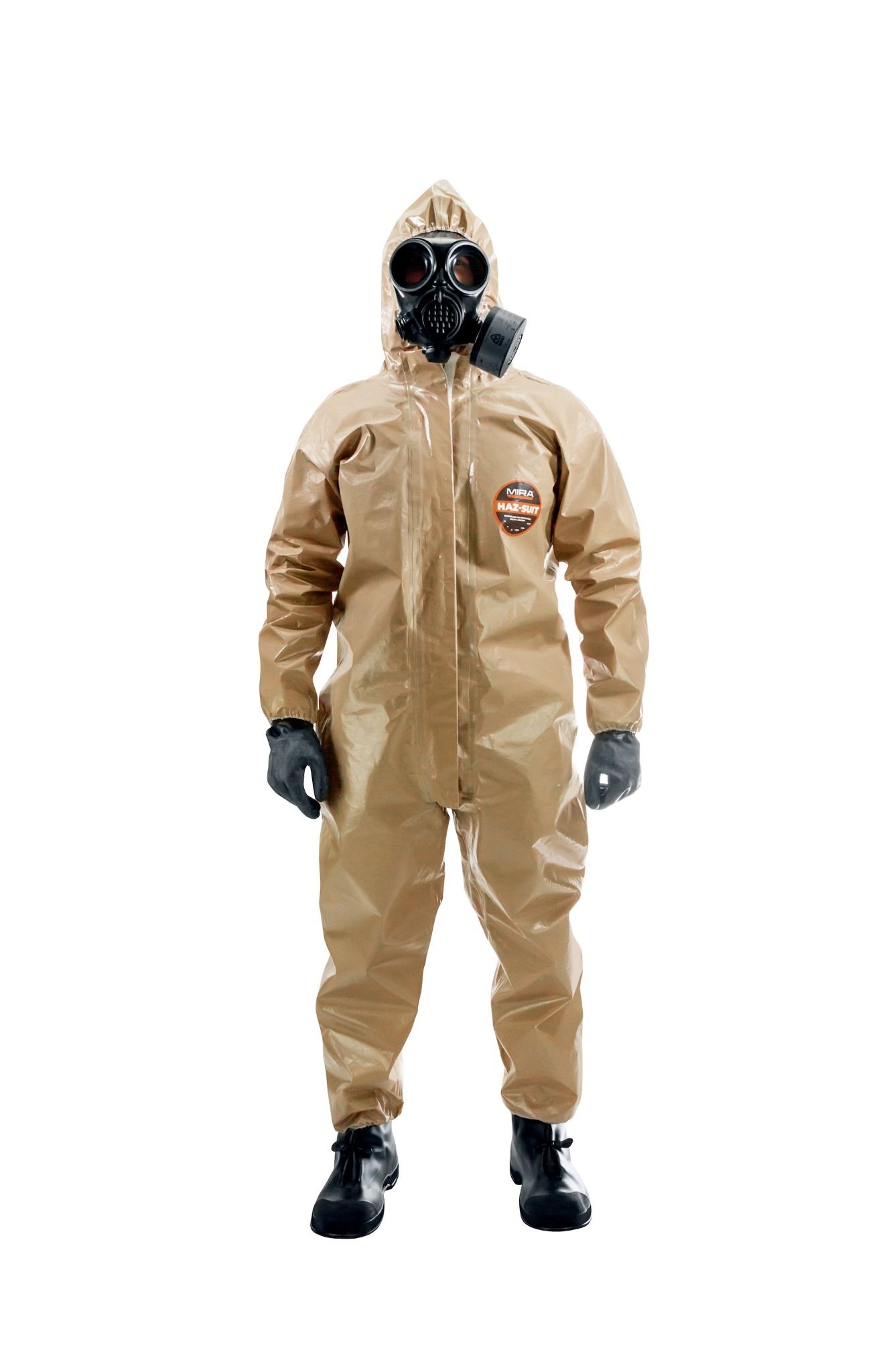
A hazmat suit is a full-body protective garment designed to shield the wearer from hazardous materials. The word “hazmat” stands for hazardous materials, which can include chemicals, biological agents, radioactive substances, or toxic particles. These suits are carefully designed to prevent dangerous materials from reaching the skin, eyes, lungs, or clothing.
Hazmat suits are usually made from specialized materials that resist penetration from liquids, gases, and airborne particles. Depending on the level of protection required, some suits are lightweight and breathable, while others are fully sealed and include their own air supply. The design of the suit depends on the type of risk the user may face.
These suits are commonly worn with additional protective equipment such as gloves, respirators, helmets, boots, and face shields. Together, these items create a complete protective system. In high-risk situations, the suit alone is not enough without proper breathing protection and contamination control procedures.
Types of Hazmat Suits
Hazmat suits are not all the same. Different environments require different levels of protection. Safety organizations usually classify hazmat suits into several levels based on the degree of risk involved.
Level A Hazmat Suits
Level A suits provide the highest level of protection. They are fully enclosed and vapor-tight, meaning harmful gases and vapors cannot enter the suit. These suits are often used during chemical emergencies, toxic gas leaks, or unknown hazardous situations.
Workers wearing Level A suits usually carry a self-contained breathing apparatus. This provides clean air independently from the surrounding environment. Because these suits are completely sealed, they can become heavy and uncomfortable during long operations.
Despite the discomfort, Level A suits are essential in situations where exposure to highly dangerous substances could be life-threatening. Emergency response teams and hazardous material specialists frequently rely on this level of protection.
Level B Hazmat Suits
Level B suits offer strong respiratory protection but slightly less skin protection than Level A suits. These are commonly used when the airborne hazard is serious, but the risk of skin exposure is lower.
These suits are often used by firefighters, industrial cleanup crews, and emergency responders dealing with toxic environments. They provide flexibility while still offering substantial protection from harmful materials.
Level B suits are generally more comfortable than Level A suits, allowing workers to perform tasks more efficiently during longer operations. However, proper training is still necessary to use them safely.
Level C and D Hazmat Suits
Level C suits are designed for situations where the type of hazardous material is known and air-purifying respirators are sufficient. These suits are common in industrial workplaces and healthcare settings where contamination risks are controlled and monitored.
Level D suits provide the lowest level of protection and are mainly used in environments with minimal hazards. They function more like standard protective work clothing rather than fully specialized hazmat equipment.
Even though Level C and D suits are less complex, they still play an important role in maintaining workplace safety and reducing contamination risks in everyday operations.
Common Uses of Hazmat Suits
Hazmat suits are used in many industries and emergency situations around the world. Their importance continues to grow as workplaces become more focused on health and safety regulations.
In healthcare, hazmat suits protect doctors, nurses, and medical staff from infectious diseases and biological hazards. During outbreaks and pandemics, these suits become critical for preventing the spread of contamination between patients and healthcare workers.
Industrial facilities also rely heavily on hazmat suits. Chemical plants, oil refineries, and manufacturing factories often expose workers to dangerous chemicals and toxic substances. Protective suits reduce the risk of accidents and long-term health problems.
Emergency response teams use hazmat suits during chemical spills, gas leaks, fires, and disaster recovery operations. In these situations, quick action is necessary, and protective equipment allows responders to safely manage dangerous conditions while protecting themselves and the public.
Materials Used in Hazmat Suits
The effectiveness of a hazmat suit depends greatly on the materials used to manufacture it. Different materials offer varying levels of resistance against chemicals, heat, moisture, and biological threats.
Many suits are made from synthetic materials such as Tyvek, PVC, rubber, or polyethylene. These materials are selected because they can resist penetration from hazardous substances while remaining durable and flexible. Some advanced suits include multiple layers for enhanced protection.
Comfort is also an important factor in suit design. Workers may need to wear hazmat suits for several hours, often in physically demanding environments. Manufacturers try to balance protection with mobility and breathability to reduce heat stress and fatigue.
Technology continues to improve hazmat suit materials. Modern designs are lighter, stronger, and more resistant to extreme conditions than older versions. This allows workers to move more efficiently without sacrificing safety.
Importance of Proper Training
Owning a hazmat suit is not enough. Proper training is essential to ensure the suit provides effective protection. Many workplace accidents occur because equipment is used incorrectly or safety procedures are ignored.
Workers must learn how to properly wear, remove, inspect, and dispose of hazmat suits. Incorrect removal procedures can lead to contamination exposure even after the dangerous task is complete. This is why decontamination processes are a major part of hazmat safety training.
Training also helps workers understand the limitations of their equipment. Not every suit protects against every hazard. Choosing the wrong level of protection can create serious risks during hazardous operations.
Employers are responsible for providing regular safety training and ensuring all protective equipment meets current safety standards. Proper preparation can save lives during emergencies.
Challenges of Wearing Hazmat Suits
Although hazmat suits provide excellent protection, they can also create physical and mental challenges for workers. Wearing a fully sealed suit for long periods can be exhausting, especially in hot environments.
Heat buildup is one of the most common issues. Because many suits are airtight, body heat can quickly accumulate inside the suit. This may lead to dehydration, fatigue, or heat stress if workers are not monitored carefully.
Communication can also become difficult while wearing a hazmat suit and respirator. Limited visibility, restricted movement, and breathing equipment may slow down work performance and increase stress during emergencies.
Despite these challenges, modern safety improvements continue to make hazmat suits more comfortable and efficient. Better ventilation systems, lighter materials, and improved ergonomic designs are helping workers perform their duties more safely.
Future of Hazmat Suit Technology
The future of hazmat suits looks promising as technology continues to evolve. Researchers and manufacturers are developing smarter protective equipment with enhanced comfort and safety features.
Some newer hazmat suits include built-in cooling systems, communication devices, and advanced filtration technology. These improvements help reduce worker fatigue and improve operational efficiency during dangerous missions.
There is also growing interest in reusable and environmentally friendly protective suits. Traditional disposable suits can create large amounts of waste, especially during large-scale emergencies. Sustainable alternatives may become more common in the future.
As industries continue to face new biological and chemical threats, hazmat suit technology will remain a critical part of global workplace safety and emergency preparedness.
Conclusion
Hazmat suits are far more than simple protective clothing. They are lifesaving tools designed to protect workers from some of the most dangerous substances and environments in the world. From healthcare facilities and chemical plants to emergency response operations, these suits play a vital role in modern safety systems.
Understanding the different types of hazmat suits, their uses, and the importance of proper training helps organizations maintain safer workplaces and respond effectively during emergencies. As technology advances, hazmat suits will continue to improve, offering better protection, comfort, and efficiency for workers across many industries.
Whether used during a chemical spill, medical outbreak, or industrial operation, the value of a high-quality hazmat suit cannot be overstated. In hazardous environments, proper protection is not optional—it is absolutely essential.