
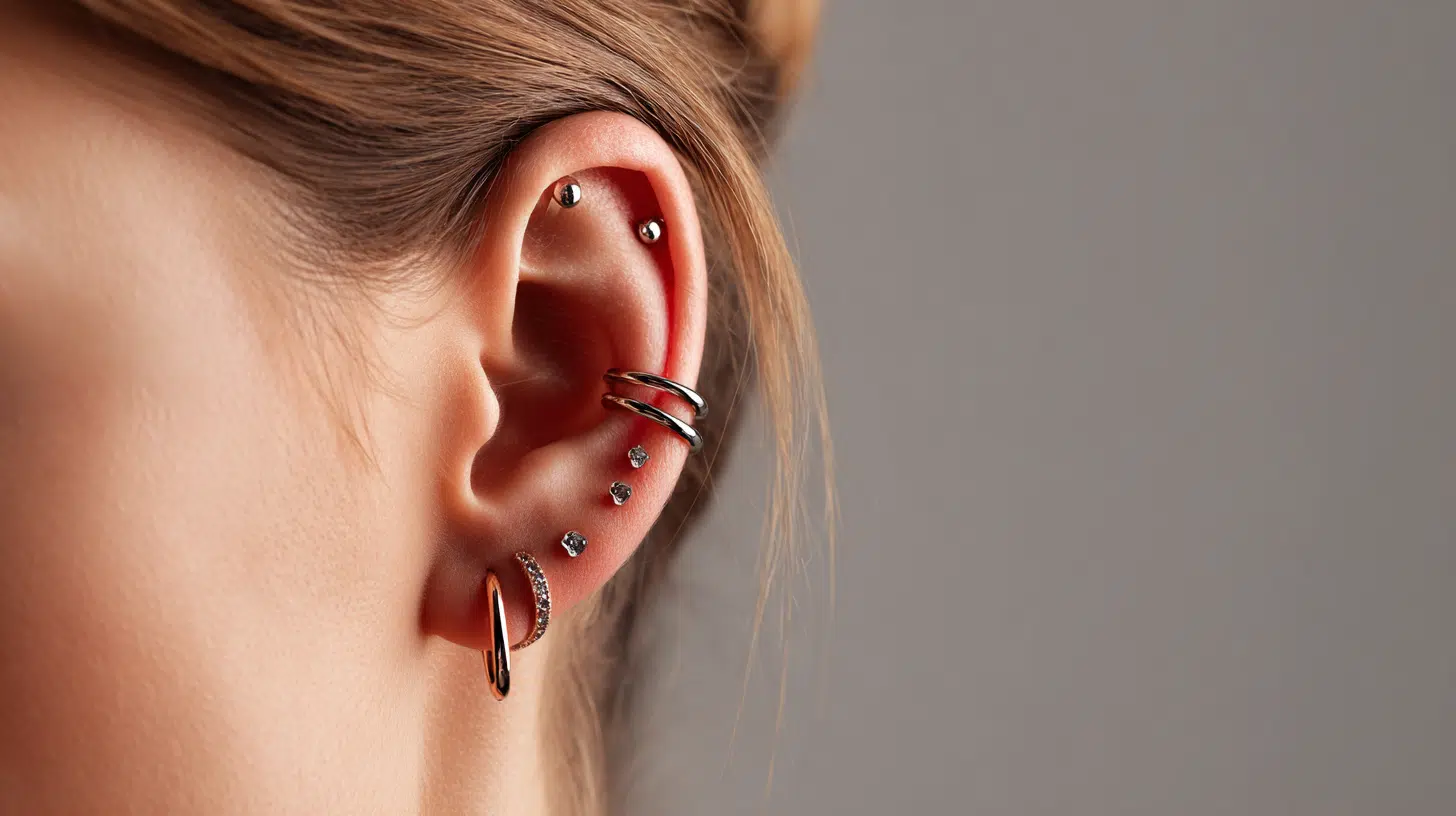
Ear piercings have become one of the most popular forms of self-expression, allowing people to showcase their personality through unique jewelry and stylish placements. From classic lobe piercings to trendy cartilage combinations, ear piercings can transform your entire look with just a small touch. Whether you’re getting your first piercing or planning a curated ear stack, understanding the process, healing, and proper care is essential.
In recent years, ear piercing trends have evolved beyond simple studs. Multiple piercings, asymmetrical designs, and layered jewelry combinations have become fashion statements. But while ear piercings can be beautiful and exciting, they also require thoughtful planning and proper aftercare to avoid complications.
This guide covers everything you need to know about ear piercings—from the different types and pain levels to healing times and expert aftercare tips. If you’re considering a new piercing or simply want to care for your existing ones better, this article will help you make informed decisions.
Understanding Ear Piercings and Why They’re So Popular
Ear piercings have been part of human culture for thousands of years. Across different societies, they have symbolized beauty, status, identity, and tradition. Today, they are mostly seen as a fashionable and personal form of self-expression.
One reason ear piercings remain so popular is their versatility. Unlike other body piercings, ear piercings can be subtle, bold, elegant, or edgy depending on the jewelry and placement. You can keep things minimal with a single stud or create an artistic ear design with multiple piercings.
Another major factor is accessibility. Ear piercings are generally affordable, relatively quick, and widely available at professional piercing studios. Since the ears offer multiple placement options, they allow endless customization that suits every personality and aesthetic.
Different Types of Ear Piercings
Choosing the right type of ear piercing can feel overwhelming because there are so many options available. Understanding the most common placements can help you decide what suits your style and pain tolerance.
Lobe Piercing
The lobe piercing is the most traditional and beginner-friendly option. Located on the soft lower part of the ear, it is usually the least painful and heals faster than cartilage piercings.
Lobe piercings are ideal for first-time piercees because they offer flexibility in jewelry choices. You can wear studs, hoops, dangly earrings, and decorative pieces once healing is complete.
Multiple lobe piercings are also very popular. Double and triple lobe piercings can add dimension and create a stylish layered look.
Helix Piercing
A helix piercing is placed along the upper outer cartilage of the ear. This has become one of the trendiest ear piercings in recent years.
Helix piercings can be done as single, double, or even triple placements, allowing creative combinations. Small hoops and minimalist studs are common jewelry choices.
Healing takes longer than lobe piercings because cartilage receives less blood flow. Patience and careful cleaning are especially important.
Tragus Piercing
The tragus is the small flap of cartilage partially covering the ear canal. A tragus piercing offers a subtle yet stylish appearance.
Many people love this piercing because it adds uniqueness without being overly noticeable. Tiny gemstone studs or delicate flat-back jewelry look especially elegant here.
Though the pain level can be moderate due to cartilage thickness, many find the final result worth the temporary discomfort.
Conch Piercing
The conch piercing sits in the inner or outer central cartilage of the ear. It can create a bold statement, especially when paired with larger hoops.
Inner conch piercings typically feature studs, while outer conch piercings can support rings that wrap around the ear beautifully.
This piercing works well as part of a curated ear design and pairs nicely with helix and lobe combinations.
Daith Piercing
The daith piercing passes through the innermost cartilage fold above the ear canal. It has gained attention not only for aesthetics but also because some people believe it may help with migraine relief, though scientific evidence remains limited.
Its unique location makes it visually striking and perfect for decorative hoops.
Healing can be challenging due to the piercing’s hidden placement, requiring consistent cleaning and avoiding unnecessary touching.
How Painful Are Ear Piercings?
Pain is one of the biggest concerns people have before getting pierced. The truth is that pain varies depending on the piercing location, your personal tolerance, and the skill of the piercer.
Lobe piercings are usually described as a quick pinch and are considered the least painful option. Most people feel only brief discomfort.
Cartilage piercings such as helix, tragus, and conch tend to be more intense. The sensation may feel like pressure followed by throbbing or tenderness for a few days afterward.
Although the procedure itself lasts only seconds, proper aftercare plays a major role in minimizing prolonged discomfort.
Choosing a Professional Piercing Studio
Selecting the right piercer is one of the most important steps in ensuring a safe and successful ear piercing experience.
Always choose a licensed professional piercing studio rather than a mall kiosk or jewelry store using piercing guns. Needle piercings are more precise, hygienic, and generally less traumatic to the tissue.
A reputable piercer should use sterilized equipment, wear gloves, and explain the procedure clearly. They should also provide detailed aftercare instructions and answer all your questions.
Checking reviews, certifications, and studio cleanliness can help you avoid infections and poor placement outcomes.
Ear Piercing Healing Time
Healing time depends on the type of piercing and how well you care for it.
Lobe piercings typically heal within 6 to 8 weeks. However, changing jewelry too early can delay healing or cause irritation.
Cartilage piercings usually require 3 to 12 months for full healing. Even if the outside looks healed, the internal tissue may still be sensitive.
Healing can vary from person to person. Factors like sleep habits, immune health, and accidental trauma can all affect recovery time.
Essential Ear Piercing Aftercare Tips
Proper aftercare is the key to healthy healing and preventing complications.
Clean your piercing twice daily using a sterile saline solution. Avoid alcohol or hydrogen peroxide, as these can dry out and irritate the skin.
Do not touch your piercing unnecessarily. Hands carry bacteria that can introduce infection, especially during the early healing stage.
Avoid sleeping directly on fresh cartilage piercings. Pressure can cause swelling, bumps, or crooked healing. A travel pillow can help reduce contact while sleeping.
Hair products, makeup, and dirty pillowcases can also irritate healing piercings. Keeping your environment clean supports faster recovery.
Common Ear Piercing Problems and Solutions
Even with good care, minor issues can sometimes arise during healing.
Swelling and Redness
Mild swelling and redness are normal in the first few days. Cold compresses and saline cleaning can help reduce discomfort.
If swelling worsens or lasts longer than expected, consult your piercer or a medical professional.
Piercing Bumps
Small bumps near cartilage piercings are common and often caused by irritation or pressure.
Avoid changing jewelry too soon and continue gentle saline cleaning. Removing the source of irritation usually helps the bump disappear over time.
Infection Signs
Persistent pain, excessive swelling, yellow discharge, or heat around the piercing may indicate infection.
Seek professional medical advice promptly rather than removing the jewelry yourself, as improper removal can trap infection inside.
Choosing the Best Jewelry for Ear Piercings
Jewelry quality matters just as much as the piercing itself.
Implant-grade titanium, surgical steel, and solid gold are among the safest materials for new piercings. These reduce the risk of allergic reactions and irritation.
Avoid cheap metals that may contain nickel, especially if you have sensitive skin.
Start with simple, lightweight jewelry to support healing. Once your piercing fully heals, you can experiment with different styles and combinations.
Styling Your Ear Piercing Collection
Curated ears are a growing fashion trend where multiple piercings are arranged thoughtfully for a balanced and stylish look.
Mixing hoops, studs, and gemstones can create visual interest. Combining different textures and sizes makes your ear design feel personalized.
Many people prefer asymmetrical arrangements, where each ear has a different setup. This adds creativity and uniqueness to your overall appearance.
Consulting with a professional piercer can help you plan placements that complement your ear anatomy beautifully.
Final Thoughts on Ear Piercings
Ear piercings are more than just accessories—they’re a form of personal expression and style. Whether you choose a simple lobe piercing or a bold curated cartilage design, the key to success lies in proper planning and responsible aftercare.
Taking the time to select a skilled piercer, high-quality jewelry, and a consistent cleaning routine will help ensure a smooth healing process and beautiful results.
With so many ear piercing options available, there has never been a better time to explore new styles and create a look that feels uniquely yours. A well-chosen ear piercing can become a lasting part of your identity and a subtle way to showcase your personality every day.