
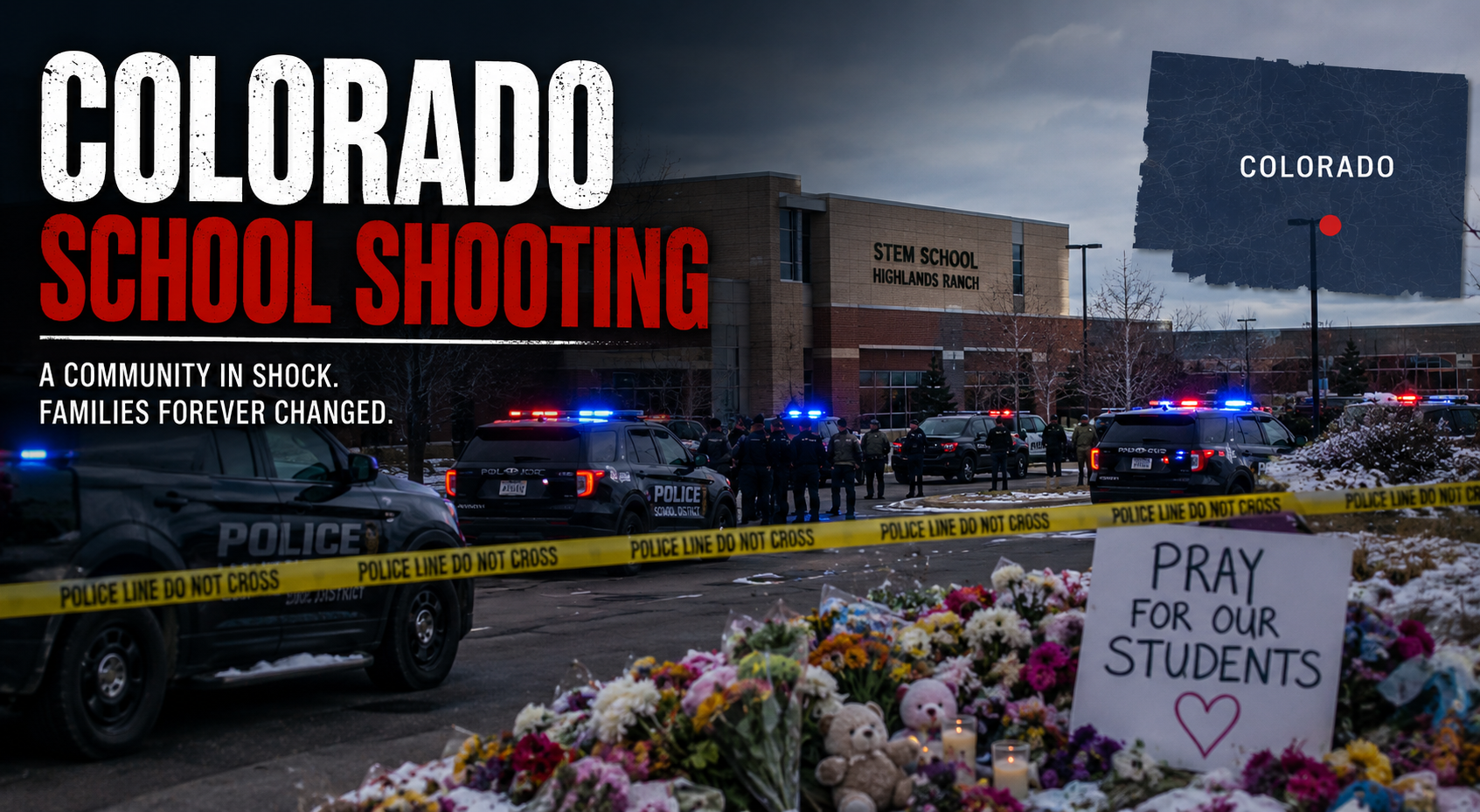
School shootings remain one of the most painful and emotional topics in the United States, and every incident leaves a deep mark on students, families, teachers, and entire communities. The phrase “Colorado school shooting” often brings attention to several tragic events that have shaped public conversations about school safety, mental health, gun laws, and violence prevention. Over the years, Colorado has unfortunately become connected with some of the most widely discussed school shooting incidents in American history.
The impact of these tragedies extends far beyond the immediate victims. Entire communities experience fear, grief, confusion, and long-term emotional trauma. Students who survive these incidents often struggle with anxiety, depression, and post-traumatic stress for years afterward. Parents become increasingly concerned about their children’s safety, while educators face the difficult challenge of maintaining a secure and supportive learning environment.
In this article, we will explore the history behind major Colorado school shootings, how communities respond after such events, the role of mental health and security measures, and the ongoing national debate surrounding school violence. This discussion is not only about understanding the tragedies themselves but also about examining what can be done to prevent similar incidents in the future.
The History Behind Colorado School Shootings
Colorado has sadly witnessed several school-related shootings that have captured national attention. One of the most well-known incidents occurred at Columbine High School in 1999. That tragic event shocked the entire country and became a turning point in how Americans viewed school safety and youth violence. The attack resulted in the deaths of students and teachers and left a permanent scar on the community.
The Columbine tragedy changed the national conversation almost overnight. Before that event, many schools in the United States operated with relatively open campuses and limited security measures. Afterward, schools across the country began introducing emergency lockdown drills, security cameras, and increased police presence. The incident also triggered widespread media coverage that continued for years, influencing how future acts of violence were discussed in society.
In the years following Columbine, Colorado experienced additional school-related violent incidents that kept the issue in public discussion. Each new event reignited debates about gun control, mental health services, bullying, online radicalization, and school security systems. While every case had different circumstances, they all contributed to growing concerns about the safety of educational institutions.
The emotional impact of these shootings has remained significant for survivors and families. Many victims’ families became advocates for change, pushing for stronger safety measures and better mental health resources. Their activism has influenced policy discussions at both state and national levels.
How School Shootings Affect Students and Communities
A school shooting does not only affect the people directly involved during the incident. The emotional damage often spreads throughout the entire community. Students who witness violence can experience long-term trauma that affects their education, relationships, and mental health. Even students who were not physically harmed may struggle with fear every time they enter a classroom afterward.
Teachers and school staff also experience enormous emotional stress after these incidents. Educators are expected to protect students while also helping them emotionally recover. Many teachers report increased anxiety and emotional exhaustion following violent events at schools. Some eventually leave the profession due to the psychological toll.
Parents often become overwhelmed with fear and uncertainty. After hearing news about a Colorado school shooting, families across the country begin questioning whether schools are truly safe. This fear can change family routines, increase anxiety among children, and create ongoing emotional stress within households.
Communities usually come together after tragedies through vigils, memorials, and support programs. Local organizations, churches, mental health counselors, and volunteers often provide emotional assistance to survivors and grieving families. While community support can help healing begin, recovery is usually a long and difficult process that can continue for many years.
The media also plays a major role in shaping public reaction. Continuous news coverage can keep communities informed, but excessive coverage may also increase emotional distress. Many experts believe responsible reporting is important to avoid glorifying attackers while still honoring victims and informing the public.
School Safety Measures Introduced After Colorado Incidents
After major Colorado school shootings, schools across America introduced stronger security measures aimed at preventing future violence. One of the most common changes was the implementation of lockdown drills. Students and staff are now regularly trained on how to respond during emergencies.
Many schools added surveillance cameras, secure entrances, visitor check-in systems, and school resource officers. Some districts invested heavily in advanced technology designed to identify threats quickly. These measures are intended to create safer learning environments and improve emergency response times.
Another major focus has been threat assessment programs. Schools increasingly monitor warning signs such as violent behavior, threats, social isolation, or severe emotional distress. Counselors, administrators, and law enforcement agencies sometimes work together to evaluate potential risks before violence occurs.
Mental health services have also become a larger part of school safety discussions. Many experts argue that emotional support systems are just as important as physical security measures. Schools have expanded counseling programs, crisis intervention services, and anti-bullying initiatives in an effort to help struggling students before problems escalate.
However, debates continue regarding how effective these measures truly are. Some critics believe schools have become too focused on security and fear, creating environments that feel more like controlled facilities than educational spaces. Others argue that strong security measures are necessary given the ongoing risk of violence.
The Role of Mental Health in Preventing Violence
Mental health is frequently discussed whenever a Colorado school shooting occurs. Experts often examine whether the attackers showed warning signs before the incident and whether earlier intervention could have prevented tragedy. While mental illness alone does not cause violence, untreated emotional problems, severe isolation, trauma, or behavioral issues can contribute to dangerous situations.
Schools now place greater emphasis on identifying students who may be struggling emotionally. Counselors and psychologists play a critical role in supporting students dealing with depression, anxiety, bullying, or personal crises. Early intervention programs aim to provide help before problems worsen.
Social media has also become an important factor in modern threat detection. In some cases, attackers posted disturbing messages online before carrying out violent acts. Schools and law enforcement agencies increasingly monitor credible threats made through digital platforms. However, balancing safety with privacy rights remains a complex challenge.
Families also play a major role in recognizing behavioral changes. Parents who notice severe emotional distress, aggression, or alarming behavior patterns are encouraged to seek professional support for their children. Open communication between schools, families, and mental health professionals is considered essential in violence prevention efforts.
Despite increased awareness, access to mental health services remains uneven in many communities. Long wait times, limited funding, and social stigma still prevent some students from receiving the help they need. Experts continue calling for greater investment in youth mental health resources nationwide.
The National Debate Around Gun Laws and School Violence
Every major Colorado school shooting renews national discussions about gun laws and public safety. Some people advocate for stricter firearm regulations, including expanded background checks, waiting periods, and restrictions on certain weapons. Supporters believe stronger laws could reduce access to firearms for individuals considered dangerous.
Others argue that the focus should remain on mental health, school security, and enforcement of existing laws rather than introducing additional gun restrictions. This debate has become highly political in the United States, with strong opinions on both sides.
Colorado itself has passed several gun-related laws over the years following high-profile incidents. These measures include expanded background checks and red flag laws that allow temporary firearm removal in certain situations involving safety concerns. Supporters believe these laws can help prevent violence, while critics raise concerns about personal rights and legal fairness.
Public opinion often shifts after major tragedies, but long-term policy changes can be difficult to achieve. Lawmakers face pressure from advocacy groups, victims’ families, gun rights organizations, and community leaders. As a result, discussions surrounding school shootings frequently become emotionally charged and politically divided.
Even with disagreements over solutions, most people share a common goal: protecting students and preventing future tragedies. The challenge lies in determining which strategies will be most effective in achieving lasting safety improvements.
Moving Forward After Tragedy
Colorado school shootings have left lasting emotional wounds that continue to affect survivors, families, educators, and communities. These tragedies forced schools and lawmakers to reconsider how student safety is approached across the country. From increased security measures to expanded mental health programs, many changes have emerged as a result of painful experiences.
At the same time, the conversation remains far from over. Questions surrounding gun laws, emotional support systems, school culture, bullying, and media influence continue to shape public debate. Preventing violence requires cooperation between schools, parents, mental health professionals, law enforcement, and policymakers.
Communities affected by school shootings often demonstrate incredible resilience despite overwhelming grief. Survivors and victims’ families frequently become advocates for positive change, using their experiences to push for safer schools and stronger support systems for young people.
While no single solution can completely eliminate the risk of violence, ongoing awareness and prevention efforts remain essential. The lessons learned from Colorado school shootings continue influencing discussions about education, safety, mental health, and community responsibility throughout the United States.