
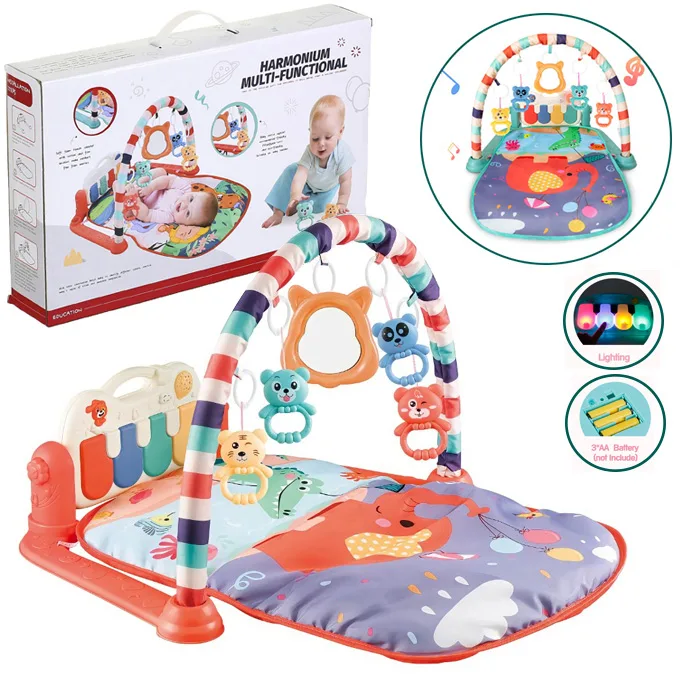
Baby toys are much more than colorful objects that keep infants entertained. The right toys help babies grow emotionally, physically, mentally, and socially during their most important developmental stages. From soft rattles to sensory play mats, every toy a baby interacts with can contribute to learning and exploration in a meaningful way.
Parents today have access to countless toy options, which can make choosing the best ones feel overwhelming. Some toys focus on sensory development, while others encourage motor skills, creativity, or early problem-solving abilities. Understanding what makes a toy beneficial can help parents make smarter purchasing decisions that truly support their child’s growth.
In this guide, we will explore everything you need to know about baby toys, including their benefits, the different types available, how to choose safe options, and why educational play matters so much during infancy.
Why Baby Toys Are Important for Early Development
Babies learn about the world through touch, sound, movement, and observation. Toys play a major role in stimulating these senses and encouraging healthy development from the very beginning. A thoughtfully chosen toy can become a tool for learning while also providing comfort and entertainment.
One of the biggest benefits of baby toys is that they help develop motor skills. When babies grab rattles, squeeze soft toys, or stack blocks, they strengthen their hand-eye coordination and muscle control. Simple actions like reaching, crawling toward a toy, or pressing buttons teach babies how their bodies work and improve their physical abilities over time.
Baby toys also support cognitive development. Interactive toys with lights, textures, music, and movement encourage babies to explore cause and effect. For example, when a baby shakes a rattle and hears a sound, they begin to understand that their actions create reactions. These early experiences build the foundation for problem-solving and critical thinking skills later in life.
Another important aspect is emotional comfort. Many babies become attached to specific toys because they provide familiarity and security. Soft plush toys, comfort blankets, and soothing musical toys can help babies relax during stressful moments or bedtime routines. This emotional connection often helps babies feel safe and calm in unfamiliar situations.
Different Types of Baby Toys and Their Benefits
There are many categories of baby toys designed for various stages of development. Each type serves a unique purpose and supports different skills as babies grow.
Sensory toys are among the most popular options for infants. These toys include bright colors, different textures, mirrors, and gentle sounds that stimulate a baby’s senses. Sensory toys encourage curiosity and help babies process visual, auditory, and tactile information more effectively. Items like textured balls, crinkle books, and teething rings are excellent examples.
Activity gyms and play mats are another fantastic choice for younger babies. These toys encourage tummy time, which is essential for developing neck, shoulder, and arm strength. Hanging toys attached to activity gyms motivate babies to reach, kick, and move around, helping them build coordination and body awareness naturally.
Musical toys are highly beneficial because they introduce babies to rhythm, sound patterns, and auditory stimulation. Toys that play lullabies, gentle melodies, or animal sounds can improve listening skills while also making playtime more enjoyable. Babies are naturally attracted to music, and interactive sound toys can help keep them engaged for longer periods.
Building toys and stacking toys become especially useful as babies grow older. Soft blocks, stacking rings, and nesting cups encourage problem-solving and fine motor development. These toys teach babies concepts like size, shape, balance, and spatial awareness while also improving concentration and patience.
How to Choose Safe Baby Toys
Safety should always be the top priority when buying toys for babies. Since infants explore the world by putting objects into their mouths, parents must carefully inspect every toy before purchase.
The first thing to consider is age recommendations. Toy manufacturers include age guidelines for a reason. A toy designed for older children may contain small parts or materials that are unsafe for infants. Always choose toys specifically made for your baby’s age group to reduce potential risks.
Material quality is another critical factor. Babies have sensitive skin and delicate immune systems, so toys made from non-toxic, BPA-free, and child-safe materials are the best choice. Wooden toys with smooth finishes and soft fabric toys without harmful dyes are generally considered safe and reliable options.
Parents should also avoid toys with small detachable pieces, sharp edges, or long strings. Choking hazards remain one of the biggest concerns for infants and toddlers. Before giving a toy to your baby, check if any parts can easily break off or become loose during use.
Cleaning and maintenance matter as well. Babies often drool on toys or drop them on the floor repeatedly. Toys that are easy to wash and sanitize help maintain proper hygiene and reduce exposure to germs and bacteria. Machine-washable plush toys and wipe-clean plastic toys are practical choices for busy parents.
Educational Baby Toys and Their Long-Term Benefits
Educational toys are designed to stimulate learning while keeping babies entertained. These toys can positively impact language development, memory, coordination, and social interaction from an early age.
Language-building toys are especially valuable during infancy. Talking toys, picture books, alphabet toys, and musical devices that repeat words help babies recognize sounds and language patterns. Even though babies may not understand full sentences initially, consistent exposure to speech helps improve communication skills over time.
Problem-solving toys encourage babies to think critically and explore solutions independently. Shape sorters, stacking rings, and simple puzzles challenge babies to experiment and learn through trial and error. These activities support brain development and strengthen cognitive abilities naturally through play.
Interactive toys can also improve social and emotional growth. Toys that encourage parent-child interaction create bonding opportunities and help babies develop trust and communication skills. Reading books together, playing peekaboo with toys, or singing along with musical toys promotes healthy emotional connections.
Educational toys additionally help build independence and confidence. When babies successfully complete simple tasks like fitting shapes together or pressing buttons to activate sounds, they experience a sense of achievement. These positive experiences motivate them to continue exploring and learning new skills.
Best Baby Toys for Different Age Groups
Choosing age-appropriate toys ensures babies receive the right level of stimulation without frustration or safety risks. Different stages of infancy require different kinds of play experiences.
For newborns, soft toys with contrasting colors and gentle sounds work best. Babies at this stage are still developing their vision and hearing, so simple sensory stimulation is ideal. Mobiles, rattles, and black-and-white toys can capture their attention effectively.
Babies between three and six months begin reaching and grasping objects more actively. Teething toys, soft books, and lightweight rattles become excellent options during this period. Toys that encourage tummy time also help strengthen muscles needed for crawling.
From six to twelve months, babies become more mobile and curious. Interactive toys with buttons, musical features, and moving parts become highly engaging. Stacking toys, activity cubes, and crawling toys encourage exploration and movement while supporting cognitive growth.
Toddlers approaching one year old enjoy toys that encourage creativity and coordination. Push toys, shape sorters, simple musical instruments, and beginner building blocks become exciting tools for learning and play. At this stage, babies enjoy experimenting with their environment and discovering how things work.
The Role of Parents During Playtime
While toys are important, parental involvement during playtime matters just as much. Babies learn best when caregivers actively participate in their experiences and provide encouragement.
Talking to babies while they play helps develop language skills and emotional bonds. Describing colors, sounds, shapes, and actions introduces babies to vocabulary in a natural and engaging way. Even simple conversations during playtime can significantly impact communication development.
Parents can also guide exploration by introducing toys gradually and demonstrating how they work. Babies often imitate adult behavior, so showing excitement and curiosity encourages them to interact more confidently with their toys.
Another important aspect is balancing toy use with real-world interaction. Babies benefit from human connection, outdoor experiences, and unstructured exploration just as much as they benefit from toys. The best approach is combining quality toys with meaningful parent-child engagement.
Limiting overstimulation is equally essential. Too many noisy or flashing toys at once can overwhelm babies and reduce focus. Offering a few well-chosen toys at a time creates a calmer environment that supports concentration and effective learning.
Conclusion
Baby toys are valuable tools that support learning, creativity, physical development, and emotional comfort during the early stages of life. From sensory toys and musical instruments to stacking blocks and educational games, each toy can contribute to a child’s growth in unique and meaningful ways.
Choosing safe, age-appropriate, and educational toys helps babies build important developmental skills while also making playtime enjoyable and engaging. Parents who understand the purpose behind different toy types can create a healthier and more enriching environment for their little ones.
Ultimately, the best baby toys are not always the most expensive or technologically advanced ones. Toys that encourage interaction, exploration, imagination, and bonding often provide the greatest long-term benefits. With thoughtful choices and active parental involvement, playtime can become one of the most rewarding parts of a baby’s early development journey.