
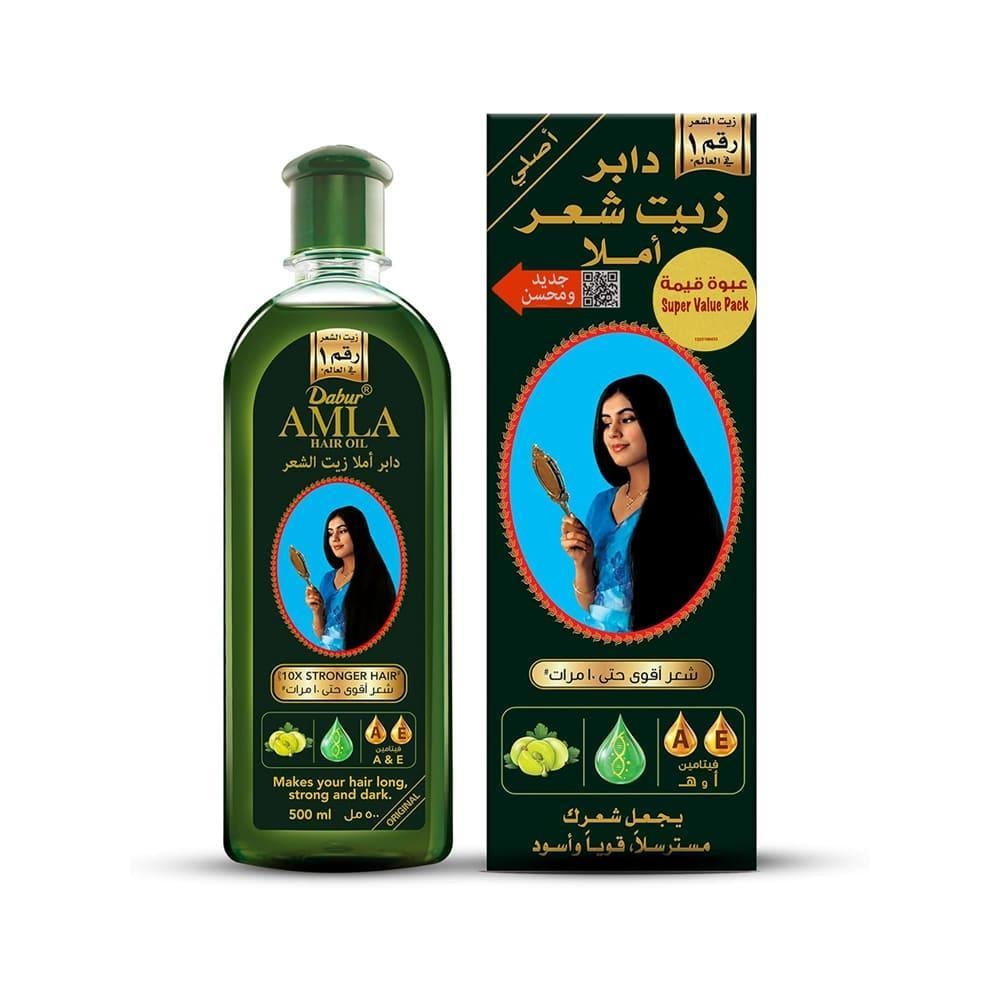
Amla Hair Oil Hair care trends come and go, but some traditional remedies continue to stand the test of time. One of the most trusted natural hair care products is amla hair oil. Known for its powerful nourishing properties, amla hair oil has been used for generations to improve hair strength, promote growth, and maintain overall scalp health. Whether you struggle with hair fall, dryness, dandruff, or premature graying, this herbal oil is often considered a reliable solution.
Amla, also known as Indian gooseberry, is packed with nutrients that benefit both hair and skin. When infused into oil, it becomes a deeply conditioning treatment that works for nearly every hair type. From ancient Ayurvedic practices to modern beauty routines, amla hair oil remains a favorite because of its natural effectiveness and versatility.
In this article, we will explore everything you need to know about amla hair oil, including its benefits, how it works, how to use it properly, and why it deserves a permanent place in your hair care routine.
What Is Amla Hair Oil?
Amla hair oil is made by combining dried or fresh amla fruit with a carrier oil such as coconut oil, sesame oil, or mineral oil. The mixture is heated slowly so the nutrients from the amla fruit are infused into the oil. The result is a nutrient-rich treatment that supports healthier hair and scalp conditions.
The key ingredient, amla, is extremely rich in vitamin C, antioxidants, and essential fatty acids. These nutrients help protect the hair follicles from damage caused by pollution, stress, and environmental factors. Since hair health often starts at the scalp, amla oil works by nourishing the roots while also improving the appearance of the hair strands.
Another reason amla hair oil is popular is because it suits many hair concerns at once. Instead of using multiple products for dryness, thinning, or dandruff, many people prefer using one natural oil that targets several problems together. This makes amla oil a simple yet highly effective addition to any hair care routine.
Benefits of Using Amla Hair Oil
One of the biggest reasons people love amla hair oil is its wide range of benefits. It is not just another beauty product; it is a deeply nourishing treatment that improves overall hair quality over time.
Promotes Hair Growth
Amla hair oil is widely known for supporting hair growth. The vitamins and antioxidants found in amla help strengthen hair follicles and improve blood circulation in the scalp. Better circulation means the hair roots receive more nutrients, which may encourage faster and healthier hair growth.
Regular scalp massages with amla oil can also reduce hair thinning. Many people notice their hair becoming fuller and thicker after consistent use for a few months. While results vary from person to person, the strengthening effects of amla oil are often noticeable with long-term use.
Another important point is that healthier hair roots lead to less breakage. Sometimes hair appears not to grow simply because it keeps breaking at the ends. Amla oil helps reduce this issue by improving hair elasticity and strength.
Reduces Hair Fall
Hair fall is one of the most common concerns people face today. Stress, poor diet, pollution, and harsh hair products can weaken the hair roots. Amla hair oil helps combat this by nourishing the scalp and reinforcing the follicles.
The natural compounds in amla support scalp health, which plays a major role in preventing excessive shedding. When the scalp is healthy and hydrated, hair roots tend to stay stronger and more stable.
Using amla oil consistently can also help reduce split ends and breakage. This means less hair loss during brushing, washing, and styling. Over time, hair often feels thicker and more manageable.
Helps Prevent Premature Graying
Premature graying can happen for many reasons, including genetics, stress, and nutritional deficiencies. Amla has traditionally been used in Ayurvedic medicine to help maintain natural hair color.
The antioxidants present in amla may help protect the pigment-producing cells in the hair follicles. While it may not completely reverse gray hair, regular use can help slow down the process for some individuals.
Many users also notice that their hair develops a richer, shinier appearance with regular application. The oil adds natural gloss without making the hair feel overly greasy when used correctly.
How Amla Hair Oil Improves Scalp Health
Healthy hair starts with a healthy scalp, and this is where amla hair oil truly shines. The oil has soothing and moisturizing properties that help calm irritation and dryness.
Dry scalp conditions often lead to itchiness and dandruff. Amla oil helps restore moisture balance while gently nourishing the scalp. Its natural properties can help reduce flakiness and discomfort over time.
Scalp massages with amla oil also encourage relaxation and stress relief. Stress is often linked to hair fall and scalp issues, so taking a few minutes to massage the scalp can provide both physical and mental benefits.
Another advantage is that amla oil may help balance excess oil production. Some people avoid hair oils because they fear greasy buildup, but proper use of amla oil can actually help regulate scalp conditions and maintain healthier roots.
Different Ways to Use Amla Hair Oil
There are several effective ways to include amla hair oil in your routine. The method you choose depends on your hair type and personal preference.
Overnight Hair Treatment
One of the most common methods is applying amla hair oil overnight. Gently massage the oil into your scalp and distribute it through the hair lengths. Leave it on while you sleep and wash it out the next morning with a mild shampoo.
This method allows the nutrients to deeply penetrate the scalp and hair strands. It is especially useful for people with dry or damaged hair because the extended treatment provides intense hydration.
However, it is important not to use excessive amounts. A small quantity is usually enough to coat the scalp and hair effectively.
Pre-Shampoo Treatment
If leaving oil overnight feels uncomfortable, you can use amla oil as a pre-shampoo treatment. Apply the oil about 30 to 60 minutes before washing your hair.
This method still provides nourishment while avoiding heavy residue. It also helps protect the hair from becoming too dry during shampooing.
Many people prefer this approach because it fits easily into busy schedules while still delivering visible benefits.
Hair Mask Ingredient
Amla hair oil can also be mixed with other natural ingredients to create nourishing hair masks. Common combinations include yogurt, aloe vera, fenugreek, or coconut milk.
These DIY treatments can target specific concerns such as dryness, frizz, or dullness. The oil acts as a conditioning base while the additional ingredients provide extra nutrients.
Using a hair mask once a week can significantly improve hair softness and shine over time.
Choosing the Best Amla Hair Oil
Not all amla hair oils are created equal. Some products contain artificial fragrances, mineral oils, or unnecessary additives that may reduce the overall quality.
When shopping for amla oil, it is best to look for products with natural ingredients and minimal chemicals. Pure or cold-pressed formulas are usually a better option because they retain more nutrients.
Checking ingredient labels is important. Ideally, amla should appear high on the ingredient list rather than being present in very small amounts.
It is also helpful to choose a product based on your hair type. Lightweight formulas may work better for oily scalps, while thicker oils are often ideal for dry or curly hair.
Common Mistakes to Avoid
Although amla hair oil is highly beneficial, some people do not get the best results because they use it incorrectly.
One common mistake is applying too much oil. Excessive oil can make the scalp feel heavy and difficult to clean. A moderate amount is usually more effective.
Another mistake is inconsistent use. Natural remedies often require patience and regular application before noticeable improvements appear. Using amla oil once and expecting instant results may lead to disappointment.
Some people also use harsh shampoos immediately after oiling their hair. Strong shampoos can strip away moisture and reduce the conditioning effects of the oil. Using a gentle cleanser is usually the better option.
Is Amla Hair Oil Suitable for Everyone?
Amla hair oil is generally safe for most hair types, including straight, wavy, curly, and coily hair. It is especially beneficial for dry, damaged, or chemically treated hair because of its nourishing properties.
However, people with sensitive skin should perform a patch test before full application. Natural ingredients can still cause irritation in some individuals, although reactions are uncommon.
It is also important to remember that hair care results vary from person to person. Factors such as genetics, diet, stress levels, and overall health also affect hair condition.
Still, when used consistently as part of a balanced hair care routine, amla hair oil can provide noticeable improvements in texture, shine, and scalp health.
Final Thoughts
Amla hair oil continues to be one of the most trusted natural hair treatments for good reason. Its combination of vitamins, antioxidants, and nourishing properties makes it a powerful solution for many common hair concerns. From reducing hair fall and dryness to improving shine and scalp health, this traditional remedy offers benefits that modern hair products often struggle to match.
The beauty of amla hair oil lies in its simplicity. It does not rely on harsh chemicals or complicated formulas. Instead, it uses the natural strength of herbal ingredients to support healthier hair from root to tip.
If you are looking for a natural way to improve your hair care routine, amla hair oil is definitely worth trying. With regular use and proper application, it can help you achieve stronger, shinier, and healthier-looking hair over time.