
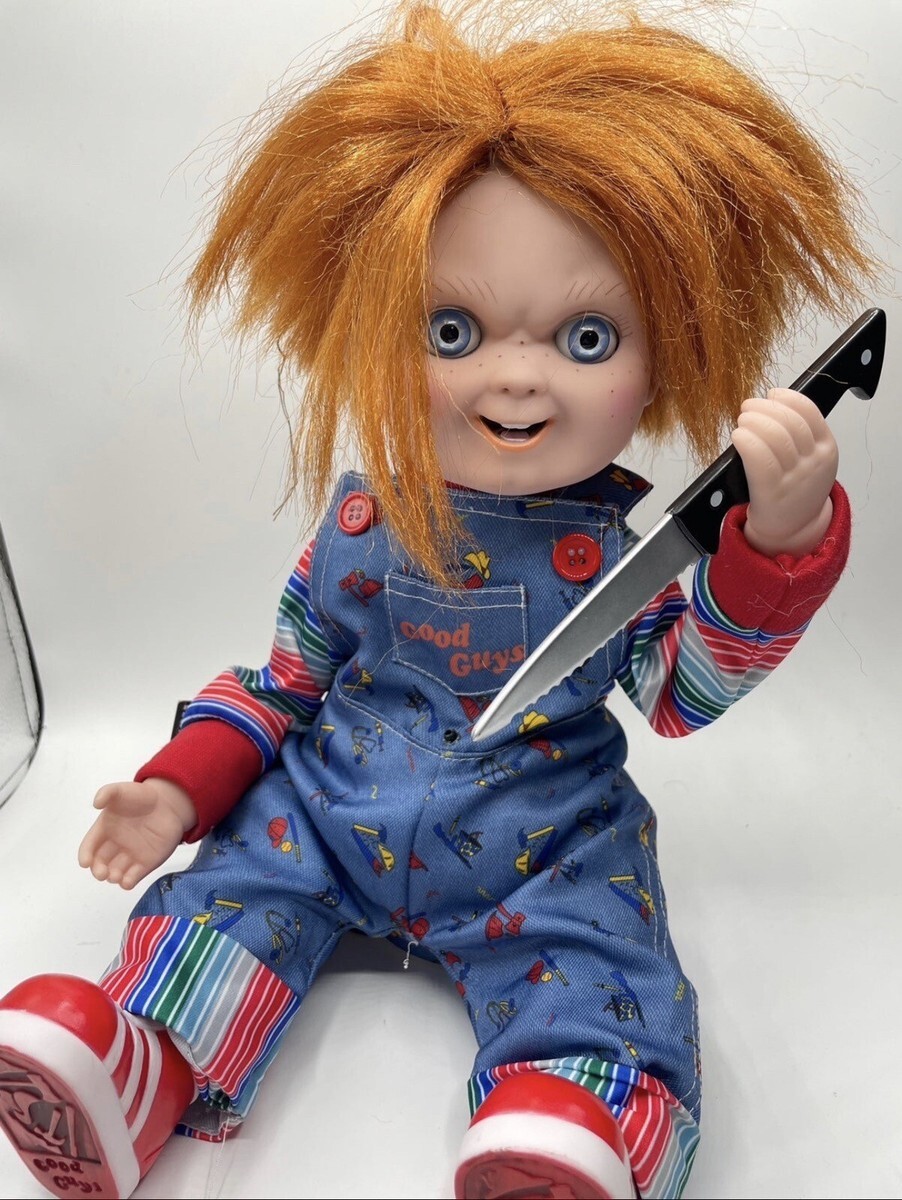
Few horror characters have managed to stay relevant for decades, but the Chucky doll continues to scare audiences across generations. From creepy movie scenes to pop culture memes, Chucky has become one of the most recognizable horror figures ever created. Unlike traditional monsters hiding in the shadows, Chucky looks like an innocent child’s toy, which makes him even more disturbing. The combination of dark humor, violence, and psychological horror helped turn this tiny doll into a global phenomenon.
What makes Chucky unique is that he is not just a silent killer. He talks, jokes, threatens, and manipulates people in ways that make him feel strangely alive. Over the years, the character evolved from a terrifying horror villain into a horror-comedy icon while still maintaining the creepy energy fans love. Whether you are a longtime horror enthusiast or someone discovering the franchise for the first time, understanding the history of the Chucky doll explains why the character remains so influential.
This article explores the origins, movies, cultural impact, and enduring popularity of the Chucky doll in detail.
The Origin of the Chucky Doll
The Chucky doll first appeared in the 1988 horror movie Child’s Play. The film was created by screenwriter Don Mancini, who wanted to develop a horror story centered around consumer culture and children’s toys. At the time, talking dolls were becoming extremely popular, and the idea of turning a child’s favorite toy into a killer instantly felt unsettling.
In the story, Chucky is originally a serial killer named Charles Lee Ray. After being mortally wounded, he uses a voodoo ritual to transfer his soul into a “Good Guys” doll before dying. From that moment onward, the doll becomes alive and begins terrorizing everyone around him. This supernatural twist gave the character a strong backstory instead of making him just another random horror villain.
The first Child’s Play movie became a huge success because audiences had never seen anything quite like it. A small toy with a childlike appearance committing brutal crimes created a terrifying contrast. The film balanced suspense, psychological fear, and shocking violence, helping the Chucky doll stand out in a crowded horror market.
Why the Chucky Doll Is So Scary
One reason the Chucky doll feels terrifying is because dolls are normally associated with comfort, innocence, and childhood memories. Turning something harmless into a murderer creates a disturbing emotional conflict for viewers. Many people already find dolls creepy due to their human-like appearance, so Chucky naturally amplified those fears.
Another major factor is Chucky’s personality. Unlike silent horror villains, Chucky constantly speaks and reacts emotionally. He insults people, laughs during violent moments, and openly enjoys causing fear. His behavior feels unpredictable, which increases tension in nearly every scene. Audiences never know whether he will crack a joke or commit murder within seconds.
The realistic movement of the doll also contributed to the fear factor. Before advanced CGI became common, filmmakers used animatronics, puppetry, and practical effects to bring Chucky to life. The physical realism made the character appear more believable. Even decades later, many horror fans appreciate the practical effects because they still look unsettling and authentic.
The Evolution of the Chucky Franchise
After the success of the original film, the Chucky franchise quickly expanded into multiple sequels. Each movie introduced new ideas while keeping the central character recognizable. Over time, the tone shifted slightly from pure horror toward dark comedy, which helped the series maintain freshness.
Child’s Play 2 and Child’s Play 3
The early sequels focused heavily on suspense and violence. In these films, Chucky continues trying to transfer his soul into a human body while leaving chaos everywhere he goes. Fans appreciated the creative kills and increasingly intense confrontations.
The movies also expanded Chucky’s personality. He became more sarcastic, more expressive, and more entertaining. Instead of simply being a monster, he developed into a full horror character with memorable dialogue and unique charm.
Bride of Chucky
In 1998, Bride of Chucky dramatically changed the franchise’s style. The film introduced Tiffany, Chucky’s equally dangerous girlfriend. This movie leaned heavily into horror-comedy and self-awareness, giving the franchise a new identity.
The combination of romance, dark humor, and over-the-top violence surprisingly worked well. Fans enjoyed seeing Chucky in situations that felt bizarre yet entertaining. The movie also helped introduce the franchise to younger horror audiences.
Seed of Chucky and Beyond
Later films experimented even further with humor and psychological horror. Some entries divided critics and fans, but the franchise continued evolving rather than repeating the same formula endlessly. Movies like Curse of Chucky and Cult of Chucky attempted to return to darker storytelling while keeping the franchise’s signature style intact.
This willingness to adapt is one reason the Chucky doll never completely disappeared from pop culture.
Chucky’s Impact on Pop Culture
The Chucky doll became much more than just a movie character. Over the years, it turned into a major pop culture symbol recognized worldwide. Even people who have never watched a Child’s Play movie often recognize Chucky’s red hair, striped shirt, and sinister smile instantly.
The character has appeared in video games, merchandise, Halloween costumes, memes, and television shows. Chucky references are common in music videos, comedy sketches, and internet culture. His appearance is so iconic that the doll is often used as shorthand for anything creepy or dangerous.
Another reason Chucky remains culturally important is nostalgia. Many fans first encountered the movies during childhood or teenage years, making the character emotionally memorable. Horror fans frequently revisit the franchise because it reminds them of classic horror cinema from the late 1980s and 1990s.
Social media also helped revive interest in the Chucky doll. Clips, reactions, and fan theories continue circulating online, introducing new generations to the franchise. In the digital age, horror icons survive through memes and viral content, and Chucky adapted surprisingly well to that environment.
The Chucky TV Series and Modern Revival
One of the most impressive things about the Chucky franchise is its ability to remain relevant decades later. The television series Chucky, released in the 2020s, successfully brought the character back into mainstream attention.
The series blends horror, comedy, and emotional storytelling while staying faithful to the original movies. Don Mancini remained closely involved, which helped maintain consistency with the franchise’s tone and mythology. Fans appreciated that the show respected older films while still feeling modern.
The TV adaptation also allowed deeper character development. Instead of focusing only on quick scares, the series explored relationships, trauma, identity, and Chucky’s psychological manipulation. This made the story more engaging for modern audiences who expect layered storytelling.
Critics and viewers praised the show for understanding exactly what makes Chucky entertaining. It balanced humor and horror without losing the creepy atmosphere that originally made the doll famous.
Behind the Design of the Chucky Doll
The visual design of the Chucky doll plays a huge role in the character’s success. The “Good Guys” doll was intentionally designed to resemble cheerful children’s toys from the 1980s. Bright colors, overalls, freckles, and cartoon-like features create a friendly appearance at first glance.
However, the filmmakers cleverly altered those features during intense scenes. Chucky’s facial expressions become increasingly aggressive as the movies progress. His eyes narrow, his smile twists unnaturally, and his skin often appears damaged or stitched together after violent encounters.
Special effects artists worked incredibly hard to make the doll expressive. Since CGI technology was limited in earlier decades, animatronics and puppetry required precise craftsmanship. Multiple versions of the doll were built for different movements and scenes.
Even today, many horror experts consider Chucky one of the greatest examples of practical effects in horror history. The craftsmanship helped the doll feel physically present rather than artificially generated.
Why Horror Fans Still Love Chucky
Horror trends constantly change, yet Chucky remains popular because the character offers something different from most villains. He is frightening but also entertaining. Fans enjoy watching his sarcastic personality as much as they enjoy the horror elements.
Another important factor is accessibility. Unlike extremely dark horror films, Chucky movies often include humor that makes them easier for casual viewers to enjoy. This balance helped the franchise reach wider audiences beyond hardcore horror fans.
The franchise also benefits from consistency. Don Mancini’s long-term involvement ensured that Chucky maintained a recognizable identity across decades. Many horror franchises lose direction over time, but Chucky largely stayed true to its original vision.
Finally, the core concept is timeless. Toys are universal childhood objects, so the fear surrounding an evil doll continues to resonate with people everywhere. As long as dolls exist, the Chucky doll will probably continue terrifying audiences.
Final Thoughts
The Chucky doll is more than just a horror movie villain. He represents a unique blend of fear, humor, creativity, and cultural influence that few horror icons have achieved. From the original Child’s Play film to modern television adaptations, Chucky has continuously reinvented himself while remaining instantly recognizable.
What started as a clever horror concept eventually became one of the most successful horror franchises in entertainment history. The combination of psychological fear, dark comedy, and unforgettable design helped the character stand the test of time.
For horror fans, Chucky remains a symbol of classic horror storytelling done right. Whether viewers love the terrifying moments, the sarcastic humor, or the nostalgic atmosphere, there is no denying the lasting impact of the Chucky doll on pop culture and horror cinema.