
The VW Bus is more than just a vehicle—it’s a cultural symbol, a lifestyle statement, and one of the most recognizable automobiles ever created. Whether you call it the Volkswagen Bus, VW Microbus, Kombi, or Transporter, this legendary van has captured hearts across generations. From road trips and family adventures to surf culture and camper van living, the VW Bus represents freedom, nostalgia, and timeless design.
Even today, decades after its original debut, the VW Bus continues to inspire automotive enthusiasts, travelers, and collectors worldwide. Its unique shape, charming personality, and practical design have made it one of the most beloved vehicles in automotive history.
In this article, we’ll explore the fascinating story of the VW Bus, its evolution through the years, why it remains iconic, and how the modern revival is bringing this classic back into the spotlight.
The Origins of the VW Bus
The story of the VW Bus begins shortly after World War II when Volkswagen was looking for ways to expand beyond the success of the famous Beetle. In 1947, Dutch businessman Ben Pon sketched an idea for a practical transport vehicle built on the Beetle’s platform. That simple sketch eventually became the blueprint for one of the most iconic vans ever made.
The first production model, known as the Volkswagen Type 2, was officially launched in 1950. It was called “Type 2” because the Beetle was considered “Type 1.” The bus featured a rear-mounted engine, simple mechanical components, and a spacious interior that made it ideal for transporting both passengers and cargo.
Its practical design quickly gained popularity among families, small businesses, and travelers. The split windshield of early models, now affectionately called the “Split Window” VW Bus, became one of its most recognizable design features and remains highly collectible today.
Why the VW Bus Became a Cultural Icon
The VW Bus became more than just transportation—it became a symbol of an entire generation. During the 1960s and 1970s, it was embraced by the counterculture movement and became associated with freedom, peace, and adventure.
Its affordability made it accessible to young travelers and families, while its roomy interior allowed people to customize it for camping, road trips, and even full-time living. Painted with colorful designs and often decorated with peace symbols, the VW Bus became synonymous with the hippie era.
Surfers also adopted the VW Bus as their preferred vehicle. Its ability to carry surfboards, camping gear, and groups of friends made it perfect for beach adventures. This connection with surf culture helped cement its laid-back, adventurous image that still resonates today.
Even in movies, advertisements, and popular media, the VW Bus became instantly recognizable. Its cheerful appearance and friendly design gave it a personality unlike any other vehicle on the road.
Design Features That Made the VW Bus Special
One of the most beloved aspects of the VW Bus is its distinctive design. Unlike modern vehicles that often prioritize aggressive styling, the VW Bus has a soft, friendly appearance that feels approachable and timeless.
The rounded front end, oversized windows, and simple body lines contribute to its iconic look. The large Volkswagen emblem centered on the front gives it instant recognition and charm.
Inside, the bus was surprisingly spacious. The flat floor and boxy shape allowed for maximum interior room, making it versatile for many uses. Families could use it as a people mover, businesses could transport goods, and travelers could convert it into a mobile home.
Mechanical simplicity was another major advantage. Early VW Buses were relatively easy to maintain, and many owners enjoyed working on them themselves. This helped create a passionate community of enthusiasts who continue to restore and preserve these vehicles today.
The Different Generations of the VW Bus
Over the decades, the VW Bus evolved through multiple generations, each bringing new features while maintaining its unique identity.
T1 (1950–1967): The Split Window Era
The original VW Bus, often called the Splitty, featured a split front windshield and classic rounded styling. These models are highly sought after by collectors and can command premium prices in today’s market.
The T1 remains the purest representation of the VW Bus and is often considered the most charming version ever made.
T2 (1967–1979): The Bay Window Era
The second generation introduced a single-piece curved windshield, earning it the nickname Bay Window. It offered improved performance, better comfort, and updated safety features.
This generation became especially popular among campers and road-trippers, with many converted into camper vans by companies like Westfalia.
T3 (1979–1992): The Vanagon
The third generation moved toward a more angular, modern design. Known as the Vanagon, it featured better engineering and increased practicality while retaining the rear-engine layout.
Although different in appearance, it maintained the adventurous spirit of the original bus.
Modern VW Transporters
Volkswagen continued developing the Transporter line with newer models like the T4, T5, and T6. These vehicles became more refined and technologically advanced but moved away from the nostalgic charm of the classic bus.
Still, they remained popular for commercial use and camper conversions.
VW Bus and the Camper Van Lifestyle
One of the strongest legacies of the VW Bus is its connection to camper van culture. Long before “van life” became a social media trend, people were converting VW Buses into compact homes on wheels.
With fold-out beds, small kitchens, and clever storage solutions, the VW Bus made travel accessible and affordable. It allowed people to explore national parks, beaches, and remote destinations while carrying everything they needed.
Today, restored VW camper buses are highly prized among travelers and collectors. Many owners spend years customizing their buses with vintage interiors, modern upgrades, and personal touches.
The charm of traveling in a VW Bus goes beyond practicality. It’s about slowing down, enjoying the journey, and embracing adventure in a more meaningful way.
Why People Still Love the VW Bus Today
Despite modern advancements in automotive technology, the VW Bus continues to attract passionate fans around the world.
Part of its appeal is nostalgia. For many people, the VW Bus represents memories of family vacations, youthful adventures, and simpler times.
Another reason is individuality. In an age of similar-looking SUVs and crossovers, the VW Bus stands out. Its unique design and character make it impossible to ignore.
Collectors also appreciate its historical significance and increasing value. Well-restored classic VW Buses can sell for impressive prices, making them both emotional and financial investments.
Enthusiast communities, online forums, and VW Bus festivals keep the legacy alive by bringing owners together to celebrate and share their passion.
The Electric Revival: Volkswagen ID. Buzz
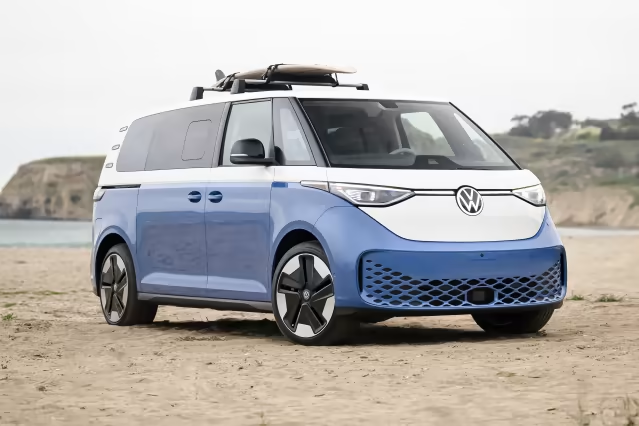
Volkswagen has officially revived the spirit of the classic VW Bus with the new ID. Buzz, an all-electric reinterpretation of the beloved icon.
The ID. Buzz blends retro styling with futuristic technology. It features design elements inspired by the original bus, such as the two-tone paint options, oversized VW logo, and spacious cabin.
At the same time, it introduces modern features like electric power, advanced driver assistance systems, digital displays, and improved comfort.
For longtime fans, the ID. Buzz represents the perfect balance between nostalgia and innovation. It honors the legacy of the original VW Bus while adapting it for a sustainable future.
Many automotive enthusiasts believe this electric revival will introduce a whole new generation to the magic of the VW Bus.
Final Thoughts on the VW Bus
The VW Bus is much more than a classic vehicle—it’s a symbol of freedom, creativity, and adventure. Few automobiles have had such a lasting emotional and cultural impact across so many generations.
From its humble beginnings as a practical transport van to its status as a global icon, the VW Bus has earned a special place in automotive history. Its unmistakable design, versatile functionality, and joyful personality continue to inspire collectors, travelers, and dreamers alike.
Whether you admire vintage split-window models, dream of owning a restored camper, or are excited about the modern electric ID. Buzz, the VW Bus remains a timeless reminder that sometimes the journey truly matters more than the destination.