
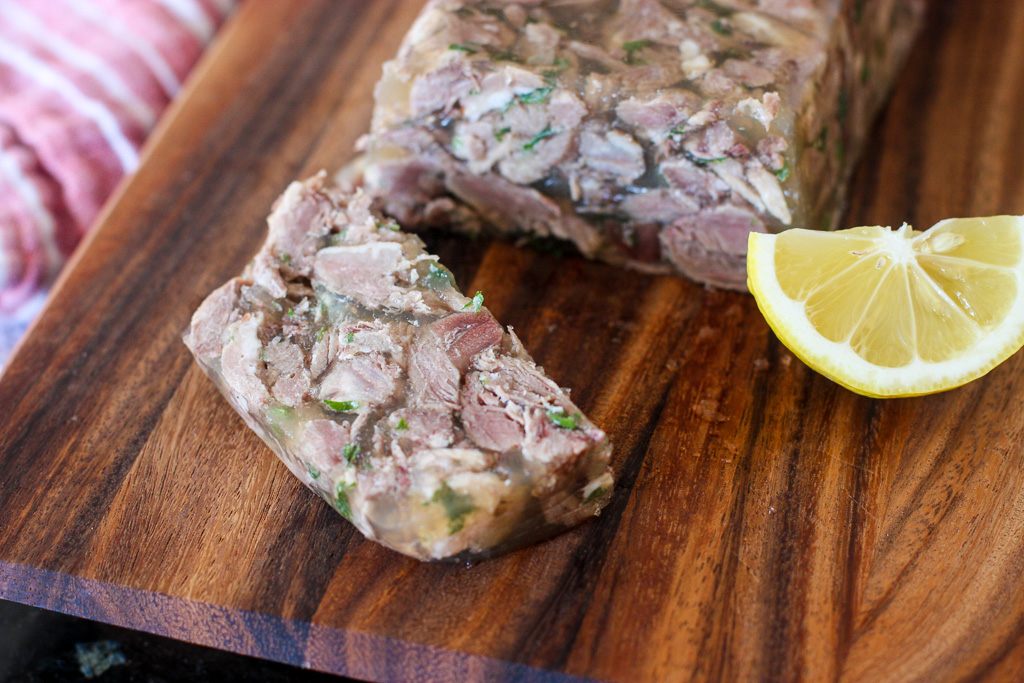
When people first hear the term head cheese, many assume it is some kind of dairy product. Surprisingly, it has nothing to do with cheese at all. Head cheese is a traditional meat dish made by cooking and setting parts of an animal’s head—usually pork or calf—into a flavorful jelly. Though it may sound unusual to some, head cheese has been a beloved delicacy in many cultures for centuries.
This classic food represents the essence of traditional nose-to-tail cooking, where every part of the animal is used thoughtfully and respectfully. It combines rich flavors, unique textures, and deep culinary history, making it much more than just an old-fashioned specialty.
In this article, we’ll explore what head cheese is, where it comes from, how it’s made, its taste, nutritional value, and the best ways to enjoy it.
What Is Head Cheese?
Head cheese is a type of cold cut or meat jelly made by simmering the meat from an animal’s head until it becomes tender enough to separate from the bones. The cooked meat is then mixed with seasonings and natural gelatin-rich broth, which solidifies as it cools.
Despite its name, head cheese contains no cheese whatsoever. The word “cheese” likely refers to the way the finished product is pressed into molds, much like traditional cheese-making techniques. Once chilled, it forms a sliceable loaf or terrine.
The dish often includes parts such as cheek meat, tongue, and skin, all of which contribute flavor and texture. Some recipes add vinegar, herbs, onions, garlic, or spices to enhance the taste. Depending on the region, head cheese may also be known by other names such as brawn, souse, or fromage de tête.
The History and Origins of Head Cheese
Head cheese has ancient roots and reflects a time when food waste was minimized out of necessity. Long before modern refrigeration and industrial meat processing, people preserved valuable meat by turning every edible part into something nourishing.
In Europe, head cheese became particularly popular in countries like Germany, France, Poland, and the Netherlands. Each culture developed its own variation. German Sülze, French fromage de tête, and British brawn all share similar preparation methods while showcasing regional flavors.
Immigrants later brought these traditions to North America, where head cheese became a staple in many rural households and butcher shops. Today, it remains especially popular among communities that value traditional charcuterie and artisanal foods.
How Head Cheese Is Made
The process of making head cheese is labor-intensive but straightforward. It begins with thoroughly cleaning and preparing the animal’s head, often pork. The head is simmered for several hours until the meat becomes tender and the collagen-rich connective tissue breaks down.
Once cooked, the meat is carefully removed from the bones and chopped into small pieces. The cooking liquid, rich in natural gelatin, is strained and seasoned. Common ingredients include garlic, peppercorns, bay leaves, onions, salt, and vinegar.
The chopped meat is then placed into molds or loaf pans and covered with the seasoned broth. After refrigeration, the gelatin firms up and binds everything together into a sliceable block. The result is a savory, flavorful product that can be served cold or at room temperature.
What Does Head Cheese Taste Like?
Many people are surprised by how flavorful head cheese actually is. The taste is rich, savory, and deeply meaty, often similar to a combination of ham, pork roast, and pâté.
Because different cuts are used, the texture can vary significantly. Some parts are tender and smooth, while others provide a pleasant chewiness. The gelatin adds a silky mouthfeel that helps hold the flavors together.
Seasonings can greatly influence the final taste. Some varieties are mildly seasoned and delicate, while others are tangy from vinegar or bold with garlic and spices. Overall, head cheese offers a unique eating experience that many food enthusiasts appreciate once they try it.
Types of Head Cheese Around the World
Head cheese exists in many regional forms, each with distinct ingredients and preparation methods. While the foundation remains similar, cultural traditions add unique twists.
German Sülze often includes vinegar and pickled vegetables, giving it a slightly acidic flavor. French fromage de tête may feature aromatic herbs and refined seasoning, emphasizing elegance and balance.
In the Southern United States, souse is a spicy, vinegar-forward version commonly enjoyed with crackers. Eastern European varieties may include garlic, paprika, or smoked elements, adding even more complexity to the dish.
Nutritional Value of Head Cheese
Head cheese can be surprisingly nutritious. It is typically high in protein, thanks to its concentrated meat content, and contains collagen, which may support joint and skin health.
Because much of the natural gelatin comes from connective tissues, head cheese can be rich in amino acids like glycine and proline. These compounds are often associated with benefits for digestion and tissue repair.
However, it can also be high in sodium and saturated fat, depending on the recipe. As with many traditional cured or prepared meats, moderation is important when incorporating it into a balanced diet.
How to Serve and Eat Head Cheese
One of the easiest ways to enjoy head cheese is simply sliced thin and served cold. It pairs beautifully with crusty bread, mustard, and pickles, creating a satisfying snack or light meal.
Many people include it on charcuterie boards alongside cured meats, cheeses, olives, and fresh vegetables. Its unique texture and appearance often make it a conversation starter.
In some cultures, head cheese is served with vinegar, horseradish, or spicy sauces to enhance its flavor. It can also be layered into sandwiches or enjoyed with boiled potatoes and hearty salads.
Is Head Cheese Still Popular Today?
Although head cheese is considered a traditional food, it has experienced renewed interest in recent years. The growing appreciation for artisanal foods and nose-to-tail cooking has brought dishes like head cheese back into the culinary spotlight.
Chefs and food enthusiasts often praise it for its sustainability and craftsmanship. Handmade head cheese represents an older style of food preparation that values skill, patience, and respect for ingredients.
At farmers markets, specialty butcher shops, and gourmet delis, you can often find modern versions made with premium ingredients and creative seasonings, appealing to both traditionalists and adventurous eaters.
Why Head Cheese Deserves More Appreciation
Head cheese may not win everyone over at first glance, but it deserves recognition as a meaningful part of culinary history. It reflects generations of resourcefulness, tradition, and expert craftsmanship.
For those willing to step outside their comfort zone, head cheese offers a surprisingly delicious and memorable experience. Its rich flavor, unique texture, and cultural significance make it much more than just an unusual specialty.
Whether you’re a curious foodie, a charcuterie enthusiast, or someone interested in traditional foods, trying head cheese can deepen your appreciation for the art of cooking and the heritage behind every bite.
Final Thoughts
Head cheese is a fascinating example of how traditional foods can preserve history, culture, and culinary wisdom. Though its name may be misleading and its ingredients unconventional, its flavor and craftsmanship are undeniable.
As food culture continues to embrace authenticity and sustainability, head cheese is finding new audiences who appreciate its depth and originality. What was once considered an old-fashioned dish is now being rediscovered as a gourmet delicacy.
If you’ve never tried head cheese before, it may be worth adding to your culinary bucket list—you might be pleasantly surprised by how much you enjoy this timeless classic.