
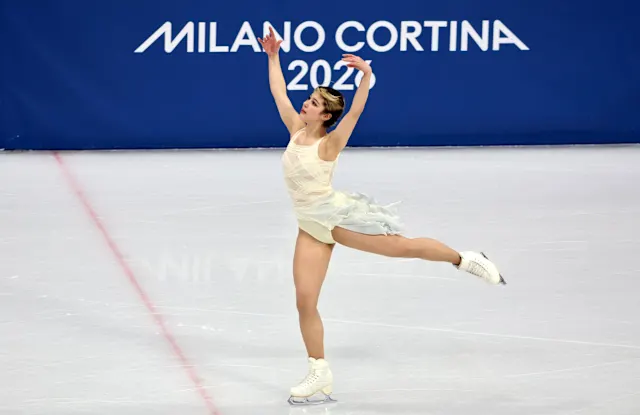
The 2026 Winter Olympics women single skating free skating event is already becoming one of the most anticipated competitions in international figure skating. Every Olympic cycle brings fresh rivalries, emotional performances, and unforgettable moments, but the upcoming games promise something even more exciting. With a new generation of skaters pushing technical limits while also redefining artistry, fans around the world are preparing for a spectacular showdown on Olympic ice.
Women’s single skating has always been one of the centerpiece events of the Winter Olympics. It combines athletic ability, creativity, precision, and emotional storytelling in a way very few sports can match. The free skating segment is especially important because it often decides who leaves with Olympic gold, silver, and bronze. Unlike the short program, skaters in the free skate have more time to showcase their full technical arsenal and artistic personality.
As the 2026 Olympics approach, the conversation around women’s free skating is becoming more intense. Fans, coaches, and analysts are discussing which athletes could dominate the podium, what technical elements may shape the results, and how judging standards might evolve. The event is expected to feature some of the strongest competition the sport has seen in years.
Why the Free Skating Program Matters So Much
The free skating program is considered the ultimate test in women’s figure skating. While the short program requires strict technical elements within a shorter timeframe, the free skate allows skaters to fully demonstrate endurance, consistency, choreography, and emotional range. This is where Olympic dreams are often made or broken.
In Olympic competition, pressure reaches an entirely different level. A single mistake in the free skating segment can instantly change the leaderboard. At the same time, a flawless performance can create one of those iconic Olympic moments that fans remember for decades. Because the free skate carries a larger point value than the short program, it usually has the biggest impact on final rankings.
Another reason the free skating event is so important is its balance between technical scoring and artistic interpretation. Judges evaluate jumps, spins, step sequences, transitions, musical timing, and overall presentation. The athletes who succeed are usually the ones who can combine difficult elements with smooth and emotionally engaging performances.
The women competing in 2026 are expected to deliver programs that are technically advanced yet artistically mature. This balance is becoming increasingly important in modern figure skating, where audiences want both athletic brilliance and memorable storytelling.
The Rising Level of Technical Difficulty
One of the biggest storylines heading into the 2026 Winter Olympics is the rising technical standard in women’s figure skating. Over the past decade, the sport has evolved dramatically. Triple-triple combinations are now common among elite skaters, and some athletes are attempting ultra-C elements such as quadruple jumps and triple Axels.
The free skating event gives athletes the opportunity to maximize technical scoring because of its longer duration. Skaters can include multiple jump combinations, difficult spins, and complex footwork sequences. The challenge is maintaining stamina while keeping execution clean under Olympic pressure.
Many experts believe the 2026 women’s free skating event could become one of the most technically demanding competitions in Olympic history. Younger athletes entering the senior level are training advanced jump layouts earlier than ever before. This trend is pushing competitors to continuously improve if they want to remain competitive internationally.
However, technical content alone is not enough to guarantee victory. Judges still reward clean execution, skating skills, choreography, and performance quality. A skater attempting extremely difficult jumps may lose points if the elements are under-rotated or landed poorly. This balance between risk and consistency will likely define the Olympic battle in 2026.
The Importance of Artistry and Presentation
Although technical ability often grabs headlines, artistry remains one of the most important parts of women’s single skating free skating. Olympic audiences connect deeply with performances that tell a story and create emotional impact. Some of the most legendary Olympic programs were remembered not because of difficulty alone, but because of the feelings they inspired.
Music selection plays a major role in the free skate. Skaters spend months choosing music that fits their personality, skating style, and competitive strategy. Strong choreography can elevate a program and make every movement appear intentional and natural. Judges pay close attention to how well skaters interpret the music and connect technical elements to the overall performance.
In recent years, figure skating fans have increasingly appreciated skaters who combine strong athleticism with elegant presentation. Programs that feel authentic and emotionally engaging tend to stand out, especially during major events like the Olympics. This is one reason why experienced skaters sometimes outperform technically stronger rivals.
The 2026 Olympic free skating event is expected to feature a wide variety of styles. Some skaters may focus on dramatic theatrical performances, while others might emphasize speed, flow, and classical elegance. This diversity is one of the reasons figure skating remains so captivating for global audiences.
Athletes to Watch at the 2026 Winter Olympics
Although the final Olympic roster is not yet confirmed, several athletes are already generating excitement among skating fans. The women’s field heading into 2026 includes rising young stars, established world medalists, and experienced competitors hoping for a career-defining Olympic moment.
Many skaters entering the Olympic cycle have already proven themselves in international competitions such as Grand Prix events, World Championships, and continental championships. Consistency over the next seasons will be crucial because Olympic selection often depends on performance throughout the entire qualification period.
Fans are particularly interested in athletes capable of landing high-value technical elements while maintaining strong artistic presentation. The skaters who can consistently perform under pressure are usually the ones who succeed at the Olympic level. Mental toughness becomes just as important as physical preparation.
Another fascinating aspect of the 2026 competition is generational change. Some veteran skaters may enter their final Olympic appearance, while younger competitors could make their Olympic debut. This mix of experience and youthful ambition often creates dramatic and emotional storylines that define Olympic figure skating.
How Judging Could Influence the Competition
Judging has always been a major discussion point in figure skating, and the 2026 Winter Olympics will be no exception. The International Judging System rewards both technical execution and program components, meaning every detail matters during the free skating segment.
Technical panels carefully review jumps, rotations, takeoffs, and landing quality. Even small mistakes can affect scoring significantly. At the same time, program component scores evaluate skating skills, transitions, choreography, composition, and interpretation of music. The athletes who excel in both categories usually gain a competitive advantage.
Another factor that could influence results is consistency. Olympic judges often reward skaters who deliver clean performances under pressure. A technically easier but flawless program can sometimes outperform a more ambitious routine filled with mistakes. This strategic balance makes free skating especially unpredictable.
Fans and analysts will also closely monitor how judging standards evolve before the Olympics. Figure skating scoring continues to change as the sport develops technically and artistically. Adjustments in scoring emphasis could impact how athletes design their programs for the 2026 season.
What Fans Can Expect From the Event
The women’s single skating free skating competition at the 2026 Winter Olympics is expected to deliver drama, emotion, and elite athletic performance. Olympic figure skating has a unique atmosphere because every performance carries enormous pressure and worldwide attention.
Viewers can expect intense competition from start to finish. Even small score differences may separate medalists from the rest of the field. This level of competitiveness makes every jump, spin, and sequence incredibly important.
The event will likely feature memorable costumes, powerful musical programs, and emotional reactions from athletes and coaches. Olympic free skating often produces defining career moments that stay with fans long after the games end. Whether it is a surprise medalist, a comeback performance, or a historic technical achievement, the event rarely disappoints.
Social media and streaming platforms will also make the 2026 competition more accessible than ever before. Fans around the world will be able to follow practices, interviews, reactions, and behind-the-scenes content in real time. This increased digital engagement continues to grow the global popularity of women’s figure skating.
Final Thoughts
The 2026 Winter Olympics women single skating free skating competition is shaping up to be one of the most exciting events of the games. With elite athletes pushing technical boundaries while delivering emotionally powerful performances, fans can expect world-class figure skating at the highest level.
The free skating segment represents the heart of Olympic figure skating because it combines pressure, creativity, endurance, and artistry into one unforgettable event. Every skater entering the competition will carry years of training, sacrifice, and ambition onto the Olympic ice.
As anticipation continues to build, one thing is certain: the women’s free skating event at the 2026 Winter Olympics will capture global attention and create moments that skating fans will remember for years to come.