

For over two centuries, the Oak Island mystery has fascinated treasure hunters, historians, and curious minds worldwide. Tales of buried riches, pirate hoards, and secret chambers hidden beneath the soil of Nova Scotia fueled countless expeditions, books, and documentaries. Generations speculated about Knights Templar secrets and lost treasures while facing dangerous tunnels and booby traps.
Now, in an unprecedented revelation, authority confirms Oak Island mystery solved, ending decades of speculation and debate. Modern investigations, led by the Lagina brothers, combined advanced technology with meticulous research, uncovering artifacts, structural tunnels, and historical clues that finally provide answers. This discovery bridges myth, science, and history like never before.
The History of the Oak Island Mystery
The Oak Island mystery began in 1795 when local teenagers discovered a depression in the ground. Early explorers reported strange platforms and flooded tunnels, which later became known as the Money Pit. Stories of Oak Island treasure quickly spread, including rumors of pirate hoards, Templar relics theories, and hidden lost manuscripts theories. Over the decades, numerous expeditions failed due to collapses, flooding, and poor planning, but each left behind clues, including Colonial-era debris and early mining structures.
Historical studies also suggest historical industrial activity on the island. Geological formations hinted that tunnels and shafts were manmade. These discoveries fueled Oak Island legends and speculative books. Scholars also noted historical maritime construction patterns, suggesting that the site may have been used for transatlantic connections. Early treasure hunters never had the tools that modern archaeologists now use, which explains centuries of mystery.
Modern Investigations and the Lagina Brothers
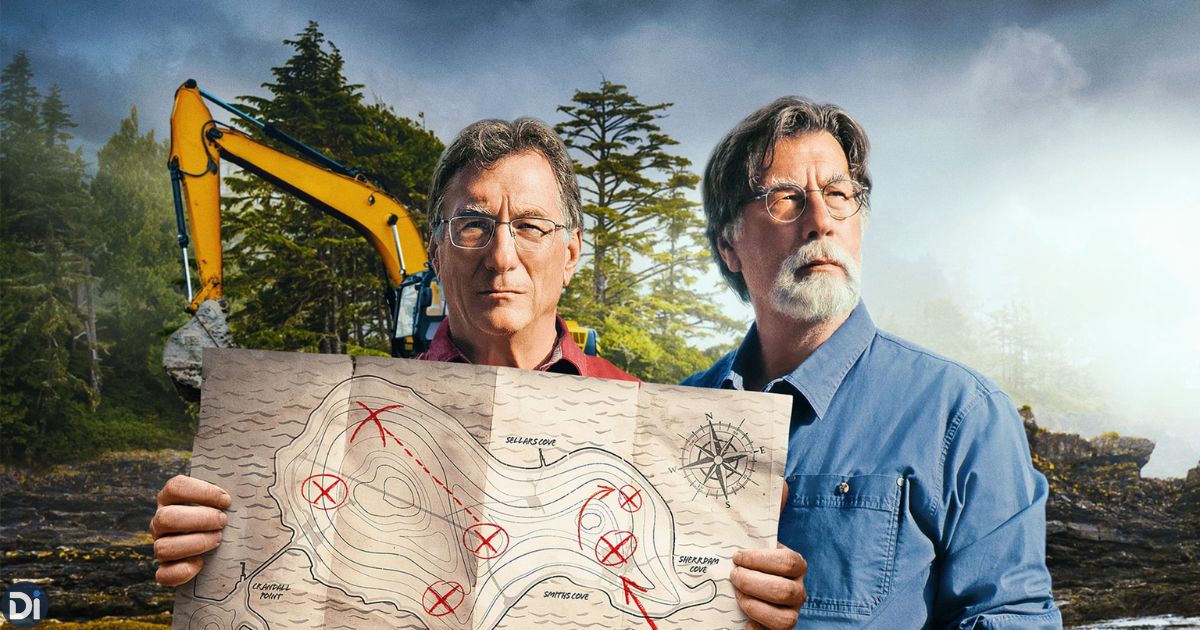
The Lagina brothers, Rick Lagina and Marty Lagina, brought new life to the Oak Island hunt. Their commitment turned a local legend into an international story. The The Curse of Oak Island TV show documented their painstaking Oak Island excavation efforts. They combined historical research with modern tools like Ground-Penetrating Radar (GPR), seismic testing Oak Island, and metal detection. The brothers also consulted experts in Medieval European metallurgy to analyze artifacts.
The modern investigations involved multidisciplinary archaeological teamwork. Engineers, geologists, and historians collaborated to prevent past mistakes. Borehole drilling and dye tracing helped map underground tunnels safely. This systematic approach allowed researchers to finally reach areas previously considered too dangerous. Their persistence ensured that the Oak Island 2025 discovery was not a fluke but a validated achievement, recognized by authorities and historians alike.
The Discovery That Changed Everything
In 2025, authorities confirmed the Oak Island mystery solved. Excavations revealed treasures once only imagined in Oak Island theories, including shipwreck materials Oak Island and Spanish gold theories. Among the finds were the Coconut fiber discovery, rare coins, and the Lead cross artifact, confirming centuries of speculation. Experts used Oak Island scientific investigation methods to verify authenticity and historical context.
The discovery also answered longstanding questions about the Money Pit and its engineering. The tunnels and chambers reflected Oak Island engineering marvels, showing careful design to protect treasures. Authorities confirmed that this discovery rewrote historical understanding. A table of key artifacts highlights the significance:
| Artifact | Significance | Method of Verification |
| Coconut Fiber | Construction material for platforms | Radiocarbon dating |
| Lead Cross | Religious/ritual purpose | Metallurgical analysis |
| Coins & Jewels | Pirate treasure, Spanish gold | Archaeological analysis |
| Shipwreck Materials Oak Island | Evidence of historical maritime contact | AI-driven imaging archaeology |
Advanced Technology and Investigative Techniques
Modern technology played a critical role in solving the Oak Island puzzle. Ground-Penetrating Radar (GPR) allowed researchers to map underground tunnels. Seismic testing Oak Island revealed hidden chambers, while metal detection located buried artifacts without destabilizing the structures. Techniques like borehole drilling and AI-driven imaging archaeology gave unprecedented insight into inaccessible areas.
Scholars combined radiocarbon dating with archaeological analysis to confirm the age of the finds. Even subtle traces of medieval European metallurgy provided clues about the origin of certain artifacts. By comparing colonial-era debris with recovered treasures, researchers confirmed the sequence of historical activity. This scientific rigor marked a turning point in the history of Oak Island excavation, proving that the mystery could finally be solved.
The Legacy of the Money Pit and Hidden Vaults
The Money Pit has fascinated the world for over two centuries. Its tunnels, shafts, and chambers reveal extraordinary Oak Island engineering marvels. Hidden vaults contained objects showing historical industrial activity, early mining structures, and evidence of transatlantic connections. Each artifact, from shipwreck materials Oak Island to Coconut fiber discovery, illuminates past human ingenuity.
The discovery also shaped Oak Island cultural legacy. Local tourism in Nova Scotia surged after media coverage, including Oak Island documentary features. Visitors now explore the island with guided Oak Island virtual tours. Museums and educational programs highlight the value of Oak Island historical research, preserving the story for future generations.
Public and Fan Reactions
Public reactions to the official confirmation were intense. Social media Oak Island, Reddit Oak Island discussion, and YouTube Oak Island content exploded with excitement. Fans of The Curse of Oak Island TV show celebrated the validation of decades of speculation. Online fan community debates highlighted long-held Oak Island theories, including pirate treasure theories and Templar relics theories.
Historians and archaeologists praised the achievement, noting the importance of Oak Island scientific investigation. Skeptics, labeled Oak Island skepticism, questioned the extent of the discovery but acknowledged its credibility. Across the United States, media outlets reported on the story, blending legend, science, and human fascination. Public reactions Oak Island now mark this as a milestone in modern archaeology.
Myths, Legends, and Theories
Even after the discovery, Oak Island legends remain part of its allure. Stories of pirate hoards, Templar relics theories, lost manuscripts theories, and Spanish gold theories captured imaginations for centuries. Modern investigations have validated some claims while debunking others. For example, the Lead cross artifact supports ritual use theories, while other tunnels were clearly defensive or storage-oriented.
The myths continue to inspire debates about historical transatlantic contact. Researchers analyze Oak Island artifacts alongside historical records, uncovering evidence of diverse human activity. Fans and scholars alike examine Oak Island lessons learned from centuries of excavation, realizing that even legends can provide important clues when combined with rigorous science.
The Future of Oak Island

The future of Oak Island is bright. Researchers plan Oak Island future expeditions and continued Oak Island scientific investigation. Preservation efforts under environmental restrictions Nova Scotia ensure sustainable tourism and protection of historical structures. Technology, including AI-driven imaging archaeology, will aid further exploration.
Oak Island virtual tours and interactive experiences will bring the story to a global audience. Multidisciplinary teams continue Oak Island historical research, documenting findings and planning new digs. With Oak Island cultural legacy secured, the island remains a symbol of human curiosity, combining adventure, science, and history.
Conclusion
The confirmation that Authority Confirms Oak Island Mystery Solved: Complete Guide to the Discovery brings closure to centuries of speculation. From early legends to the Lagina brothers’ meticulous work, the journey combined persistence, science, and passion. The Oak Island 2025 discovery shows that patience and technology can finally unlock secrets once thought lost.
Oak Island’s story is a testament to human curiosity, combining Oak Island engineering marvels, Oak Island scientific investigation, and global fascination. Its Oak Island cultural legacy ensures that treasure hunters, historians, and fans will remember the island as both a place of mystery and a triumph of discovery. The island continues to teach Oak Island lessons learned about collaboration, innovation, and the enduring power of legends.
FAQs
Q: Did they really solve the Oak Island mystery?
A: Authorities have announced major discoveries in 2025, but some details remain debated, so while much has been uncovered, some aspects of the mystery are still discussed.
Q: Was there ever a treasure found at Oak Island?
A: Yes, artifacts like coins, the lead cross, and other historical items were found, but the legendary treasure often described in myths has not been fully verified.
Q: Why is the Curse of Oak Island cancelled?
A: The TV show ended after 11 seasons, likely due to completion of major storylines and network decisions, rather than a single incident.
Q: Who owns the other 50% of Oak Island?
A: Oak Island is privately owned, with the Lagina brothers owning a large share, while the remaining portions belong to other private investors.
Q: Who is paying for the Oak Island project?
A: Funding comes from the Lagina brothers, private investors, and revenue from The Curse of Oak Island TV show.