
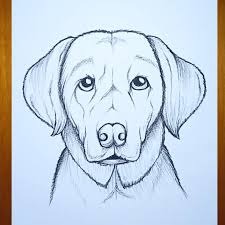
Dog drawing is one of the most enjoyable and rewarding forms of art. Whether you are a beginner learning how to sketch simple shapes or an experienced artist trying to improve realistic animal portraits, drawing dogs can help you sharpen your artistic skills in a fun and creative way. Dogs come in many breeds, poses, and personalities, which makes them an exciting subject for artists of all levels.
One of the best things about dog drawing is that it allows you to experiment with different styles. Some artists prefer cartoon dogs with playful expressions, while others focus on realistic details like fur texture, eyes, and body structure. No matter your approach, learning the basics of dog anatomy and proportions can dramatically improve your drawings.
In this guide, we will cover everything you need to know about dog drawing, including the best tools, beginner techniques, step-by-step methods, shading tips, and common mistakes to avoid. By the end of this article, you will have a strong understanding of how to create impressive dog drawings with confidence.
Why Dog Drawing Is So Popular
Dogs are among the most loved animals in the world, so it is no surprise that they are also a favorite subject in art. Many people enjoy drawing dogs because they are expressive, emotional, and full of personality. A simple sketch can capture happiness, loyalty, excitement, or curiosity.
Another reason dog drawing is popular is the huge variety of dog breeds available. From fluffy Golden Retrievers to tiny Chihuahuas and powerful German Shepherds, every breed has unique features that make drawing interesting. Artists can constantly challenge themselves by studying different body shapes, fur types, and facial expressions.
Dog drawing is also beginner-friendly. Unlike some complicated subjects, dogs can often be broken down into basic geometric shapes such as circles, ovals, and lines. This makes the learning process easier and less intimidating for new artists who are still building confidence.
Essential Tools for Dog Drawing
Before starting your dog drawing journey, it is important to have the right tools. While professional artists may use advanced equipment, beginners can create excellent artwork with simple materials.
A good quality pencil is the most important tool. HB pencils are perfect for sketching outlines, while softer pencils like 2B or 4B help create darker shading and fur texture. Having an eraser is equally important because it allows you to fix mistakes and add highlights to your artwork.
Paper quality also matters more than many beginners realize. Smooth sketch paper works well for clean pencil drawings, while textured paper is excellent for detailed fur shading. Many artists also use blending stumps to create smoother shadows and transitions.
Digital artists often use drawing tablets and software for dog illustrations. Programs like Photoshop or Procreate provide endless creative possibilities, including coloring, layering, and advanced editing. However, traditional pencil drawing remains one of the best ways to learn the fundamentals.
Understanding Dog Anatomy Before Drawing
One of the biggest mistakes beginners make is jumping directly into details without understanding dog anatomy. Even a basic knowledge of body structure can make your drawings look more realistic and professional.
Dogs have strong skeletal and muscular structures that influence their movement and posture. The head, chest, spine, and legs all connect in a natural flow. Learning these connections helps artists avoid awkward or unrealistic poses. It also improves balance and proportion in the final drawing.
The shape of a dog’s head varies greatly depending on the breed. Some dogs have long snouts, while others have short and rounded faces. Paying attention to ear placement, eye spacing, and jaw structure helps create accurate breed representations.
Studying real dog photos is one of the best ways to improve anatomical understanding. Observing how dogs sit, run, and interact with their surroundings gives artists a deeper appreciation of movement and form.
Step-by-Step Process for Drawing a Dog
Starting with simple shapes is the easiest way to draw a dog successfully. Most artists begin with circles and ovals to map out the head, body, and joints. These shapes act as a framework that guides the rest of the drawing.
Once the basic structure is complete, the next step is connecting the shapes using smooth lines. This creates the dog’s body outline and helps establish posture and movement. At this stage, proportions should be adjusted carefully before adding details.
After the outline is finalized, artists can begin adding facial features such as eyes, nose, and mouth. The eyes are especially important because they bring emotion and personality into the artwork. Small adjustments in expression can completely change the mood of the drawing.
The final stage involves shading and texture. Fur direction should follow the natural flow of the dog’s body. Light shading creates depth, while darker shadows add realism and dimension. Patience during this step can significantly improve the final result.
Tips for Creating Realistic Dog Fur
Drawing realistic fur can seem difficult at first, but it becomes much easier with practice. The key is understanding that fur should not be drawn as random lines. Instead, artists should focus on the direction, length, and texture of the fur.
Short-haired dogs usually require smoother and softer shading. Long-haired breeds need layered strokes to create volume and movement. Observing reference photos closely helps identify how the fur naturally overlaps and changes direction.
Another important technique is varying pencil pressure. Light strokes create soft textures, while darker strokes add depth and contrast. Using multiple pencil grades can make fur appear more detailed and lifelike.
Artists should also avoid overworking the fur. Beginners often try to draw every single hair, which can make the artwork look messy. Instead, focusing on major fur patterns and shadows creates a cleaner and more professional appearance.
Common Dog Drawing Mistakes to Avoid
Many beginners struggle with proportions when drawing dogs. Legs may appear too short, heads may look oversized, or body positioning may seem unnatural. Taking time to sketch guidelines before adding details helps solve these issues.
Another common mistake is drawing stiff poses. Dogs are naturally energetic and fluid animals, so their posture should feel dynamic and alive. Gesture drawing exercises are excellent for improving movement and flexibility in sketches.
Ignoring lighting is another issue that affects realism. Shadows should match the direction of the light source throughout the drawing. Consistent lighting adds depth and makes the artwork look more polished.
Artists also sometimes rush into details too early. It is always better to focus on the overall structure first before working on fur texture or facial details. A strong foundation leads to a much stronger final drawing.
Cartoon Dog Drawing vs Realistic Dog Drawing
Cartoon dog drawing is a fantastic option for beginners and creative artists who enjoy stylized artwork. Cartoon dogs often feature exaggerated eyes, playful expressions, and simplified body shapes. This style allows for more creativity and personality.
Realistic dog drawing, on the other hand, requires careful observation and attention to detail. Artists focus on anatomy, lighting, texture, and accurate proportions. While realistic art can be more challenging, it also produces highly impressive results.
Many artists combine both styles to create semi-realistic dog illustrations. This approach blends realistic anatomy with expressive cartoon features, creating artwork that feels unique and visually appealing.
Experimenting with different styles is one of the best ways to improve artistic versatility. Trying both cartoon and realistic approaches helps artists discover their personal drawing style over time.
How Practice Improves Dog Drawing Skills
Like any artistic skill, dog drawing improves through consistent practice. Even experienced artists continue studying anatomy, shading, and composition to refine their abilities. The more dogs you draw, the more natural the process becomes.
Daily sketching exercises are incredibly effective for improvement. Quick sketches help artists focus on movement and structure without worrying too much about perfection. Over time, this builds confidence and drawing speed.
Using references is also an important part of learning. Professional artists frequently study photos or live animals to improve accuracy. References should be seen as educational tools rather than shortcuts.
Patience is essential during the learning process. Some drawings may not turn out perfectly, but every sketch teaches valuable lessons. Progress happens gradually, and consistency is the key to becoming a skilled dog artist.
Final Thoughts on Dog Drawing
Dog drawing is a creative and rewarding activity that combines technical skill with artistic expression. Whether you enjoy simple cartoon sketches or highly realistic portraits, drawing dogs offers endless opportunities for growth and experimentation.
Understanding anatomy, practicing shading techniques, and studying real-life references can greatly improve the quality of your artwork. At the same time, creativity and personal style are equally important. Every artist develops a unique way of capturing the personality and beauty of dogs.
The most important thing is to keep practicing and enjoying the process. Artistic improvement takes time, but each drawing helps build confidence and experience. With dedication and patience, anyone can learn how to create stunning dog drawings that truly stand out.