
Introduction
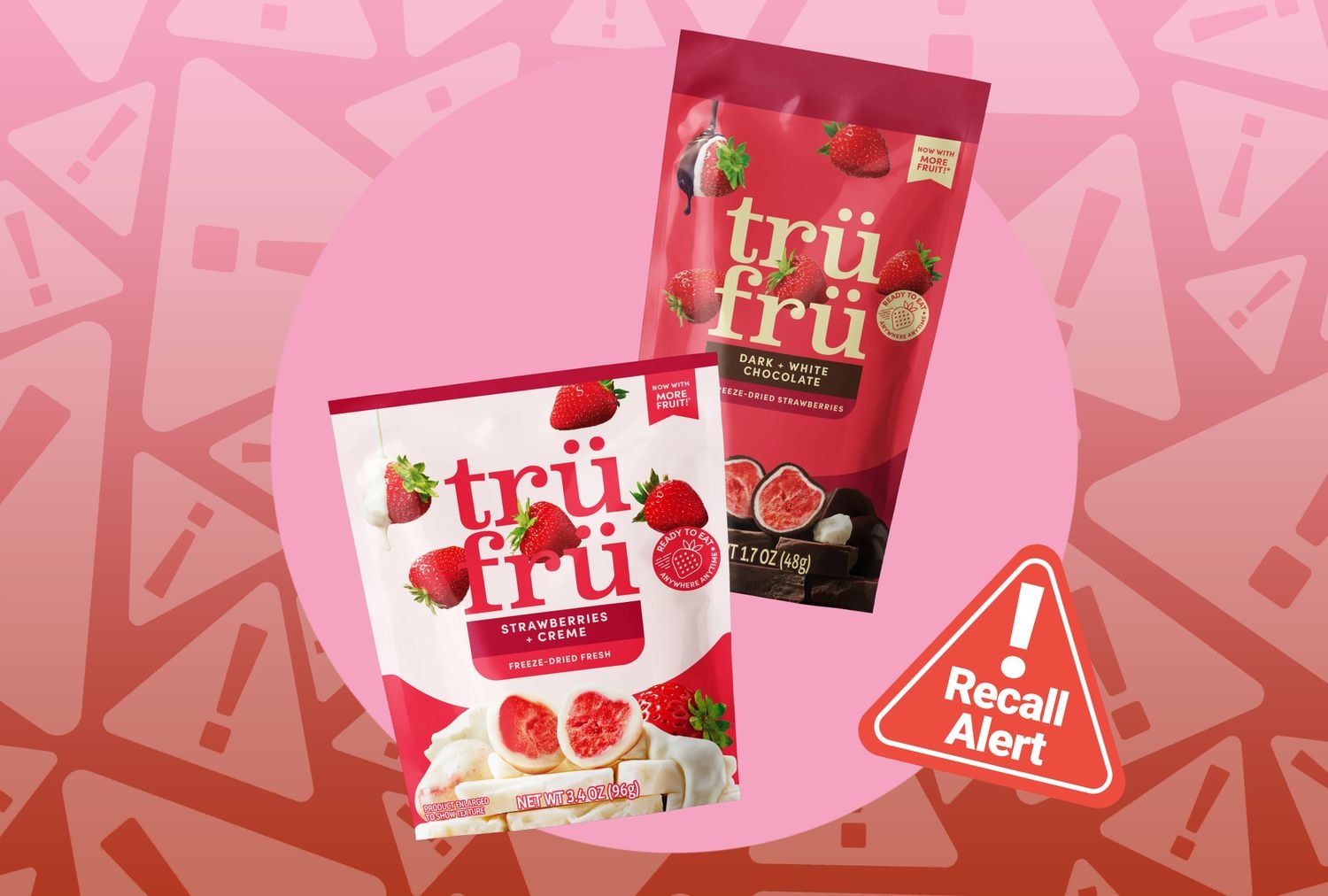
Food recalls can create confusion for consumers, especially when a popular snack brand becomes part of the headlines. Recently, many people started searching for information about the “Tru Fru product recall” after concerns surfaced regarding certain frozen fruit products. Since Tru Fru has gained popularity for its chocolate-covered frozen fruit snacks, customers naturally wanted to know whether their favorite products were safe to eat.
Understanding a food recall is important because it directly affects consumer safety. Recalls are usually announced when there is a possibility that a product may contain contamination, undeclared allergens, packaging issues, or other risks that could potentially harm customers. While not every recall leads to serious health problems, companies and regulatory authorities take these situations seriously to prevent any future risks.
In this article, we will discuss the Tru Fru product recall in detail, including what happened, why recalls occur, how consumers should respond, and what this means for the food industry overall. If you regularly purchase frozen fruit snacks or simply want to stay informed about food safety updates, this guide will provide all the information you need in a clear and easy-to-understand way.
What Is Tru Fru?
Tru Fru is a well-known snack brand that specializes in premium frozen and freeze-dried fruit products. The company became especially popular for its chocolate-covered strawberries, raspberries, bananas, and other fruit snacks that combine natural fruit with indulgent chocolate coatings. Many consumers appreciate the brand because it offers a balance between healthier snacking and dessert-style flavors.
One of the reasons Tru Fru gained attention in the market is its focus on “hyper-chilled” and freeze-dried technology. These processes help preserve the texture and flavor of real fruit while extending shelf life. Unlike many heavily processed snacks, Tru Fru products often appeal to customers looking for convenient treats made with real ingredients.
The brand is widely available in grocery stores, supermarkets, and warehouse retailers across the United States. Because of its growing popularity, any discussion surrounding a Tru Fru product recall quickly attracts attention online. Consumers who regularly keep these snacks in their freezer naturally want reassurance regarding product safety and quality standards.
Understanding the Tru Fru Product Recall
The phrase “Tru Fru product recall” began trending after reports circulated about concerns involving frozen fruit-related contamination risks. In many food recall cases, companies either voluntarily remove products from shelves or cooperate with food safety agencies to investigate possible health hazards. These recalls are precautionary measures designed to protect the public.
Food recalls can happen for many reasons. Sometimes products may be linked to bacterial contamination such as Listeria monocytogenes or Salmonella. In other situations, packaging labels may fail to mention allergens like milk, peanuts, or soy, which can create dangerous conditions for individuals with allergies. Even minor manufacturing issues can trigger a recall if there is any possibility of consumer harm.
For consumers, the most important thing is staying updated through reliable sources. Companies typically release official announcements explaining which products are affected, including product names, lot numbers, expiration dates, and instructions for refunds or disposal. Regulatory agencies also publish recall notices to ensure the public receives accurate information rather than relying on rumors circulating online.
Why Food Recalls Matter
Food recalls play a critical role in protecting public health. Even when the risk appears small, removing potentially unsafe products from stores can prevent illnesses and build consumer trust. Modern food production involves large-scale distribution networks, meaning a single issue can affect thousands of customers across multiple regions.
One major concern associated with frozen foods is bacterial contamination. Certain bacteria can survive freezing temperatures and may become dangerous if consumed. This is why companies perform regular testing and quality control checks throughout manufacturing and packaging processes. If any irregularity is detected, recalls may be initiated immediately to avoid larger problems.
Another important reason recalls matter is transparency. Consumers today expect brands to communicate openly when issues arise. A company’s response during a recall can significantly impact its reputation. Brands that act quickly, provide clear instructions, and prioritize customer safety often recover consumer trust more effectively than those that delay or provide limited information.
Common Causes of Product Recalls in the Food Industry
The food industry experiences recalls more frequently than many people realize. While some recalls receive national media attention, others remain relatively small and localized. Understanding the common causes helps consumers better understand why these situations occur.
Contamination is one of the leading causes of recalls. Bacteria such as Salmonella, E. coli, and Listeria can enter products during farming, processing, transportation, or packaging. Because frozen fruit products often contain minimally processed ingredients, manufacturers must maintain extremely strict sanitation standards to prevent contamination risks.
Undeclared allergens are another major issue. If a product label accidentally omits an ingredient like milk, nuts, or soy, consumers with allergies could experience severe reactions. Even small labeling errors can lead to nationwide recalls because allergen exposure can become life-threatening for sensitive individuals.
Packaging defects and foreign material contamination also contribute to recalls. Occasionally, products may contain fragments of plastic, metal, or other unintended materials due to equipment malfunctions. In such cases, manufacturers usually act quickly to remove affected products before injuries occur.
How Consumers Should Respond to a Recall
When a recall announcement is released, consumers should first identify whether they purchased the affected product. This usually involves checking product packaging for specific lot numbers, expiration dates, or UPC codes listed in the recall notice. Keeping product packaging can be helpful during this process.
If you discover that you own a recalled product, the safest approach is to avoid consuming it. Most companies instruct customers either to discard the product safely or return it to the retailer for a refund. Following the official guidance is important because even seemingly harmless products may carry hidden risks.
Consumers should also monitor their health if they have already eaten a recalled item. Symptoms related to foodborne illness can include nausea, vomiting, stomach cramps, fever, or diarrhea. In severe cases, medical attention may be necessary. Individuals with weakened immune systems, pregnant women, older adults, and young children are typically at higher risk from food-related illnesses.
The Impact of Product Recalls on Brands
Product recalls can significantly affect a company’s reputation and finances. Even if the issue is resolved quickly, consumers may temporarily lose confidence in the brand. In today’s digital world, recall news spreads rapidly through social media, online news websites, and consumer forums.
For brands like Tru Fru, maintaining customer trust is essential because the company competes in a highly competitive snack market. Consumers purchasing premium frozen fruit products often expect high-quality ingredients and strict safety standards. A recall can create hesitation among customers who may begin questioning the reliability of the company’s manufacturing process.
However, recalls do not always permanently damage a brand. Companies that respond professionally, communicate openly, and improve quality control measures can rebuild trust over time. Many successful food companies have experienced recalls in the past yet continued growing after implementing stronger safety systems and transparency practices.
Food Safety and Quality Control Measures
Food manufacturers invest heavily in safety and quality assurance systems to minimize the risk of recalls. These systems include ingredient testing, facility sanitation, employee training, and regular inspections. Modern food production facilities often use advanced technologies to detect contamination before products reach consumers.
Frozen fruit products require especially careful handling because fruit can be exposed to contamination at multiple stages, including harvesting, washing, packaging, and transportation. Manufacturers usually work closely with suppliers to ensure raw ingredients meet strict safety standards before entering production facilities.
Government agencies also play a major role in food safety oversight. Regulatory organizations conduct inspections, investigate consumer complaints, and coordinate recalls when necessary. Their goal is to ensure that food products sold to the public meet health and safety regulations consistently.
Consumer Awareness in the Digital Age
The internet has dramatically changed how consumers learn about product recalls. In the past, people relied mainly on television news or newspapers for recall announcements. Today, information spreads almost instantly through websites, social media platforms, and mobile alerts.
While faster access to information is helpful, it can also create confusion. Rumors and misleading posts sometimes circulate online before official details are confirmed. This is why consumers should always rely on trusted sources, including official company statements and government food safety agencies.
Increased consumer awareness has also encouraged companies to become more transparent. Many brands now publish recall information directly on their websites and social media pages. This direct communication helps customers quickly determine whether their products are affected and what actions they should take.
Final Thoughts on the Tru Fru Product Recall
The Tru Fru product recall highlights the importance of food safety, transparency, and consumer awareness in today’s food industry. While recalls can sound alarming, they are often precautionary measures designed to protect public health and prevent larger problems from developing.
For consumers, staying informed is the best approach. Checking official announcements, following recall instructions, and understanding food safety basics can help reduce risks and ensure safer purchasing decisions. Brands that respond responsibly during recalls usually demonstrate their commitment to customer well-being and long-term quality standards.
As the food industry continues evolving, recalls will likely remain an important part of maintaining safety and accountability. Whether you are a regular buyer of frozen fruit snacks or simply interested in food industry news, understanding how recalls work can help you make more informed decisions and stay protected as a consumer.