
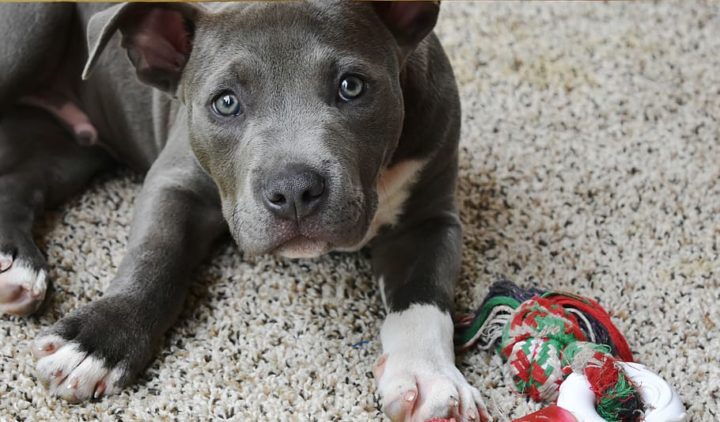
The Blue Nose Pitbull is one of the most recognizable and admired dogs in the world. Known for its beautiful bluish-gray coat, matching nose, and powerful yet affectionate personality, this dog has gained popularity among pet lovers who want a loyal, energetic, and loving companion. Despite the myths and misunderstandings surrounding Pitbull-type dogs, the Blue Nose Pitbull continues to prove that proper care, training, and socialization can reveal an incredibly gentle and devoted pet.
Many people are drawn to Blue Nose Pitbulls because of their unique appearance, but there is much more to this dog than its eye-catching looks. These dogs are intelligent, athletic, and deeply attached to their families. They thrive on companionship and often form strong bonds with both adults and children.
In this complete guide, we will explore everything you need to know about the Blue Nose Pitbull—from its history and physical characteristics to temperament, health concerns, training tips, and daily care requirements.
What Is a Blue Nose Pitbull?
The Blue Nose Pitbull is not a separate breed but rather a variation of the American Pit Bull Terrier. The term “blue nose” refers specifically to the dog’s bluish-gray nose and often its matching coat color, which results from a recessive gene affecting pigmentation.
Unlike what some people assume, Blue Nose Pitbulls are not rare exotic dogs created through special breeding programs. They are simply Pitbulls with a unique coloration. Their blue-gray appearance can vary from light silver to deep charcoal, making each dog visually distinctive.
Because of their unusual coloring, Blue Nose Pitbull puppies are often marketed at higher prices than standard Pitbulls. However, potential owners should focus on health, temperament, and ethical breeding practices rather than appearance alone. A responsible breeder prioritizes healthy bloodlines over cosmetic traits.
History and Origins of the Blue Nose Pitbull
To understand the Blue Nose Pitbull, it helps to understand the broader history of the American Pit Bull Terrier. This breed traces its roots back to 19th-century England, where bulldogs and terriers were crossed to create strong, agile dogs for farm work and various canine sports.
These dogs were later brought to the United States, where breeders refined them into the modern American Pit Bull Terrier. Over time, selective breeding produced different coat colors and physical traits, including the recessive gene responsible for the blue nose and coat.
Despite their historical association with working roles, Pitbulls eventually became beloved family dogs. In fact, they were once known as “nanny dogs” because of their reputation for being affectionate and protective around children. The Blue Nose Pitbull carries that same loyal and loving legacy.
Physical Characteristics of a Blue Nose Pitbull
One of the most obvious features of the Blue Nose Pitbull is its stunning coloration. The blue-gray nose is often paired with a matching coat, light-colored eyes, and gray nails, giving the dog a striking and elegant appearance.
These dogs typically have a muscular, athletic build. Adult males usually weigh between 35 and 65 pounds, while females tend to be slightly smaller. They have broad chests, strong jaws, and short, smooth coats that are easy to maintain.
Their ears may be natural or cropped, depending on owner preference and local regulations. While ear cropping remains controversial, many owners choose to keep their dog’s ears natural, which often enhances their soft and expressive appearance.
Blue Nose Pitbull Temperament and Personality
One of the biggest misconceptions about Blue Nose Pitbulls is that they are naturally aggressive. In reality, temperament depends largely on upbringing, training, and socialization.
Blue Nose Pitbulls are often affectionate, loyal, and eager to please. They crave human interaction and can become deeply attached to their families. Many owners describe them as “velcro dogs” because they love staying close to their people.
They are also highly intelligent and energetic. Without enough physical activity and mental stimulation, they may become bored and develop destructive habits. A well-exercised and properly trained Blue Nose Pitbull is usually calm, loving, and extremely friendly.
These dogs can be excellent with children when raised and supervised appropriately. Their playful nature often makes them wonderful family companions.
Training and Socialization Tips
Training a Blue Nose Pitbull should begin early. Like all intelligent breeds, they respond best to positive reinforcement methods such as treats, praise, and consistency.
Early socialization is especially important. Introducing your puppy to various people, environments, and other animals helps build confidence and reduces fear-based reactions later in life.
Blue Nose Pitbulls can be strong-willed, but they are also highly trainable. Short, engaging training sessions work best. Teaching basic commands such as sit, stay, and recall can create a solid foundation for good behavior.
Avoid harsh punishment, as it can damage trust and create anxiety. Building a respectful bond through patience and positive guidance leads to better long-term results.
Exercise and Activity Needs
Blue Nose Pitbulls are energetic dogs that require regular exercise to stay healthy and happy. A simple walk around the block usually isn’t enough to satisfy their physical and mental needs.
Daily activities should include brisk walks, play sessions, running, or interactive games like fetch and tug-of-war. Many Pitbulls also excel in agility training and obedience sports.
Mental stimulation is equally important. Puzzle toys, scent games, and training exercises help prevent boredom and encourage problem-solving skills.
Without enough exercise, Blue Nose Pitbulls may develop behavioral issues such as excessive chewing, digging, or hyperactivity. A tired dog is often a well-behaved dog.
Diet and Nutrition
Proper nutrition plays a major role in your Blue Nose Pitbull’s overall health. Because these dogs are muscular and active, they benefit from high-quality dog food rich in protein.
Look for formulas that list real meat as the first ingredient and avoid foods packed with fillers or artificial additives. Balanced fats, vitamins, and minerals support skin health, joint function, and energy levels.
Portion control is important, as Pitbulls can gain weight if overfed. Obesity can lead to joint problems and other health complications.
Fresh water should always be available, especially after exercise or during warm weather.
Common Health Issues
Like all dog breeds, Blue Nose Pitbulls can be prone to certain health conditions. Responsible breeding can reduce some risks, but owners should remain aware of common concerns.
Skin allergies are particularly common. Their short coat can make them sensitive to environmental allergens, certain foods, or grooming products.
Hip dysplasia may also occur, especially in poorly bred dogs. Regular veterinary checkups and maintaining a healthy weight can help reduce joint stress.
Heart disease, thyroid issues, and cataracts may also appear in some bloodlines. Routine veterinary care and early detection are essential for long-term health.
A healthy Blue Nose Pitbull can often live between 12 and 15 years with proper care.
Grooming and Maintenance
One of the easiest aspects of owning a Blue Nose Pitbull is grooming. Their short coat requires minimal maintenance compared to long-haired breeds.
Weekly brushing helps remove loose hair and keeps their coat shiny. Bathing should be done as needed, usually every few weeks or when they become dirty.
Regular nail trimming, ear cleaning, and dental care are also important. Neglecting these basic tasks can lead to discomfort or infection.
Because of their sensitive skin, it’s best to use gentle shampoos designed for dogs with allergies or delicate coats.
Is a Blue Nose Pitbull Right for You?
Owning a Blue Nose Pitbull can be incredibly rewarding, but it comes with responsibility. These dogs need time, attention, exercise, and proper training to thrive.
They are best suited for owners who can provide consistent leadership and companionship. If left alone for long periods, they may become anxious or destructive.
For active individuals or families looking for a loyal and affectionate dog, the Blue Nose Pitbull can be an excellent choice. Their loving nature often surprises people who only know them through stereotypes.
Understanding the breed beyond appearances is essential. With proper care, a Blue Nose Pitbull can become one of the most devoted and loving companions you’ll ever have.
Final Thoughts
The Blue Nose Pitbull is much more than a beautiful dog with a unique coat color. It is a loyal, intelligent, and affectionate companion capable of bringing endless joy to the right home.
While misconceptions about Pitbulls still exist, responsible ownership and education continue to change public perception. These dogs deserve to be understood for who they truly are—not judged by outdated stereotypes.
If you are considering adding a Blue Nose Pitbull to your family, focus on ethical breeding, proper training, and long-term commitment. When given love, structure, and care, this remarkable dog can become a lifelong best friend.