
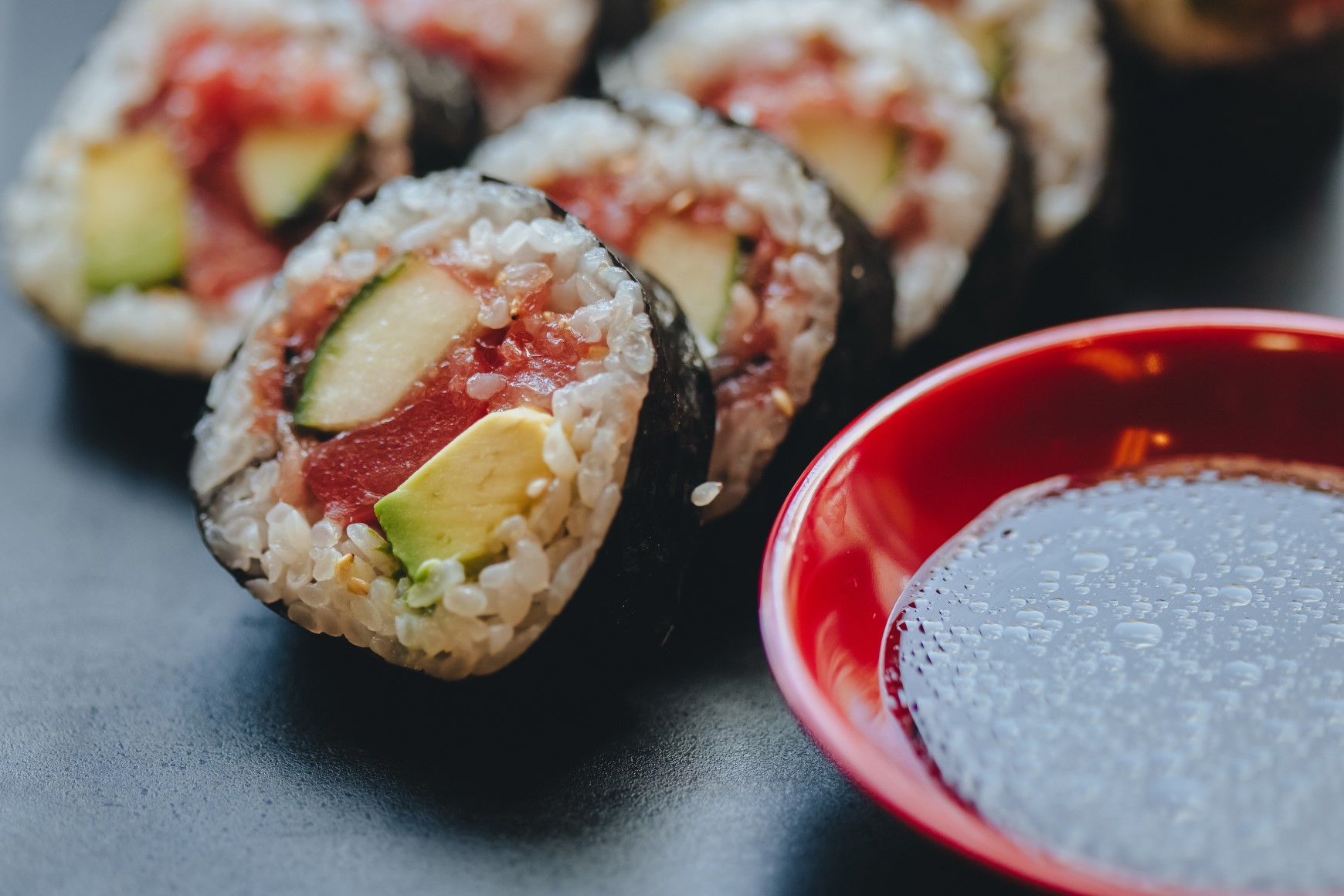
Introduction to Blue Fin Tuna Sushi
Blue fin tuna sushi has earned a legendary reputation in the world of Japanese cuisine. Whether you are visiting a high-end sushi restaurant or exploring authentic Japanese food for the first time, blue fin tuna is often considered the crown jewel of sushi. Its rich texture, buttery flavor, and melt-in-your-mouth experience make it one of the most desired seafood delicacies around the globe.
Unlike ordinary tuna varieties, blue fin tuna offers several cuts with different fat levels and textures. Sushi chefs value it because every section of the fish delivers a unique eating experience. From lean and clean-tasting slices to intensely rich fatty cuts, blue fin tuna gives sushi lovers something unforgettable in every bite.
The popularity of blue fin tuna sushi has also grown through social media, food documentaries, and fine dining culture. Many food enthusiasts now travel specifically to experience authentic blue fin tuna prepared by skilled sushi masters. It has become more than just a meal — it is often treated as a culinary event.
What Makes Blue Fin Tuna Special?
One major reason blue fin tuna sushi is so highly respected is the incredible fat distribution found within the fish. The marbling resembles premium beef, giving the sushi a luxurious texture that practically dissolves on the tongue. This richness creates a balanced combination of sweetness, umami, and ocean freshness.
Blue fin tuna is also significantly larger than many other tuna species. Some can weigh hundreds of kilograms, allowing chefs to create multiple sushi cuts from a single fish. The different sections provide a variety of textures and flavors, making it highly versatile in sushi preparation.
Another factor is rarity and demand. Blue fin tuna is expensive because top-quality fish are difficult to source. Sushi restaurants often compete for the best catches at seafood auctions, especially in Japan. The combination of scarcity, craftsmanship, and flavor contributes to its premium reputation.
Different Cuts of Blue Fin Tuna Sushi
Akami – The Lean Cut
Akami is the leanest portion of blue fin tuna and usually comes from the sides of the fish. It has a deep red color and a cleaner, meatier flavor compared to fatty cuts. Many sushi beginners start with akami because it offers a balanced introduction to tuna sushi without overwhelming richness.
The texture of akami is firm yet tender. Skilled sushi chefs often serve it with minimal seasoning to allow the natural flavor to shine. A small amount of soy sauce and wasabi is usually enough to enhance the experience.
Even though it contains less fat, akami remains incredibly flavorful. Good-quality akami can taste slightly sweet and fresh, proving that lean tuna can still feel luxurious when properly prepared.
Chutoro – The Medium Fatty Cut
Chutoro comes from the belly area of the fish and contains a moderate amount of fat. It is often considered the perfect middle ground between lean and ultra-rich sushi cuts. Many sushi lovers describe chutoro as smooth, buttery, and highly satisfying.
The marbling in chutoro creates a soft texture that melts gently in the mouth. This cut is especially popular among sushi enthusiasts who want richness without excessive heaviness. Its flavor profile is balanced, elegant, and complex.
Because chutoro combines texture and flavor so well, it is commonly featured in omakase dining experiences. Sushi chefs often consider it one of the most crowd-pleasing cuts of blue fin tuna.
Otoro – The Ultimate Luxury
Otoro is the fattiest and most expensive cut of blue fin tuna. Taken from the belly portion near the head, otoro contains intense marbling that creates a silky, almost creamy texture. For many sushi fans, otoro represents the highest level of sushi indulgence.
The flavor is rich, buttery, and incredibly delicate. Instead of tasting fishy, high-quality otoro feels smooth and refined. The fat melts instantly on the tongue, leaving behind a sweet and savory finish.
Because of its rarity and demand, otoro is usually served in upscale sushi restaurants. A single piece can be expensive, but many food lovers believe the unforgettable taste is worth every bite.
How Sushi Chefs Prepare Blue Fin Tuna
Preparing blue fin tuna sushi requires years of skill and experience. Sushi chefs carefully select the correct knife techniques depending on the cut being served. Precision slicing is essential because the texture can change dramatically with improper handling.
Temperature control also plays a major role in maintaining freshness and flavor. The fish must be stored correctly to preserve its delicate fat content. Experienced sushi chefs understand exactly how long the tuna should rest before serving to achieve the ideal texture.
Rice preparation is equally important. Sushi rice should complement the tuna rather than overpower it. The balance between vinegar, sweetness, and temperature helps create harmony between the rice and the fish. When done correctly, every bite feels smooth and perfectly balanced.
The Flavor Experience of Blue Fin Tuna Sushi
Eating blue fin tuna sushi is very different from eating standard tuna rolls at casual restaurants. The first thing most people notice is the texture. Instead of chewy or dry fish, blue fin tuna feels soft, rich, and almost creamy.
The flavor is also remarkably layered. Lean cuts deliver freshness and umami, while fatty cuts offer buttery richness with a slightly sweet finish. The complexity makes each bite feel refined and memorable.
Another important element is simplicity. Authentic blue fin tuna sushi often contains only rice, fish, and perhaps a small touch of soy sauce or wasabi. This minimalist preparation allows the natural quality of the tuna to remain the star of the dish.
Health Benefits of Blue Fin Tuna Sushi
Blue fin tuna sushi is not only delicious but also packed with nutritional value. Tuna contains high-quality protein, which helps support muscle growth and overall body function. This makes sushi a satisfying meal that can fit into a balanced diet.
The fish is also rich in omega-3 fatty acids. These healthy fats are associated with heart health, brain function, and reduced inflammation. Fatty cuts like otoro contain particularly high levels of omega-3s, contributing to their rich texture and health benefits.
Additionally, blue fin tuna provides essential vitamins and minerals such as vitamin D, selenium, and B vitamins. While moderation is important due to mercury levels found in large fish, enjoying blue fin tuna occasionally can be part of a healthy eating lifestyle.
Sustainability and Ethical Concerns
Despite its popularity, blue fin tuna has become a major topic in sustainability discussions. Overfishing has significantly impacted global tuna populations, leading conservation groups to push for stricter fishing regulations.
Many responsible sushi restaurants now focus on sourcing tuna from regulated fisheries that follow sustainable practices. Customers are also becoming more aware of where their seafood comes from and how it is harvested.
Choosing restaurants that support ethical sourcing can help encourage responsible fishing practices. Sustainable seafood programs and certifications are becoming increasingly important in the modern sushi industry, especially for premium species like blue fin tuna.
Best Ways to Enjoy Blue Fin Tuna Sushi
To fully appreciate blue fin tuna sushi, it is best eaten fresh and served at the correct temperature. Many sushi experts recommend eating the sushi shortly after it is prepared so the rice and fish maintain their ideal texture.
Minimal soy sauce is usually recommended because too much can overpower the delicate flavors. Some sushi chefs even season the sushi themselves, meaning additional soy sauce may not be necessary.
Pairing blue fin tuna sushi with green tea, sake, or light Japanese appetizers can also enhance the overall dining experience. A calm and relaxed setting allows diners to focus on the craftsmanship and flavor of the sushi itself.
Conclusion
Blue fin tuna sushi represents the perfect combination of tradition, craftsmanship, luxury, and flavor. From the lean richness of akami to the buttery decadence of otoro, every cut offers a unique experience that sushi lovers around the world appreciate deeply.
Its popularity continues to grow because of its unmatched texture and unforgettable taste. Skilled sushi chefs transform this prized fish into an elegant dining experience that highlights simplicity and quality at the highest level.
Although sustainability remains an important issue, responsibly sourced blue fin tuna can still be enjoyed as a remarkable culinary treat. For anyone passionate about sushi, experiencing authentic blue fin tuna at least once is something truly special and memorable.