
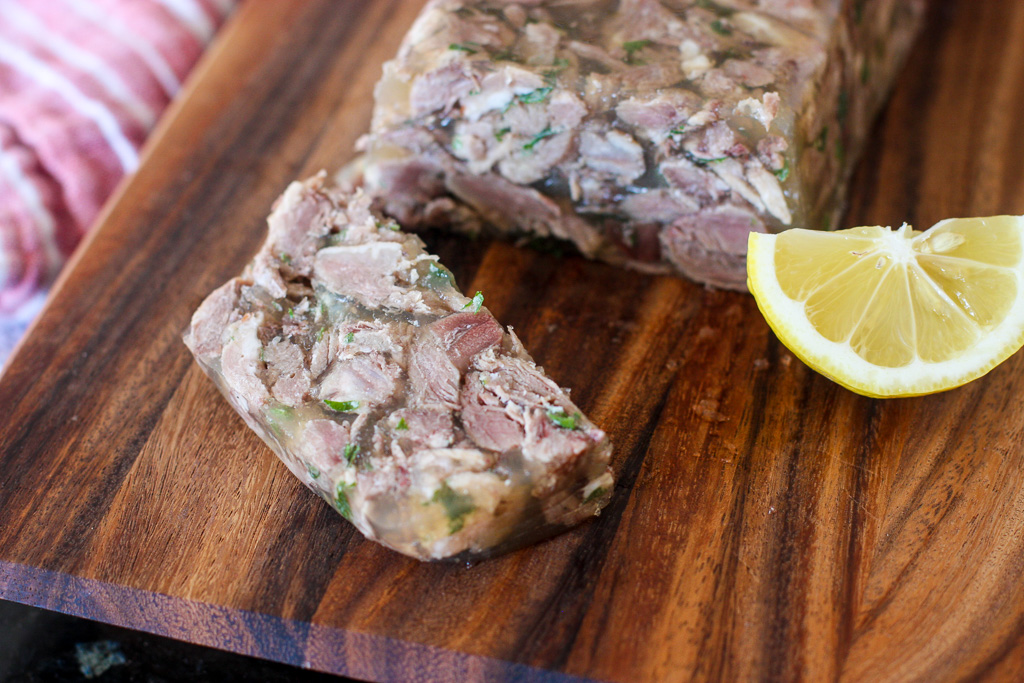
Head cheese is one of those foods that often sparks curiosity the moment people hear its name. Despite what the name suggests, it contains no dairy and is not actually cheese. Instead, head cheese is a traditional meat delicacy made by simmering parts of an animal’s head—usually pork or calf—until the natural collagen creates a rich, sliceable jelly. It may sound unusual to some, but this dish has a long culinary history and remains beloved in many cultures around the world.
For centuries, head cheese has represented resourcefulness in cooking. Before modern food waste awareness became a movement, people used every edible part of an animal to create flavorful and nourishing meals. is one of the best examples of this “nose-to-tail” philosophy. What was once considered a practical way to preserve meat has evolved into a respected traditional food enjoyed in homes, butcher shops, and gourmet restaurants.
In this article, we’ll explore everything you need to know about —what it is, how it’s made, where it comes from, how it tastes, and why it continues to attract food lovers today.
What Is Head Cheese?
At first glance, can look a bit intimidating, especially for those unfamiliar with traditional charcuterie. It typically appears as a loaf or terrine containing chunks of meat suspended in a gelatin-like substance. The gelatin forms naturally during cooking from the collagen extracted from bones, skin, and connective tissue.
Head cheese is commonly made using the meat from a pig’s head, though variations can include calf, cow, or even sheep. The ears, cheeks, tongue, and other tender cuts are slowly cooked until soft, then chopped or shredded. These pieces are mixed with seasonings and packed into molds where the broth sets into a firm jelly.
The name “head cheese” likely comes from the loaf’s cheese-like appearance once sliced. While the word can sound misleading, the dish has nothing to do with dairy products. It belongs more accurately to the world of cold cuts and terrines, often served chilled as part of a charcuterie board or traditional meal.
The History and Origins of Head Cheese
has roots that stretch back hundreds of years and can be found in many different culinary traditions. In Europe, it has long been a staple in countries such as Germany, France, Poland, and the Netherlands. Each culture has its own version, often with unique spices and preparation methods.
In Germany, head cheese is known as Sülze or Presskopf and is often seasoned with vinegar and pickles for a tangy flavor. In France, a similar preparation is called fromage de tête, which directly translates to “cheese of the head.” Eastern European countries often include garlic, black pepper, and paprika to create bold, savory versions.
Historically, head cheese was a practical food. Rural families and butchers needed ways to use every part of an animal after slaughter. By boiling the head and preserving the meat in gelatin, they created a food that lasted longer and provided valuable nutrients. What began as necessity eventually became tradition.
How Head Cheese Is Made
Making head cheese requires patience, but the process itself is surprisingly straightforward. The first step involves thoroughly cleaning and preparing the animal head. It is then simmered slowly for several hours with aromatic vegetables such as onions, carrots, celery, and garlic.
As the meat cooks, collagen from the bones and skin dissolves into the broth. This collagen is essential because it naturally transforms into gelatin once cooled, helping bind the meat together without needing artificial additives.
Once the meat becomes tender, it is carefully removed from the bones and chopped into bite-sized pieces. The broth is strained, seasoned, and sometimes enhanced with vinegar or herbs. The meat is packed into molds or loaf pans, covered with the broth, and refrigerated until firm.
After chilling, the result is a dense, flavorful loaf that can be sliced and served cold. Depending on the recipe, head cheese may have a rustic chunky texture or a more refined, uniform appearance.
What Does Head Cheese Taste Like?
Many people are surprised by how flavorful and enjoyable head cheese can be. The taste largely depends on the seasonings used, but generally it has a rich, savory flavor with a silky mouthfeel from the natural gelatin.
The meat itself tends to be tender and slightly fatty, especially if it includes cheek or tongue. These cuts are known for their deep, porky flavor. The gelatin adds smoothness and moisture rather than a strong taste of its own.
Seasonings can dramatically change the flavor profile. Some versions are mildly seasoned with salt, pepper, and bay leaves, while others include garlic, mustard seeds, vinegar, or hot spices. Tangy variations can have a refreshing brightness, while heavily seasoned versions may taste more robust and hearty.
For those who enjoy pâté, terrines, or other charcuterie, head cheese often feels familiar. Its combination of tender meat and savory broth creates a unique but approachable experience.
Different Types of Head Cheese Around the World
Head cheese appears in many regional forms, each reflecting local culinary traditions. Some versions are simple and rustic, while others are refined enough for gourmet dining.
German-style head cheese often includes vinegar and vegetables, giving it a slightly sour and refreshing taste. It is commonly served sliced with rye bread and mustard. French fromage de tête may feature herbs, white wine, and delicate seasoning for a more elegant presentation.
In Eastern Europe, head cheese can be heavily seasoned with garlic, black pepper, and paprika. These versions are often served during holidays and family celebrations. In parts of Latin America, similar dishes may incorporate chili peppers and local spices for extra warmth and complexity.
Even within the United States, regional butcher shops may produce their own versions. Southern and Midwestern communities, especially those with European heritage, often keep the tradition alive through family recipes.
Is Head Cheese Healthy?
Head cheese can offer several nutritional benefits, especially when consumed in moderation. It is rich in protein, which supports muscle maintenance and overall body function.
Because it contains collagen and gelatin, head cheese may also contribute to joint, skin, and connective tissue health. Collagen has gained popularity in modern wellness circles, and traditional foods like head cheese naturally provide it.
The dish also contains important minerals such as iron, zinc, and B vitamins. These nutrients support immune function, energy production, and healthy blood cells.
However, head cheese can also be high in sodium and saturated fat, depending on how it is prepared. Store-bought varieties may contain preservatives or added salt, so reading labels is wise. Homemade versions allow more control over ingredients and seasoning.
How to Serve and Enjoy Head Cheese
Head cheese is typically served chilled and sliced thinly. One of the most traditional ways to enjoy it is on fresh bread with mustard, pickles, and onions. The acidity of these accompaniments balances the richness of the meat beautifully.
It can also be part of a charcuterie platter alongside cheeses, cured meats, olives, and crusty bread. In gourmet settings, chefs may pair it with salads, vinaigrettes, or fruit preserves for a modern twist.
Some people enjoy head cheese with crackers as a snack, while others include it in sandwiches. Because it is fully cooked and ready to eat, it requires little preparation beyond slicing.
Its versatility makes it suitable for both casual meals and special occasions.
Why Head Cheese Deserves More Appreciation
Head cheese often suffers from a misunderstanding caused by its unusual name and unfamiliar appearance. Yet beneath that first impression lies a food deeply connected to culinary heritage, sustainability, and craftsmanship.
In a world increasingly focused on reducing waste and honoring traditional cooking methods, head cheese represents an important lesson. It shows how creativity and respect for ingredients can transform humble cuts into something delicious and meaningful.
Chefs and food enthusiasts are beginning to rediscover classic preparations like head cheese as part of the broader nose-to-tail movement. What was once considered old-fashioned is now being appreciated for its authenticity and flavor.
For adventurous eaters, trying head cheese can be an opportunity to connect with history while expanding culinary horizons.
Final Thoughts on Head Cheese
Head cheese may not be the most familiar item on the menu, but it is certainly one of the most fascinating. Rich in history, packed with flavor, and rooted in sustainable food traditions, it offers much more than its unusual name suggests.
Whether you encounter it at a local butcher shop, a European deli, or make it yourself at home, head cheese is worth experiencing at least once. It’s a reminder that some of the most rewarding foods come from tradition, patience, and an appreciation for every ingredient.
For those willing to look beyond the name, head cheese might just become an unexpected favorite.