
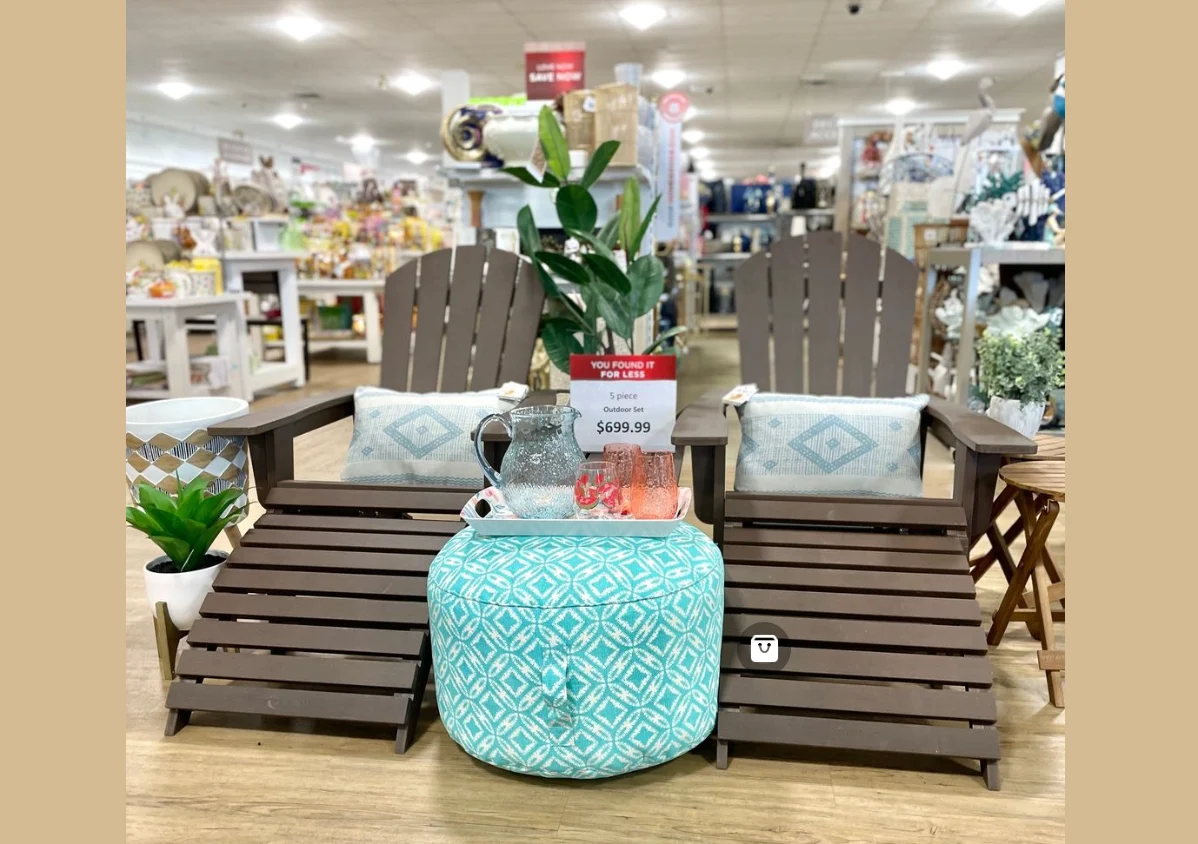
Creating a comfortable and visually appealing home starts with selecting the right home goods. Whether you’re decorating a new house, refreshing your current living space, or simply replacing old essentials, home goods play a major role in defining your environment. From furniture and kitchen essentials to decorative accessories and storage solutions, every item contributes to both the functionality and personality of your home.
Home goods are much more than practical necessities—they are investments in your daily comfort and lifestyle. The right choices can improve organization, boost relaxation, and make everyday tasks easier. A thoughtfully designed home can even positively affect your mood and productivity, turning ordinary spaces into places you genuinely enjoy spending time in.
In this guide, we’ll explore everything you need to know about home goods, including their importance, different categories, how to choose quality products, current trends, and smart shopping tips. Whether you prefer a minimalist look, cozy comfort, or modern luxury, this expert guide will help you make informed decisions.
Understanding Home Goods and Why They Matter
Home goods refer to the everyday products and decorative items used to furnish, organize, and beautify a home. These can include furniture, bedding, cookware, lighting, storage containers, wall décor, rugs, and much more. Essentially, anything that enhances your living space can fall into the category of home goods.
The importance of home goods goes beyond aesthetics. Functional items such as durable cookware, comfortable bedding, and efficient storage solutions directly improve your quality of life. Investing in well-made home essentials can reduce stress, simplify routines, and create a more harmonious environment.
Additionally, home goods allow homeowners and renters to express personal style. Through carefully selected colors, textures, and designs, you can transform any space into something uniquely yours. Your home should reflect your personality, and home goods are one of the easiest ways to make that happen.
Essential Categories of Home Goods
Furniture and Living Room Essentials
Furniture forms the foundation of every home. Sofas, chairs, coffee tables, bookshelves, and entertainment units provide both functionality and visual structure. Choosing furniture that balances comfort and style is essential for creating a welcoming atmosphere.
Quality furniture can be a long-term investment, especially when made from durable materials such as solid wood, metal, or premium upholstery fabrics. While trendy designs may catch your eye, timeless pieces often provide better long-term value and flexibility.
In the living room, layering furniture with complementary home goods like throw pillows, blankets, and rugs adds warmth and dimension. These smaller details can easily refresh your space without requiring a full redesign.
Kitchen and Dining Essentials
The kitchen is often considered the heart of the home, making quality kitchen goods a necessity. Essential home goods for this area include cookware, utensils, storage containers, cutting boards, and small appliances.
Durability and practicality should guide your kitchen purchases. Stainless steel cookware, airtight food containers, and easy-to-clean tools are excellent investments that improve daily cooking experiences.
Dining essentials such as plates, glasses, serving trays, and table linens also contribute to the overall home experience. Beautiful dining accessories can elevate everyday meals and make entertaining guests more enjoyable.
Bedroom Comfort and Relaxation
A restful bedroom depends heavily on selecting the right home goods. Bedding, pillows, mattresses, curtains, and lighting all influence sleep quality and comfort.
Soft, breathable sheets made from cotton or linen can dramatically improve your sleep environment. Supportive pillows and quality blankets add both luxury and practical comfort.
Decorative touches like bedside lamps, area rugs, and calming wall art can transform a simple bedroom into a relaxing retreat. Prioritizing comfort in this space can positively impact your physical and mental well-being.
Bathroom Essentials
Bathrooms often require practical yet stylish home goods. Towels, shower curtains, organizers, soap dispensers, and bath mats all contribute to functionality and cleanliness.
Choosing absorbent towels and moisture-resistant accessories ensures durability. Storage solutions like baskets and shelves help keep toiletries organized and accessible.
Adding decorative elements such as candles, small plants, or elegant mirrors can create a spa-like atmosphere, making your bathroom feel more luxurious and inviting.
How to Choose High-Quality Home Goods
Focus on Material and Durability
One of the most important factors when selecting home goods is material quality. Solid wood, natural fibers, stainless steel, and ceramic materials often offer better longevity than cheaper alternatives.
Inspect product details carefully before purchasing. Read labels, understand care instructions, and prioritize craftsmanship over appearance alone. A beautiful item that wears out quickly is rarely worth the investment.
High-quality home goods may cost more initially, but they often save money over time by reducing the need for frequent replacements.
Balance Style and Functionality
A common mistake is choosing home goods based solely on appearance. While aesthetics matter, functionality should always remain a priority.
For example, a stylish sofa should also provide adequate support and comfort. Decorative storage baskets should still serve their organizational purpose effectively.
The best home goods combine beauty and practicality, helping your home look polished while improving everyday usability.
Consider Space and Proportion
Before buying any home goods, evaluate the dimensions of your space. Oversized furniture can make rooms feel cramped, while items that are too small may seem disconnected or insignificant.
Measure carefully and visualize how each piece will fit with existing décor. Thoughtful proportion creates balance and harmony throughout the home.
Choosing the right scale also helps maximize comfort and functionality, especially in smaller apartments or compact rooms.
Popular Home Goods Trends in 2026
Sustainable and Eco-Friendly Products
Sustainability continues to shape home goods trends. Consumers are increasingly choosing eco-friendly materials such as bamboo, recycled glass, organic cotton, and reclaimed wood.
These products not only reduce environmental impact but often bring natural beauty into the home. Eco-conscious shopping allows homeowners to create stylish spaces while supporting responsible production practices.
Reusable kitchen products, biodegradable cleaning tools, and energy-efficient appliances are especially popular choices.
Minimalist and Multi-Functional Design
Modern homeowners are embracing simplicity. Minimalist home goods with clean lines, neutral colors, and uncluttered designs remain highly desirable.
Multi-functional items are also gaining popularity. Storage ottomans, foldable tables, and modular furniture help maximize utility while maintaining visual simplicity.
These smart solutions are ideal for smaller living spaces and anyone seeking a more organized lifestyle.
Warm, Cozy Textures
Soft textures continue to dominate home décor trends. Plush rugs, knitted throws, velvet cushions, and textured ceramics create warmth and visual depth.
Layering different textures can make even simple spaces feel luxurious and inviting. Comfort-driven design is becoming a major priority as people spend more time at home.
Natural tones such as beige, terracotta, olive green, and warm white are especially popular for creating cozy interiors.
Smart Shopping Tips for Buying Home Goods
Set a Budget
Home goods can quickly become expensive, especially when furnishing multiple rooms. Setting a clear budget helps prioritize essential purchases and avoid impulse buying.
Focus on investing more in high-use items such as mattresses, sofas, and cookware. Decorative accessories can often be updated gradually over time.
A strategic budget allows you to create a beautiful home without unnecessary financial stress.
Read Reviews and Compare Options
Online reviews can provide valuable insight into product quality, durability, and real-world performance. Take time to compare multiple brands before making larger purchases.
Look for consistent positive feedback related to craftsmanship, comfort, and customer satisfaction.
Researching products carefully reduces the likelihood of disappointment and helps you identify the best value.
Shop Seasonally
Many retailers offer significant discounts on home goods during holiday sales, clearance events, and seasonal transitions.
Planning purchases around major sales can help you save substantially on furniture, décor, and essential household items.
Patience often pays off, especially for larger investments.
Final Thoughts on Choosing the Best Home Goods
Selecting the right home goods is one of the most effective ways to improve your living space. Every item—from furniture and kitchen tools to decorative accents—contributes to the comfort, function, and personality of your home.
By focusing on quality, balancing style with practicality, and staying aware of current trends, you can make smart decisions that enhance your daily life. Home goods should support how you live while making your surroundings more enjoyable.
Ultimately, a well-designed home is not about perfection—it’s about creating a space that feels comfortable, organized, and truly yours. With thoughtful choices and a clear vision, your ideal home can come together one carefully selected piece at a time.