
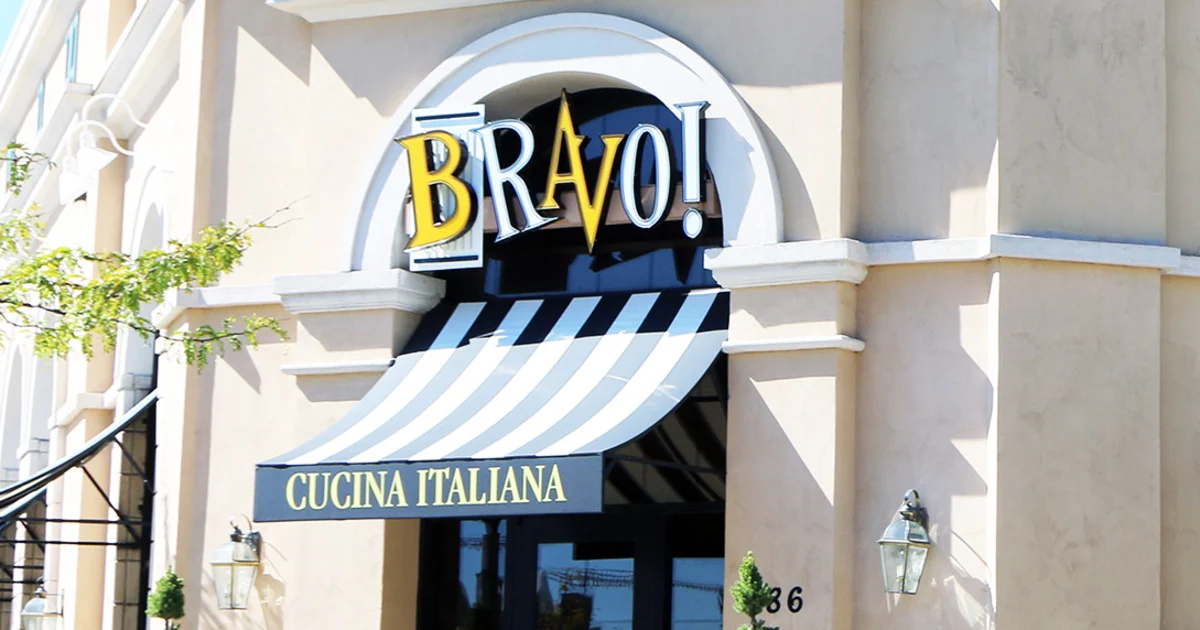
When people search for “Italian restaurant chain Chapter 11,” they are usually referring to financial distress situations where an Italian-themed restaurant chain files for bankruptcy protection under Chapter 11 of the U.S. Bankruptcy Code. This process allows companies to reorganize their debts and continue operating while trying to restore profitability.
What Is Chapter 11?
Chapter 11 is a legal process in the United States designed for businesses that are struggling financially but want to keep operating.
Instead of shutting down immediately, a company under Chapter 11:
- Continues running daily operations
- Negotiates with creditors to restructure debt
- May close underperforming locations
- Attempts to return to profitability
It is often called “reorganization bankruptcy” rather than liquidation.
Why Italian Restaurant Chains File for Chapter 11
Italian restaurant chains, like other casual dining businesses, face strong competition and rising costs. Several factors can push them into financial trouble:
1. High Operating Costs
Rent, ingredients, labor, and utilities can become too expensive, especially for large chains.
2. Changing Consumer Preferences
Customers increasingly prefer fast-casual dining, delivery apps, or healthier food options instead of traditional sit-down restaurants.
3. Competition in the Restaurant Industry
The food service market is highly competitive, with many brands offering similar Italian-style menus.
4. Economic Downturns
During recessions or crises, people eat out less often, reducing restaurant revenue.
5. Overexpansion
Some chains open too many locations too quickly, leading to financial strain.
What Happens During Chapter 11 for Restaurant Chains
When an Italian restaurant chain enters Chapter 11, several changes may occur:
- Closure of unprofitable branches
- Renegotiation of lease agreements
- Workforce reductions
- Menu restructuring or pricing changes
- Rebranding or ownership changes
The goal is to stabilize the business and make it sustainable again.
Example of Italian Restaurant Chains Facing Chapter 11
Some well-known casual dining chains serving Italian-style cuisine have gone through Chapter 11 at different times.
Buca di Beppo
Buca di Beppo is one of the most recognized Italian-American restaurant chains that has faced financial restructuring. It has filed for Chapter 11 bankruptcy more than once, mainly due to declining sales and changing dining trends. The company used restructuring to reduce debt and close underperforming locations while continuing operations.
How Chapter 11 Affects Customers
For customers, Chapter 11 does not always mean a restaurant disappears immediately. In many cases:
- Restaurants remain open during restructuring
- Menus and food quality may change
- Some locations may close
- Gift cards and promotions may still be honored (depending on court approval)
However, long-term stability depends on how successful the restructuring process is.
Impact on the Restaurant Industry
Chapter 11 filings by Italian restaurant chains highlight broader trends in the dining industry:
Shift to Fast-Casual Dining
Consumers prefer quicker service and more affordable options.
Rise of Delivery Platforms
Apps like Uber Eats and DoorDash have changed how people order food.
Need for Digital Transformation
Restaurants must invest in online ordering and marketing to stay competitive.
Brand Reinvention
Many chains are modernizing menus and redesigning restaurants to attract younger customers.
Can Restaurant Chains Recover from Chapter 11?
Yes, recovery is possible. Some companies successfully emerge from Chapter 11 stronger by:
- Reducing debt burden
- Closing unprofitable locations
- Improving marketing strategies
- Updating menus and branding
However, success depends on strong management and changing market conditions.
Final Thoughts
The term “Italian restaurant chain Chapter 11” reflects a common challenge in the restaurant industry: adapting to financial pressure and changing customer behavior. Chapter 11 is not always the end—it is often a chance for restructuring and survival. Chains like Buca di Beppo show how businesses can use this process to continue operating while trying to rebuild stability in a competitive food industry.