
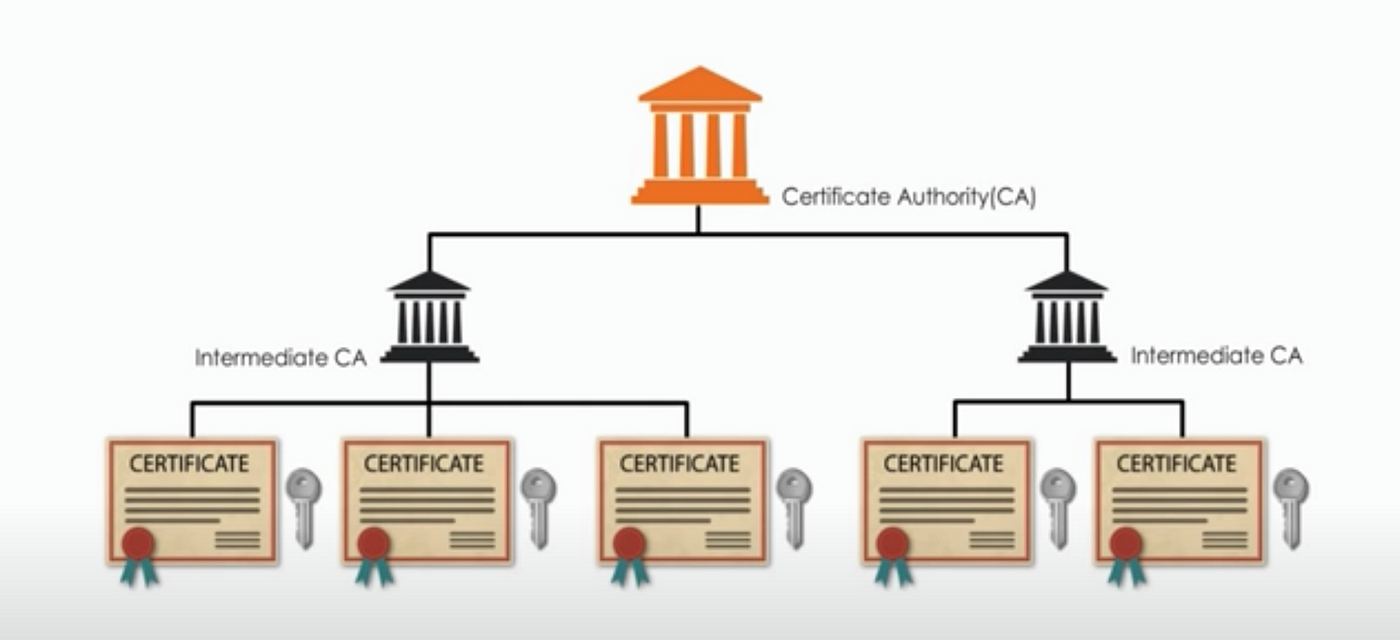
An SSL certificate chain is a sequence of digital certificates that establishes trust between a user’s web browser and a secure website. It plays a critical role in HTTPS encryption by verifying that a website is authentic, secure, and trusted by recognized Certificate Authorities (CAs).
Whenever you visit a secure website that uses HTTPS, your browser checks the SSL certificate chain to confirm that the connection is safe before transmitting sensitive information like passwords, payment details, or personal data.
Understanding SSL Certificates
Before learning about an SSL certificate chain, it is important to understand what an SSL certificate is.
An SSL certificate is a digital security certificate used to:
- Encrypt data transferred between users and websites
- Verify website identity
- Enable HTTPS security
- Protect sensitive online information
SSL stands for Secure Sockets Layer, although modern systems now use TLS (Transport Layer Security), which is the updated version of SSL technology.
What Is an SSL Certificate Chain?
An SSL certificate chain is the order of certificates used to connect a website’s SSL certificate to a trusted root certificate authority.
The chain usually contains three main parts:
- Root Certificate
- Intermediate Certificate
- Server Certificate
These certificates work together to establish trust and secure communication.
How the SSL Certificate Chain Works
When a user visits a secure website:
- The website sends its SSL certificate to the browser
- The browser checks who issued the certificate
- The browser verifies the intermediate certificate
- The browser traces the certificate back to a trusted root certificate
- If everything is valid, the secure HTTPS connection is established
This verification process happens within seconds.
Components of an SSL Certificate Chain
Root Certificate
The root certificate is the highest level of trust in the chain. It belongs to a trusted Certificate Authority (CA) that browsers and operating systems already recognize.
Examples of trusted certificate authorities include:
- DigiCert
- Sectigo
- GlobalSign
- Let’s Encrypt
Root certificates are usually stored directly in browsers and operating systems.
Intermediate Certificate
Intermediate certificates act as a bridge between the root certificate and the website’s server certificate.
Certificate Authorities use intermediate certificates to improve security because root certificates are kept highly protected and rarely used directly.
A website may use one or multiple intermediate certificates.
Server Certificate
The server certificate is installed directly on the website server. It contains:
- The domain name
- Encryption details
- Expiration date
- Certificate authority information
This is the certificate users see when clicking the padlock icon in a browser.
Why SSL Certificate Chains Matter
SSL certificate chains are important because they:
- Establish website trust
- Enable HTTPS encryption
- Protect user data
- Prevent impersonation attacks
- Improve browser security
- Support secure online transactions
Without a valid certificate chain, browsers may display warnings like:
- “Your connection is not private”
- “Certificate not trusted”
- “SSL certificate error”
Common SSL Certificate Chain Problems
Missing Intermediate Certificates
One of the most common SSL issues occurs when intermediate certificates are not installed correctly on the server.
This can cause:
- Browser trust errors
- Security warnings
- Failed HTTPS connections
Expired Certificates
If any certificate in the chain expires, the secure connection may fail.
Incorrect Certificate Order
Certificates must be installed in the proper sequence to create a valid trust chain.
Self-Signed Certificates
Self-signed certificates are not trusted by browsers because they are not issued by recognized certificate authorities.
How to Check an SSL Certificate Chain
Several online tools can analyze SSL certificate chains and identify errors. These tools help website owners verify:
- Certificate validity
- Intermediate certificate installation
- Expiration dates
- HTTPS configuration
Popular SSL checking tools include:
- SSL Labs
- DigiCert SSL Checker
- Why No Padlock
Benefits of Proper SSL Configuration
A correctly configured SSL certificate chain provides:
- Strong website security
- Better user trust
- Improved SEO rankings
- Secure online transactions
- Encrypted communication
- Reduced browser warnings
Search engines like Google also favor HTTPS-enabled websites in search rankings.
SSL Certificate Chain and SEO
HTTPS security has become an important SEO ranking factor. Websites using valid SSL certificate chains are generally considered more trustworthy and secure.
Benefits for SEO include:
- Better search engine visibility
- Increased user confidence
- Lower bounce rates
- Improved website credibility
Conclusion
An SSL certificate chain is an essential part of website security and HTTPS encryption. It creates a trusted connection between a website and a user’s browser by linking server certificates to recognized certificate authorities.
Understanding how SSL certificate chains work helps website owners improve security, avoid browser errors, and build trust with visitors. Whether running a personal blog, business website, or online store, maintaining a valid SSL certificate chain is critical for modern web security and user protection.