
What Is Chicken Wire?
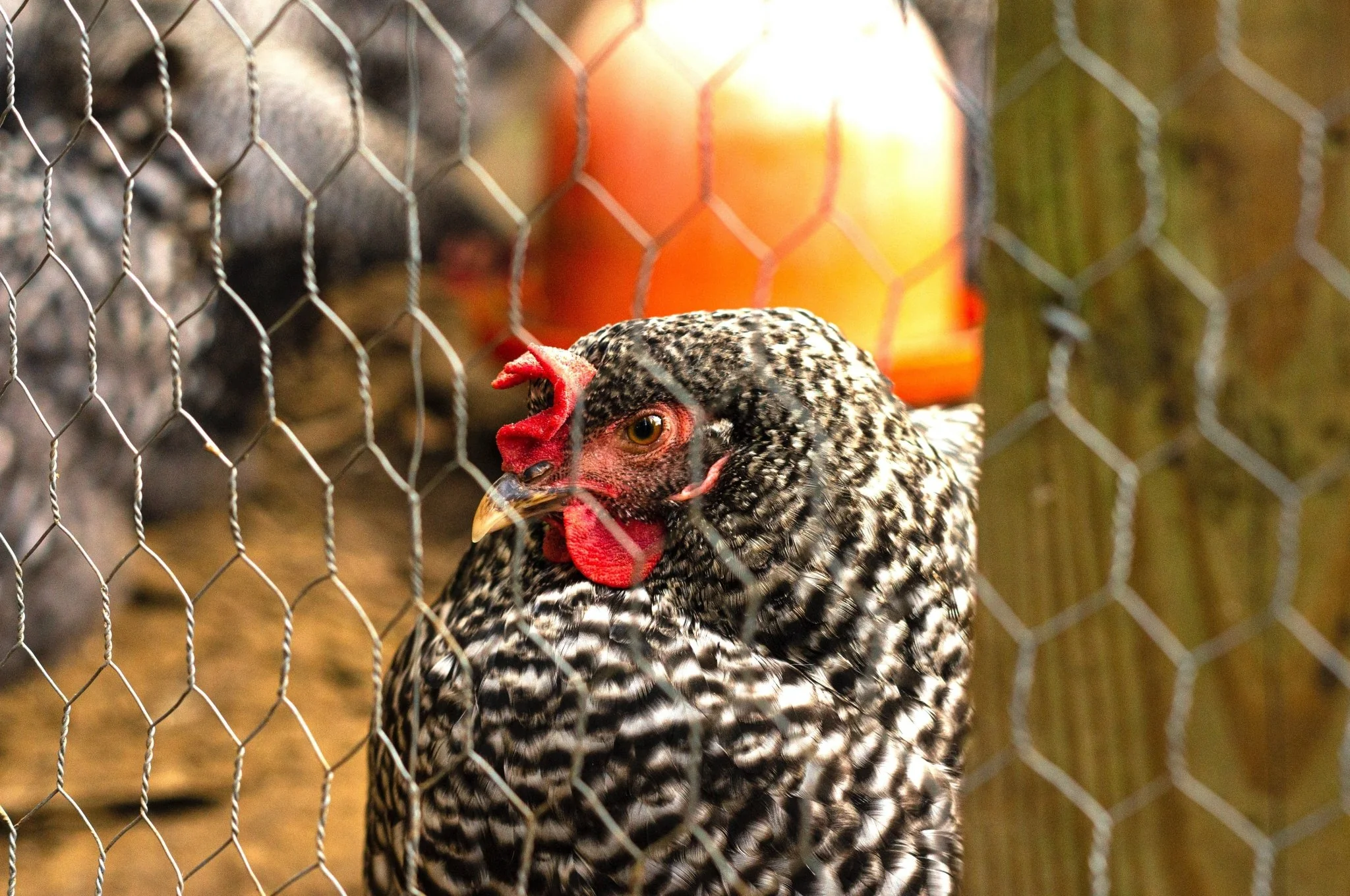
Chicken wire is a lightweight wire mesh commonly used for fencing, gardening, and animal enclosures. It is made from thin galvanized steel wire woven into a hexagonal pattern. The unique shape gives the mesh flexibility while still providing enough strength for many outdoor and indoor applications.
Originally designed to keep chickens and other poultry inside fenced areas, chicken wire is now widely used in gardening, crafts, home improvement, and construction projects.
Common Uses of Chicken Wire
Poultry Fencing
The most popular use of chicken wire is creating safe enclosures for chickens, ducks, and small animals. It helps protect animals from wandering while allowing airflow and visibility.
Garden Protection
Gardeners often use chicken wire to protect vegetables and plants from rabbits, birds, and other pests. It can be wrapped around garden beds or used to build protective cages around plants.
Compost Support
Chicken wire works well for creating compost bins. The mesh structure allows air circulation, which helps organic materials decompose more efficiently.
DIY Crafts and Home Decor
Creative homeowners use chicken wire in many decorative projects, including:
- Picture frames
- Wall organizers
- Rustic cabinets
- Decorative lanterns
- Farmhouse-style decor
Construction and Reinforcement
In construction, chicken wire is sometimes used to support plaster or stucco. It provides a surface that helps materials stick properly.
Types of Chicken Wire
Galvanized Chicken Wire
This is the most common type. The galvanized coating helps resist rust and corrosion, making it suitable for outdoor use.
PVC-Coated Chicken Wire
PVC-coated wire includes an additional plastic layer for better durability and weather resistance. It is available in different colors, including green and black.
Stainless Steel Chicken Wire
Stainless steel options offer excellent strength and rust protection. They are more expensive but last longer in harsh environments.
Benefits of Chicken Wire
Affordable
Chicken wire is budget-friendly compared to many other fencing materials.
Easy to Install
The lightweight design makes installation simple for homeowners and DIY users.
Flexible Design
The mesh can be cut and shaped easily to fit different projects.
Good Ventilation
Its open structure allows air and sunlight to pass through freely.
Multipurpose Material
From farming to crafts, chicken wire serves many practical purposes.
How to Choose the Right Chicken Wire
When buying chicken wire, consider the following factors:
Mesh Size
Smaller mesh openings provide better protection against small pests and animals.
Wire Thickness
Thicker wire offers better durability and strength for long-term use.
Coating Type
Choose galvanized or PVC-coated wire for outdoor environments to prevent rust.
Roll Size
Chicken wire comes in different heights and lengths. Measure your project area before purchasing.
Installation Tips
- Wear gloves to avoid cuts from sharp wire edges.
- Use sturdy fence posts for better support.
- Stretch the wire tightly during installation to prevent sagging.
- Secure the mesh using staples, clips, or zip ties.
Maintenance and Care
Chicken wire requires minimal maintenance. Regularly inspect for rust, holes, or loose sections. Replace damaged areas quickly to maintain security and durability.
Chicken Wire vs Hardware Cloth
Although both materials are wire mesh products, hardware cloth is stronger and more durable than chicken wire. Chicken wire is better for lightweight projects, while hardware cloth is ideal for stronger protection against predators and rodents.
Conclusion
Chicken wire is a versatile and affordable material suitable for farming, gardening, home improvement, and creative DIY projects. Its lightweight structure, easy installation, and multiple uses make it a popular choice for homeowners and professionals alike. Whether you need to build a chicken coop, protect your garden, or create decorative crafts, chicken wire offers a practical and cost-effective solution.