
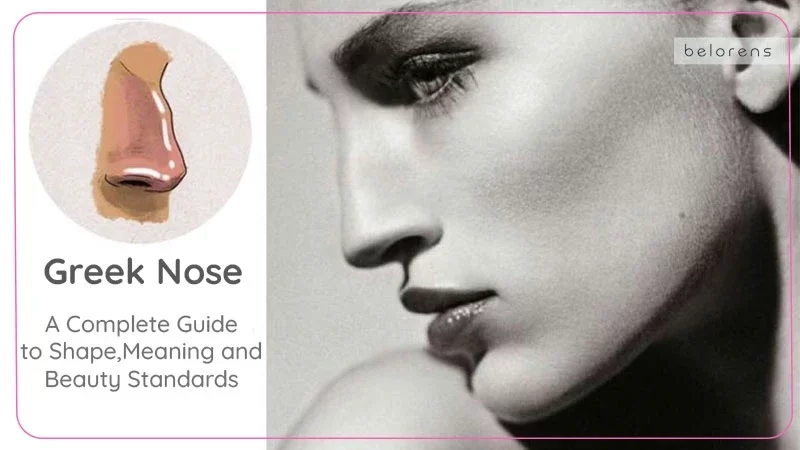
The human nose plays a major role in defining facial appearance, and among the many nose shapes recognized around the world, the Greek nose is often considered one of the most elegant and aesthetically admired. Known for its straight bridge and balanced proportions, this nose shape has long been associated with classical beauty, symmetry, and refinement.
You may have heard the term “Greek nose” in beauty discussions, cosmetic surgery consultations, or even art history classes. But what exactly does it mean? Why is it called a Greek nose, and what makes it so distinctive compared to other nose types?
In this article, we’ll explore everything you need to know about the Greek nose—from its physical characteristics and cultural significance to beauty perceptions and cosmetic considerations. Whether you’re simply curious about facial anatomy or wondering if you have this nose shape yourself, this guide will give you a complete and expert understanding.
What Is a Greek Nose?
A Greek nose is typically defined by its perfectly straight bridge, running from the forehead to the tip without noticeable bumps, curves, or dips. It often appears narrow and well-proportioned, creating a smooth and balanced profile.
One of the most recognizable features of the Greek nose is the uninterrupted line extending from the brow area down to the nasal tip. Unlike hooked or rounded noses, the Greek nose tends to maintain a clean, linear structure. This gives the face a harmonious and sculpted appearance.
The name “Greek nose” comes from ancient Greek sculptures and statues, where many gods, goddesses, and idealized human figures were portrayed with this exact nose shape. Artists of that era considered it a symbol of perfection, balance, and beauty, which helped establish its enduring reputation.
Even today, many people view the Greek nose as a highly desirable facial feature because of its symmetrical and elegant look.
Physical Characteristics of a Greek Nose
Understanding the defining features of a Greek nose can help distinguish it from other nose shapes. While everyone’s facial anatomy is unique, several common traits are generally associated with this classic nose type.
The most prominent characteristic is the straight nasal bridge. There are no visible humps or indentations, making the nose appear smooth from the side profile. This creates a refined and polished aesthetic that many people admire.
Another common feature is a narrow and well-defined shape. Greek noses often have a slimmer appearance compared to broader nose types, contributing to facial balance and elegance. The nostrils may also appear more symmetrical and proportionate.
The tip of the nose is usually subtle and not overly pointed or bulbous. It aligns naturally with the straight bridge, giving the overall structure a soft yet distinguished appearance.
These combined features create a nose shape that often looks naturally harmonious with many facial structures.
Why Is It Called a Greek Nose?
The term “Greek nose” has deep roots in classical art and ancient history. During ancient Greece, sculptors aimed to represent the ideal human form, emphasizing symmetry, proportion, and perfection.
Many famous Greek statues, including depictions of gods such as Apollo and Athena, feature a straight, uninterrupted nasal bridge. This became a defining trait of idealized beauty in classical sculpture.
Artists believed that facial symmetry reflected inner harmony and intelligence, and the straight nose was seen as a sign of nobility and elegance. Over time, this aesthetic became associated specifically with Greek artistic ideals.
As art historians and beauty experts began categorizing facial features, the term “Greek nose” naturally emerged to describe this particular shape.
Today, the name remains popular in both cosmetic and cultural discussions, even though people of many ethnic backgrounds can have a Greek nose.
Greek Nose and Beauty Standards
Beauty standards have changed dramatically throughout history, but the Greek nose has maintained its reputation as one of the most admired nose shapes.
Its appeal largely comes from facial symmetry, which many studies suggest plays a role in how humans perceive attractiveness. A straight nose can create visual balance, making other facial features appear more aligned and proportional.
In modern beauty culture, the Greek nose is often highlighted in fashion photography, modeling, and celebrity aesthetics. Cosmetic surgeons frequently reference this shape when discussing ideal rhinoplasty outcomes with patients.
However, it’s important to remember that beauty is highly subjective. While the Greek nose may fit classical Western beauty ideals, every nose shape carries its own uniqueness and cultural significance.
Many people are learning to appreciate natural diversity in facial features rather than striving for one universal standard.
How to Tell If You Have a Greek Nose
If you’re wondering whether you have a Greek nose, the easiest way to check is by looking at your side profile.
Stand in front of a mirror or take a side-view photo and observe the bridge of your nose. Does it form a straight line from the forehead to the tip? If so, you may have a Greek nose.
Pay attention to whether your nose has visible bumps, curves, or downward hooks. A true Greek nose generally appears smooth and linear without interruptions.
Also consider the width and tip shape. Greek noses are often moderately narrow with subtle, balanced tips rather than overly rounded or sharp ends.
Of course, many noses have mixed characteristics, and facial features rarely fit perfectly into one category. You might have elements of a Greek nose combined with traits from other nose types.
Greek Nose vs Other Common Nose Shapes
Comparing the Greek nose to other nose shapes can help highlight its distinctive features.
A Roman nose, for example, often has a prominent bridge with a slight outward curve or hump. It tends to appear stronger and more dramatic compared to the smoother Greek nose.
A button nose is smaller, often with an upturned tip and softer contours. While charming and youthful, it lacks the straight classical profile of the Greek nose.
A hawk nose features a more pronounced downward curve, creating a sharper and more angular appearance.
A nubian nose is typically longer with a wider base and broader nostrils, reflecting different ethnic characteristics and beauty traditions.
Each nose type contributes differently to facial identity, and none is inherently better than another. The Greek nose simply stands out because of its historical association with symmetry and classical beauty.
Greek Nose in Cosmetic Surgery
The Greek nose is frequently requested as an inspiration in rhinoplasty consultations.
Many patients seeking nose reshaping ask surgeons to create a straighter bridge or smoother side profile similar to the Greek nose. This often involves removing dorsal humps, refining the tip, or adjusting nasal symmetry.
Surgeons, however, emphasize that not every face suits the same nose shape. The goal of successful rhinoplasty is not to copy a specific ideal but to create harmony with the individual’s existing features.
Attempting to force a Greek nose onto a face that naturally requires a different balance can lead to unnatural results.
Modern cosmetic philosophy increasingly focuses on enhancement rather than transformation, helping patients maintain their uniqueness while improving proportions.
Cultural Meaning and Personal Identity
Nose shapes often carry emotional and cultural significance beyond appearance.
For some people, having a Greek nose may feel empowering because of its association with classical elegance and beauty. Others may appreciate it simply as part of their family heritage.
At the same time, it’s essential to avoid placing too much value on any single beauty ideal. Facial diversity is what makes human appearance interesting and meaningful.
Social media and beauty trends can sometimes pressure individuals to compare themselves unfairly, but true confidence comes from appreciating one’s natural features.
Whether your nose is Greek, Roman, button-shaped, or something entirely unique, it contributes to your identity in a way no cosmetic label can fully define.
Final Thoughts on the Greek Nose
The Greek nose remains one of the most recognizable and admired facial features in beauty history. Its straight bridge, balanced proportions, and classical symbolism have made it a lasting icon of elegance.
But while understanding nose shapes can be fascinating, it’s important to remember that beauty is not about fitting into one ideal category. Every face tells its own story, and every feature adds character.
If you have a Greek nose, you may share a trait long associated with symmetry and sophistication. If you don’t, that doesn’t make your features any less beautiful.
In the end, the most attractive quality anyone can have is confidence in their own natural appearance.