
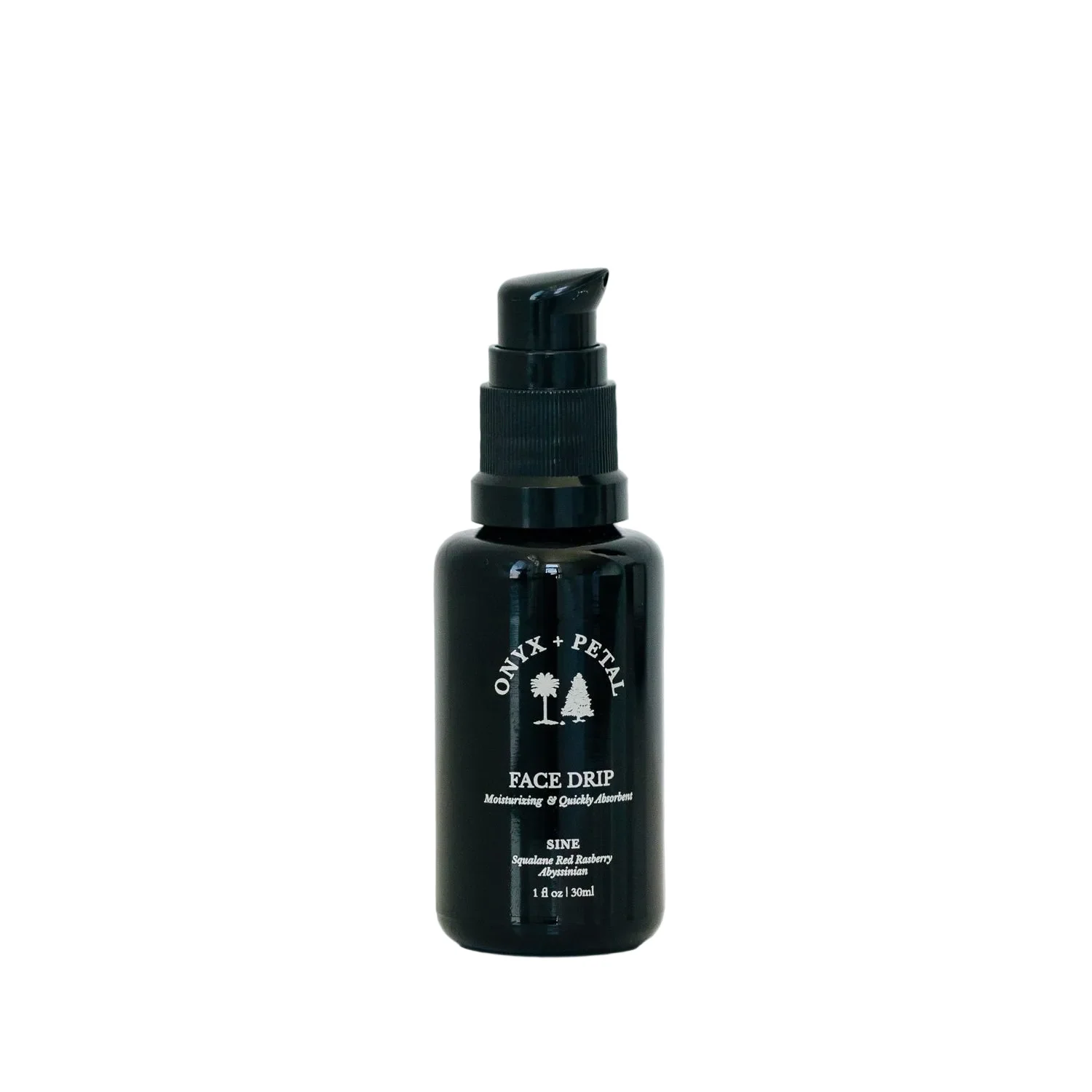
When shopping for skincare, it’s easy to get overwhelmed by labels, ingredients, and unfamiliar terminology. One phrase that has recently sparked curiosity among consumers is “sine meaning” in moisturizer products. At first glance, it might sound technical or even scientific, but many people are left wondering what it actually refers to and whether it has any relevance to their skincare routine.
The truth is, “sine meaning” in the context of moisturizers can be misunderstood or misinterpreted depending on where it appears. Sometimes it may be a typo, a branding phrase, or part of ingredient terminology that consumers are unfamiliar with. Understanding what product labels mean is essential if you want to choose skincare that genuinely benefits your skin rather than relying on marketing buzzwords.
In this article, we’ll break down the possible meanings behind “sine meaning” in moisturizer products, explain how to evaluate moisturizer ingredients like an expert, and help you make smarter skincare choices. Whether you’re a skincare beginner or someone refining an advanced routine, this guide will clarify everything you need to know.
Understanding the Phrase “Sine Meaning” in Moisturizer Products
The phrase “sine meaning” does not refer to a standard skincare ingredient or officially recognized cosmetic term. In many cases, people searching for this phrase may have encountered it due to a typo, translation issue, or confusion surrounding another skincare-related word. This happens often in online product descriptions, especially with international brands or automatically translated packaging.
One possible explanation is that users may be referring to “sans” or “free-from” labeling, such as “silicone-free,” “sulfate-free,” or “fragrance-free,” which can sometimes be mistranslated or abbreviated. In some contexts, “sine” is a Latin-derived word meaning “without,” and this could explain why it appears on certain moisturizer labels or product descriptions.
Another possibility is that people are confusing “sine” with a scientific or chemical term. Moisturizer formulations often include complicated ingredient names, and it’s common for consumers to misread or misunderstand them. This highlights the importance of reading skincare labels carefully and understanding what each ingredient actually does rather than relying solely on unfamiliar terminology.
Why Understanding Moisturizer Labels Is Important
Moisturizer labels are designed to communicate what a product offers, but they can also be filled with marketing language that sounds impressive without providing meaningful information. Learning how to decode these labels allows consumers to make informed decisions based on their skin type and specific skincare concerns.
For example, phrases like “deep hydration,” “barrier repair,” and “dermatologist tested” can sound reassuring, but they don’t always tell you what ingredients are responsible for those benefits. Looking beyond the front label and checking the ingredient list is often the best way to determine whether a moisturizer will actually work for your needs.
Understanding ingredient terminology can also help you avoid irritants or allergens. If you have sensitive skin, knowing how to identify fragrance compounds, alcohols, or essential oils can prevent unnecessary irritation. Expert skincare choices begin with label literacy, and that means understanding both familiar and unfamiliar terms.
Common Moisturizer Ingredients You Should Know
Rather than focusing solely on unclear terms like “sine meaning,” it’s more useful to understand the ingredients that truly impact moisturizer performance. Most effective moisturizers contain a combination of humectants, emollients, and occlusives that work together to hydrate and protect the skin.
Humectants such as hyaluronic acid, glycerin, and aloe vera attract water into the skin, helping it stay plump and hydrated. These ingredients are especially beneficial for dehydrated skin and are commonly found in lightweight gel moisturizers and hydrating creams.
Emollients like ceramides, squalane, and fatty acids help soften and smooth the skin by repairing the skin barrier. These are ideal for dry or damaged skin types that need extra nourishment and protection from environmental stressors.
Occlusives such as petrolatum, shea butter, and dimethicone create a protective layer on the skin to prevent moisture loss. They are especially helpful during colder months or for individuals with extremely dry skin, though some people prefer lighter alternatives depending on their skin type.
Could “Sine” Mean “Without” in Skincare Products?
One of the most likely interpretations of “sine meaning” is its Latin definition: “without.” In Latin, “sine” literally translates to “without,” and this could be used stylistically in product naming or branding to suggest purity or simplicity.
For example, a moisturizer marketed with “sine parabens” could theoretically mean “without parabens.” Similarly, brands focused on clean beauty may use Latin-inspired language to communicate that their products are free from certain additives, preservatives, or synthetic ingredients.
This type of branding can be appealing to consumers seeking minimalist or natural skincare. However, it’s important to remember that “free-from” claims do not automatically make a product better. Some synthetic ingredients are highly effective and safe, while some natural ingredients can still cause irritation. The key is understanding the purpose and compatibility of each ingredient with your skin.
How to Choose the Right Moisturizer for Your Skin Type
Selecting the right moisturizer is far more important than deciphering a single unclear phrase. Your skin type should guide your product choices, as different formulations are designed to address different needs.
If you have oily or acne-prone skin, look for lightweight, non-comedogenic moisturizers with ingredients like niacinamide or gel-based hyaluronic acid. These formulas provide hydration without clogging pores or leaving a greasy residue.
For dry skin, richer creams containing ceramides, shea butter, and squalane can help restore the skin barrier and lock in moisture. These ingredients provide long-lasting comfort and protection, especially during harsh weather conditions.
Sensitive skin benefits from simple formulas with minimal fragrance and soothing ingredients such as oat extract, panthenol, or centella asiatica. Avoid products with strong active ingredients unless they are specifically recommended by a dermatologist.
Combination skin often requires balance. A lightweight lotion with both hydrating and barrier-supporting ingredients can help maintain moisture without overwhelming oil-prone areas.
Expert Tips for Reading Moisturizer Product Labels
One of the best skincare habits you can develop is learning how to read ingredient labels confidently. Ingredients are listed in descending order of concentration, meaning the first few ingredients typically make up the bulk of the product.
Pay close attention to active ingredients and where they appear on the list. If a product claims to contain hyaluronic acid or ceramides, but those ingredients are listed near the bottom, their concentration may be too low to provide significant benefits.
Be cautious of vague marketing claims such as “natural,” “clean,” or “chemical-free.” These terms are often unregulated and may not reflect the product’s actual effectiveness or safety. Focus instead on evidence-based ingredients and transparent labeling.
Patch testing is another expert-recommended step before introducing any new moisturizer into your routine. Even well-formulated products can cause unexpected reactions, especially if your skin is sensitive or compromised.
Final Thoughts on “Sine Meaning” in Moisturizer Products
While “sine meaning” is not a recognized skincare term, it may refer to a translation of “without” or simply be a misunderstood phrase appearing on product labels or online searches. Rather than getting caught up in confusing terminology, the most effective approach is to understand moisturizer ingredients and how they support your skin’s health.
Modern skincare can feel complicated, but choosing the right moisturizer doesn’t have to be. By focusing on proven ingredients, reading labels carefully, and selecting products based on your skin type, you can build a routine that truly works for you.
In the end, skincare expertise is less about memorizing unfamiliar words and more about understanding what your skin needs. The next time you encounter a puzzling term on a moisturizer label, you’ll be better equipped to interpret it—and make a smarter, more confident skincare decision.